
Planting
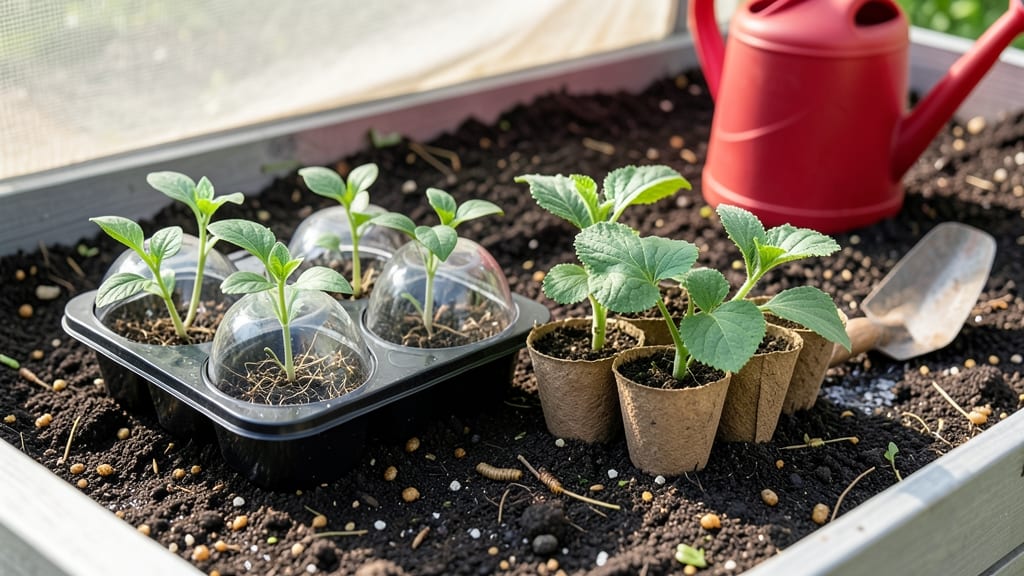
Planting late summer harvest vegetables in July is your ticket to a fast, flavorful bounty before the first frost—even in small spaces.
Picture this: warm soil, quick-growing greens and beans popping up in weeks, and a kitchen stocked with homegrown produce just as summer fades.
July is the sweet spot for crops like radishes, bush beans, and leafy greens that mature in 30-60 days, turning your balcony or garden into a late-season harvest machine.
But timing matters—too late, and you’ll miss the window for a full harvest. Too early, and seedlings struggle in the heat. The key is planting 4-6 weeks before your first frost (that’s September-October for most of the U.S.) and choosing varieties bred for warm soil and short days.
Below, I’ll break down the top 10 fastest crops for July, space-saving tricks to maximize yields, and the one mistake that kills small-space gardens every year.

Top 10 fast-growing July vegetables for late summer harvests
July is your golden opportunity to sow fast-maturing vegetables that deliver harvests before fall's chill sets in. With 30-60 day varieties, you can enjoy fresh produce from your garden in just a few weeks—perfect for small spaces and container gardens.
These crops thrive in warm soil and can be planted right up until early August in most climates.
I've curated this list to focus on high-yield varieties that perform exceptionally well when planted in July. From leafy greens to crunchy radishes and protein-rich beans, these selections will give you a continuous harvest through September and October. Many can even tolerate light frosts, extending your growing season.
For space-saving solutions, I recommend using vertical trellises for vining plants and succession planting every 2-3 weeks to maximize your yield. These techniques work beautifully in balcony containers or raised beds, making them ideal for urban gardeners with limited space.
| Variety | Days to Harvest | Sun Needs | Space Needs | Notes |
|---|---|---|---|---|
| Bush Beans (Provider) | 45-55 | Full Sun | 12-18" apart | Dwarf variety, great for containers |
| Radishes (Cherry Belle) | 25-30 | Full Sun | 2" apart | Fastest crop on this list |
| Lettuce (Black Seeded Simpson) | 30-50 | Partial Shade | 6-12" apart | Heat-tolerant variety |
| Swiss Chard (Bright Lights) | 50-60 | Full Sun | 12" apart | Cut-and-come-again harvest |
| Green Onions (Evergreen Hardy White) | 50-60 | Full Sun | 2-3" apart | Regrows after cutting |
| Cucumbers (Bush Champion) | 50-60 | Full Sun | 12-18" apart | Compact, no trellis needed |
| Spinach (Space Hybrid) | 35-40 | Partial Shade | 4-6" apart | Heat-resistant variety |
| Zucchini (Eight Ball) | 45-50 | Full Sun | 24" apart | Compact, high-yielding |
| Basil (Genovese) | 30-45 | Full Sun | 6-12" apart | Great for containers |
| Kale (Lacinato) | 50-60 | Full Sun | 12-18" apart | Sweeter after frost |
My top recommendation for quickest harvests is radishes, which mature in just 25-30 days. They're perfect for interplanting with slower-growing crops like beans or cucumbers. For protein-rich harvests, bush beans are my go-to—they produce abundant pods without requiring trellising.
If you're working with
How to maximize yields in small spaces with succession planting
July planting offers a golden opportunity to extend your harvest into late summer and fall—even in the smallest spaces. By using succession planting, you can create a continuous cycle of fresh produce without sacrificing square footage.
The key is selecting fast-maturing varieties (like bush beans or radishes) and strategically timing your plantings every 2-3 weeks.
Small-space gardeners often overlook vertical gardening, but trellises, hanging baskets, and wall-mounted planters can transform limited areas into high-yield zones. For example, pole beans or cucumbers thrive when trained upward, freeing up ground space for other crops.
Pair this with companion planting to naturally deter pests and boost growth—like planting basil near tomatoes to repel flies.
Sow fast-maturing crops (30-50 days) like bush beans or leaf lettuce in batches. This ensures a steady harvest and prevents overcrowding.
Train vining plants (e.g., cucumbers, peas) on trellises or walls. This saves ground space and improves air circulation, reducing disease risk.
Pair tomatoes with basil or marigolds to deter pests. Avoid planting onions near beans—they stunt growth.
Sow radishes (25 days) alongside carrots (70 days). Radishes mature first, leaving room for carrots to grow without competition.
Pick leafy greens and herbs frequently to encourage new growth. This prevents bolting and maximizes your yield in tight spaces.
Don’t forget to mulch your beds to retain moisture and suppress weeds—critical in small spaces where every inch counts. For containers, choose compact varieties like patio tomatoes or bush cucumbers, and ensure they get at least 6 hours of sun daily.
A simple drip irrigation system can automate watering, saving you time and ensuring consistent moisture.
By combining these strategies, you’ll turn even a 4x4-foot balcony into a productive garden. Start with one technique—like succession planting—and gradually add vertical elements or companion pairings. Before you know it, you’ll be harvesting homegrown greens and herbs well into October! 🌱