
Picking
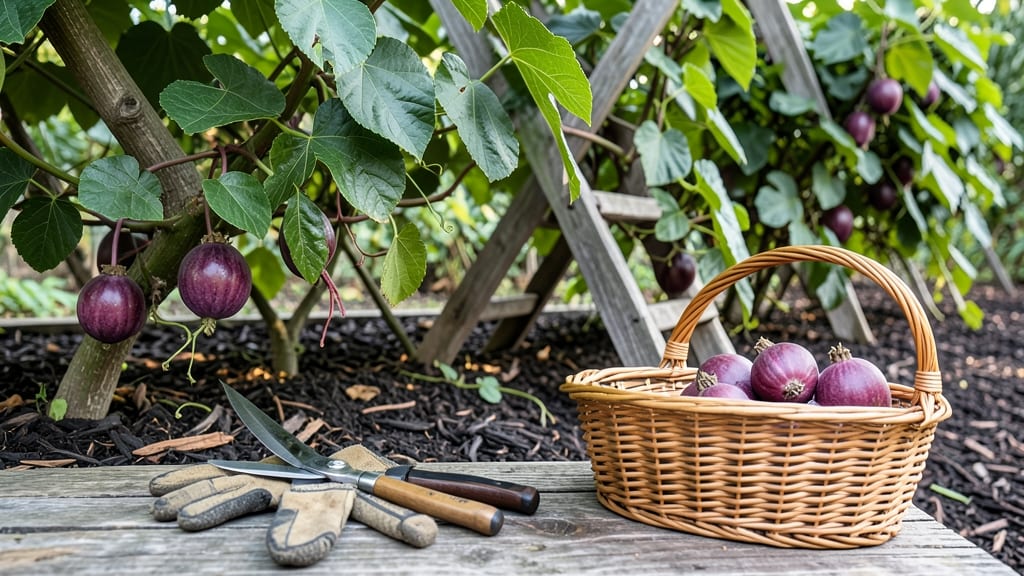
Harvesting passionfruit at the right time means waiting for that perfect moment when the fruit shifts from green to deep purple or golden yellow 🍈 — a shift that can mean the difference between a sweet, juicy treat and a bland, underripe disappointment.
If you’ve ever wondered why some passionfruit pods ripen while others stay hard and tasteless, the answer lies in two simple clues: color and the stem snap test. Mastering these signs ensures you harvest at peak sweetness—just in time for juicy, flavorful passionfruit smoothies or desserts.
In tropical and subtropical regions like USDA zones 10-12, passionfruit typically ripens 6-8 months after planting, but the exact timing depends on your variety and local climate. Too early, and you’ll miss the flavor; too late, and the fruit turns mealy. Here’s how to nail it every time.
You’ll learn the exact color cues to watch for, how to perform the 3-second stem snap test, and why some fruit ripens faster in full sun than in the shade. No more guesswork—just perfect, ready-to-eat passionfruit whenever you’re craving it.

When passionfruit turns ready: the exact pod color shift guide
Passionfruit pods undergo a dramatic color transformation as they ripen, making this the most reliable way to determine harvest time. Unlike many fruits, passionfruit don't soften significantly—they rely on visual cues and a slight texture change.
I've watched my purple passionfruit shift from bright green to deep violet over just 2-3 weeks, while yellow varieties turn from pale green to golden-orange. This shift isn't just about aesthetics—it signals peak flavor and sweetness.
The ripening process accelerates dramatically when passionfruit receive full sun exposure (6+ hours daily). In my USDA Zone 11 garden, pods ripen in 3-4 weeks during summer months, but this slows to 6-8 weeks in cooler fall conditions.
The key is watching for these color progression stages, which I'll break down in detail below to help you avoid harvesting too early or too late.
| Ripeness Stage | Purple Variety Color | Yellow Variety Color | Texture | Harvest Ready? |
|---|---|---|---|---|
| Unripe | Bright green | Pale green | Very firm | No |
| Early Ripening | Green with purple blush | Light yellow-green | Slightly yielding | No (wait 1-2 weeks) |
| Perfectly Ripe | Deep purple | Golden-orange | Slightly soft when pressed | Yes! |
| Overripe | Dull purple | Brownish-yellow | Very soft/mushy | No (fermented flavor) |
For purple passionfruit varieties like 'Panama Red', the transition from green to deep purple is your primary indicator. I've found that 70-80% color change means the fruit is nearly ready—just wait 1-2 more days for full ripeness.
The yellow varieties, such as 'Golden Passionfruit', follow a similar pattern but with warmer hues. These fruits often ripen slightly faster in high-humidity climates, so check them daily during peak growing months.
Sunlight plays a crucial role in this color shift. My passionfruit vines that receive morning sun (8 AM-12 PM) ripen more evenly than those in afternoon shade. The intense midday rays accelerate the chlorophyll breakdown that reveals the fruit's true color.
In my experience, vines with partial afternoon shade may take 10-14 extra days to reach full color compared to fully sun-exposed plants.
Regional variations create noticeable differences in ripening patterns. In tropical zones (like Hawaii or Florida), passionfruit ripen year-round with consistent color shifts every 3-4 weeks. However, in subtropical areas (like Southern California), you'll see seasonal ripening waves—heavy production in summer with sparse harvests in winter.
The color intensity also varies: tropical-grown fruits often develop brighter, more vibrant hues compared to their cooler-climate counterparts.
One common mistake I see is harvesting based solely on size rather than color. A passionfruit can reach full size while still unripe inside—the color change is your most reliable indicator.
For example, I once picked a purple passionfruit that was fully grown but still green inside because it hadn't received enough direct sunlight. The lesson? Always check the pod color before assuming ripeness based on size alone.
Temperature affects the speed of color change dramatically. During heatwaves above 95°F, my passionfruit pods ripen in just 10-12 days from early ripening stage to perfect ripeness. In contrast, during cooler spring months (60-70°F), the process stretches to 3-4 weeks.
This is why I always monitor both color progression and weather patterns when planning my harvest schedule.
The final color stage before overripeness is subtle but important. Perfectly ripe passionfruit have vibrant, glossy skins, while overripe ones develop a dull, matte finish.
I've learned to harvest when the pod has maximum color intensity—this usually means picking in the morning after a cool night, when the flavors are at their peak. Evening harvests often yield slightly less sweet fruit due to daytime heat accumulation.
Pro tip: Use a small flashlight to check the pod's interior color if you're unsure. Shine it through the skin—ripe passionfruit will show deep internal coloration matching their exterior, while unripe ones remain pale green inside. This trick has saved me from harvesting underripe fruit
The stem snap test: how to test passionfruit ripeness in 3 seconds
Harvesting passionfruit at the perfect moment means the difference between a juicy, flavorful treat and a sour, underripe disappointment. While color changes give you clues, the stem snap test is the fastest way to confirm ripeness—right from your garden.
This simple trick takes just 3 seconds and works for both purple and yellow varieties.
Grab a passionfruit pod and gently twist it near the stem. If it separates cleanly with a dry, crisp snap, you’ve hit the sweet spot. But listen closely—the sound matters just as much as the action.
A dull thud or wet squelch means the fruit is overripe or rotting inside. Mastering this test ensures you never miss peak harvest time again.
⚠️ WARNING: Overripe Passionfruit Traps ⚠️
- Harvesting too early: A green or half-colored pod won’t snap—it’ll just tear or bend.
- Ignoring the stem: Twist at the base, not the middle. The stem attachment is your ripeness gauge.
- Overripe fruit: If the pod detaches too easily (no snap), it’s fermenting inside—toss it.
Here’s how to perform the test like a pro: Hold the passionfruit firmly in one hand and use your thumb and forefinger to grip the stem about ½ inch from the fruit.
Give it a quick twist—not a pull. A ripe passionfruit will separate instantly with that satisfying crisp snap. If it doesn’t, wait 1-2 days and test again.
Why does this work? As passionfruit ripens, the cell structure near the stem weakens due to natural enzymes breaking down pectin. This creates the clean separation you’re listening for.
Unripe fruit lacks these enzymes, so the stem resists or tears instead of snapping. Think of it as nature’s built-in ripeness alarm.
Timing is everything—especially in hot climates where passionfruit can ripen in as little as 7 days once colored. Check pods every morning during peak harvest season (typically late spring to summer).
If you’re in a cooler subtropical zone, ripening may take 10-14 days, so patience pays off. Store unripe pods at room temperature to speed up ripening.
Once you’ve nailed the snap test, you’ll never second-guess your harvest again. The key is consistency: test the same way every time, and your passionfruit will thank you with bursting sweetness and aromatic seeds.
Pro growers even use this method to predict ripening cycles across their vines—so why not join them? Your future smoothies will taste like summer in a glass. 🍈