
Vegetables
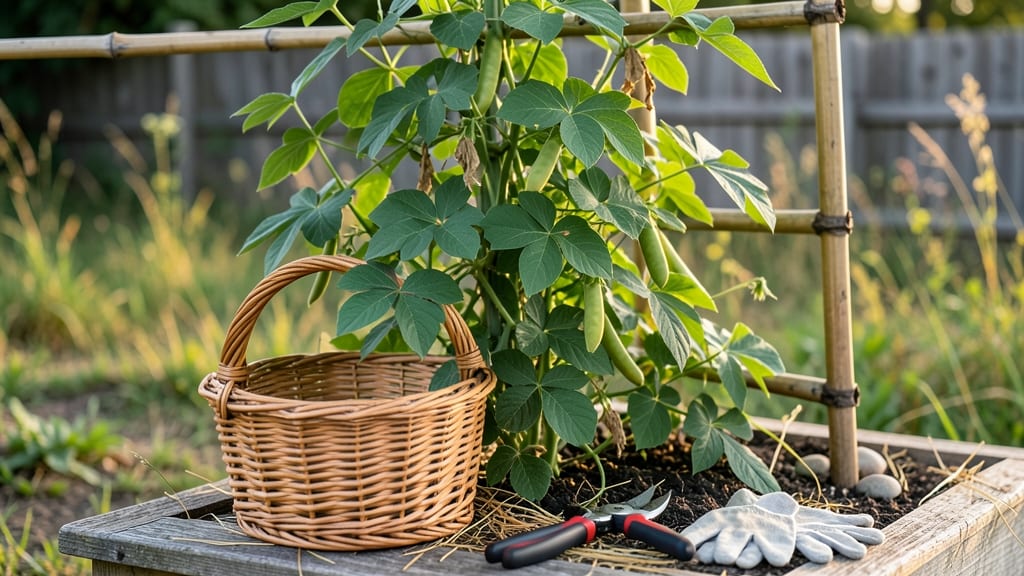
Timing the pea harvest right ensures your pods are sweet, tender, and packed with flavor—never tough or mealy.
Picture this: you’ve been waiting weeks for those first bright green pods to appear, only to snap them open and find the peas already overgrown and starchy. That’s the difference between a peak harvest and wasted effort.
The secret lies in knowing when those pods are just right—before the seeds swell too much but after they’ve had time to sweeten.
In Zone 6a, spring-planted peas typically reach harvest time between April and May, while fall varieties are ready in September or October. But the calendar isn’t the whole story—variety, temperature, and even soil moisture play a role.
A 1-inch pod with tiny, barely visible peas inside is the goldilocks zone: firm, crisp, and bursting with flavor.
Below, I’ll walk you through the exact signs to watch for, how to adjust for your climate, and the one mistake that turns perfect peas into rubbery disappointment. Ready to turn your garden into a sugar snap factory?

How to identify perfectly ripe pea pods (visual & touch guide)
Peas are one of the first garden rewards of spring, but their harvest window is narrow. Miss it, and you’ll end up with tough, mealy pods or shattering plants. The key? Learning to read three visual and tactile cues—color, size, and texture—that signal peak ripeness.
I’ve harvested hundreds of pounds of peas over the years, and these tricks have saved me from bitter disappointments.
First, let’s talk about the most critical mistake gardeners make: waiting too long. Overripe peas lose their sweetness and become fibrous, while underripe ones taste bland and watery.
The ideal pea harvest time is when pods are plump, bright green, and firm—but the exact moment varies by variety and climate. Sugar snap peas, for example, need to be picked younger than shelling peas, while snow peas should be harvested before the seeds swell.
Climate plays a huge role in timing. In cooler regions like the Pacific Northwest, peas mature 2-3 weeks slower than in warmer zones like California. A late spring frost can delay harvest by 10-14 days, while a heatwave can speed up ripening.
Always check your local frost dates and adjust your harvesting schedule accordingly.
Here’s the visual and touch guide I rely on every season, broken down by pea type:
| Pea Type | Size Cue | Color Cue | Texture Cue | Harvest Time |
|---|---|---|---|---|
| Sugar Snap Peas | 1–2 inches long | Bright green, glossy | Firm, snaps when bent | 55–65 days after planting |
| Snow Peas | 2–3 inches long | Bright green, slightly waxy | Flat, crisp, no bulge | 60–70 days after planting |
| Shelling Peas | 2–2.5 inches long | Deep green, matte | Firm, seeds visible but small | 65–75 days after planting |
🌱 Pro Tip: Harvest in the morning for the sweetest flavor and crispest texture.
For sugar snap peas, focus on pods that are 1–2 inches long and bright green with a slight gloss. If you see any yellowing or wrinkling, it’s past its prime.
The texture test is non-negotiable: a ripe pod should snap cleanly when you bend it. If it bends without snapping, it’s overripe.
With snow peas, aim for pods that are flat and crisp, not rounded or bulging. These peas should be 2–3 inches long and bright green—never pale or yellow.
The key difference? Snow peas are harvested before the seeds swell, so if you see any plumpness inside, you’ve missed the window.
Shelling peas are the most forgiving but still require attention. Look for pods that are 2–2.5 inches long with a deep green, matte finish. The seeds inside should be visible but small—if they’re filling the pod, the peas will be tough and starchy. I like to gently squeeze the pod to check firmness; it should resist slightly but not feel hard.
Climate affects ripeness timing more than you might think. In hotter climates, peas can mature 10–14 days faster than in cooler zones. For example, in Zone 9 or 10, I start harvesting sugar snaps in late February, while in Zone 5, I wait until mid-May.
Always monitor your plants and adjust your schedule based on weather patterns rather than a rigid calendar.
One common mistake I see is harvesting based on plant age alone. While peas typically mature in 55–75 days, extreme weather can throw off this timeline.
For instance, a cold snap in May might delay ripening by 2 weeks, while a heatwave in June can speed it up. Always check the pods visually and tactilely before harvesting.
To extend your pea harvest time, pick consistently—every 2–3 days—to encourage more pod production. Overripe pods left on the vine will shatter and drop seeds, ending your harvest early.
And if you’re growing multiple varieties, like sugar snaps and shelling peas, harvest them separately to avoid confusion.
Pea harvest time by variety: when to pick for maximum flavor
Timing your pea harvest is everything—pick too early, and you lose sweetness; too late, and the pods turn tough and bitter. Each variety has its own ideal harvest window, and knowing these days-to-maturity benchmarks ensures you enjoy peas at their peak.
I’ve grown 'Sugar Ann' for years, and harvesting at the right moment transforms a decent crop into a flavor explosion.
Your climate plays a role too. Cooler regions like USDA Zone 5 may need to harvest 2-3 weeks earlier than warmer zones like Zone 8. For example, my 'Oregon Sugar Pod' peas mature faster in my Zone 6 garden than they would in a hotter climate.
Always check your local frost dates—spring peas need to be harvested before the first frost, while fall-planted varieties should be picked before hard frosts set in.
| Variety | Days to Maturity | Harvest Window | Pod Size at Peak | Climate Notes |
|---|---|---|---|---|
| 'Sugar Ann' (Sugar Snap) | 55-65 days | Late May-June (spring) or Sept-Oct (fall) | 1.5-2 inches, crisp | Thrives in cool weather; avoid heatwaves |
| 'Oregon Sugar Pod' (Shelling) | 60-70 days | June-July (spring) or Oct (fall) | 2 inches, firm pods | Heat-tolerant; extend harvest with shade cloth |
| 'Snowbird' (Snow Pea) | 50-60 days | Early May-June or Aug-Sept | 1-1.5 inches, flat pods | Early bloomer; harvest before pods thicken |
| 'Tom Thumb' (Dwarf) | 55-60 days | Late April-May or Sept-Oct | 1.5 inches, compact | Perfect for containers; harvest early |
For early-season harvesting, focus on varieties like 'Snowbird' or 'Tom Thumb', which mature faster and let you enjoy peas sooner.
I always plant these first in my garden because they give me a head start on the harvest season. Late-season varieties, like 'Oregon Sugar Pod', reward patience with a longer harvest window but need consistent moisture to avoid tough pods.
Pro tip: Use a harvest schedule to track maturity dates. Start checking pods 5 days before the estimated harvest window—this gives you flexibility if weather delays ripening. For example, if 'Sugar Ann' is ready in 60 days but rain keeps pods damp, wait an extra 2-3 days to ensure sweetness.
Overripe peas lose flavor fast, so don’t let them linger on the vine.
Extend your harvest by planting successive crops every 2 weeks in spring or 4 weeks before fall frost. This staggered approach ensures a steady supply of fresh peas.
My Zone 6 garden lets me harvest from late May through October with this method—just be sure to pick every 2-3 days to encourage more production. Regular harvesting also prevents pod shattering, a common issue in hot weather.
Remember, the first harvest is just the beginning. The more you pick, the more your pea plants produce. Keep an eye on pod color, size, and texture, and you’ll never miss the sweet spot again. Happy harvesting! 🌱