
Picking
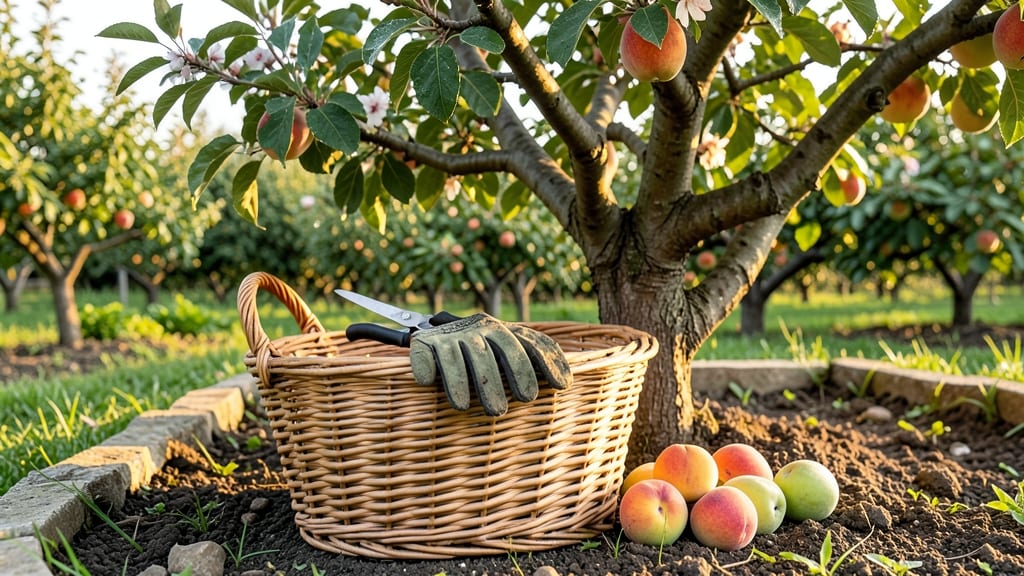
The best time to harvest peaches is when they’re fully colored, slightly soft, and release easily from the tree—usually between mid-July and August in most growing zones.
Nothing beats the taste of a sun-ripened peach plucked straight from the tree at the perfect moment—but knowing when to harvest can mean the difference between sweet perfection and mealy disappointment.
Peaches ripen unevenly, so checking for readiness every few days is key. A gentle thumb press, a twist at the stem, and a sniff for that intoxicating aroma are your best clues.
Below, I’ll break down the exact ripeness stages by variety, regional timing, and common mistakes to avoid—so you never miss peak harvest season.


Peach harvest time: exact ripeness stages by variety and climate
Timing your peach harvest correctly ensures peak flavor and texture—but different varieties and climates demand unique attention. The Elberta peach, a freestone favorite, ripens earlier than the Redhaven, while J.H. Hale varieties thrive in cooler zones.
Even within the same tree, fruit can mature at different rates, making visual and tactile checks essential. Understanding these ripeness cues by variety and your USDA hardiness zone prevents wasted effort and maximizes your harvest.
Climate plays a surprising role in peach ripeness. In Zone 7 or warmer, peaches may ripen by early July, while growers in Zone 5 or cooler might not see harvest until mid-August. Heatwaves can accelerate ripening, while cool springs delay it.
The key is balancing color changes, fruit firmness, and aroma intensity—not just calendar dates. Let’s break down the exact signals for popular varieties and how your local climate impacts timing.
| Variety | Type | Color at Ripeness | Firmness Test | Climate Zone | Harvest Window |
|---|---|---|---|---|---|
| Elberta | Freestone | Yellow with red blush | Yields slightly to thumb | Zones 5-9 | Late June–July |
| Redhaven | Freestone | Red-orange | Gives under gentle pressure | Zones 6-9 | Mid-July–August |
| J.H. Hale | Clingstone | Yellow | Softens near stem | Zones 4-8 | Late July–early August |
| Suncrest | Freestone | Yellow with red blush | Skin dimples slightly | Zones 5-9 | Early July–mid-July |
| Contender | Clingstone | Red-orange | Separates easily | Zones 6-9 | Mid-August |
Freestone varieties like Elberta and Redhaven are prized for their easy pit removal, but their ripeness cues differ. Elberta peaches develop a yellow-orange hue with a faint red blush, while Redhaven turns a deeper red-orange. Both should yield slightly when pressed near the stem—imagine pressing a ripe avocado.
Clingstone types like J.H. Hale ripen later and often feature a yellow skin with minimal blush. Their flesh clings tightly to the pit, making them ideal for canning.
Climate significantly alters harvest timing. In Zone 9 or warmer, peaches may ripen as early as late June, while Zone 5 growers often wait until mid-August. Heatwaves can force early ripening, but cool springs delay maturation.
Pay attention to local frost dates: harvest before the first expected frost to avoid damage. For example, California’s San Joaquin Valley sees harvests in June-July, while New York’s Finger Lakes region waits until August. Always check 7-10 days before your expected harvest window for final ripeness cues.
Don’t rely solely on color—aroma is critical. A ripe peach emits a sweet, floral scent near the stem. If your peach smells bland or sour, it’s not ready. Combine scent with the thumb press test: press gently near the stem.
If the skin dimples slightly but doesn’t bruise, it’s perfect. Overripe peaches will feel mushy and may already be splitting. For clingstone varieties, the fruit should separate cleanly from the branch with a slight twist—no force needed.
Regional microclimates add another layer of complexity. Coastal areas with high humidity may see slower ripening, while inland zones with dry heat accelerate maturation. For instance, Georgia’s peach belts (Zones 7-8) harvest 2-3 weeks earlier than Michigan’s cooler climates (Zones 5-6).
If you’re in a transitional zone, like Zone 6, monitor fruit weekly and be ready to harvest in late July. Pro tip: Use a harvest calendar based on your last frost date and variety maturity timeline.
Mistakes like picking too early or too late can ruin your harvest. Underripe peaches taste bland and mealy, while overripe ones spoil quickly. Watch for cracked skin or fermented odors, signs of overripeness. If your peach doesn’t separate easily from the
How to test peach ripeness: 3 non-negotiable methods beyond color
While color gives a rough estimate, relying on it alone can lead to underripe or overripe peaches. Instead, combine these three science-backed tests to pinpoint the perfect harvest moment. These methods account for variety differences, climate variations, and even tree stress—all factors that affect ripeness.
The secret to peak sweetness lies in understanding how firmness, stem attachment, and aroma change as peaches mature. Skipping these tests risks harvesting fruit that’s either too tart or mealy—both are common mistakes even experienced growers make. Let’s dive into the non-negotiable techniques that guarantee success.
🌱 3 Non-Negotiable Ripeness Tests
-
1. The Thumb Press Test
Gently press the blush side of the peach with your thumb. A ripe peach will yield slightly (like pressing a ripe avocado) but won’t leave an indent. Overripe peaches bruise easily. -
2. The Stem Twist Test
Grasp the peach’s stem end and twist gently. If it detaches cleanly with minimal force, it’s ready. A tight attachment means it’s underripe; a broken stem signals overripeness. -
3. The Aroma Sniff Test
Hold the peach near your nose and take a deep sniff. A ripe peach emits a sweet, floral scent. If it smells sour or fermented, it’s past its prime. No scent? It’s not ready yet.
Pro Tip: Combine all three tests for 100% accuracy—especially for freestone varieties like Elberta.
For clingstone varieties (e.g., Redhaven), the thumb press should feel firm but yielding—like a ripe nectarine. Avoid pressing too hard, as this can damage the fruit’s skin integrity and accelerate spoilage. If you’re harvesting for long-term storage, aim for slightly firmer peaches to prevent bruising during transport.
One of the biggest mistakes growers make is harvesting based on calendar dates rather than ripeness tests. Peaches ripen 1-2 weeks earlier in warm climates (like California) compared to cooler regions (like the Midwest).
Even within the same tree, sun-exposed fruit ripens first, while shaded peaches lag behind. Always test individual peaches—don’t assume the whole batch is ready.
If you’re still unsure, cut open a test peach to check the seed pit. A ripe peach will have a fully brown, well-formed pit with a soft but firm flesh surrounding it. If the pit is green or white, the fruit needs more time on the tree.
This final check is especially useful for late-season varieties like J.H. Hale, which often confuse growers with their delayed ripening.
Once you’ve mastered these tests, you’ll never second-guess your peach harvest again. The key is patience—waiting for the perfect moment ensures maximum flavor and texture, making every bite worth the wait. Happy harvesting! 🍑