
Vegetables
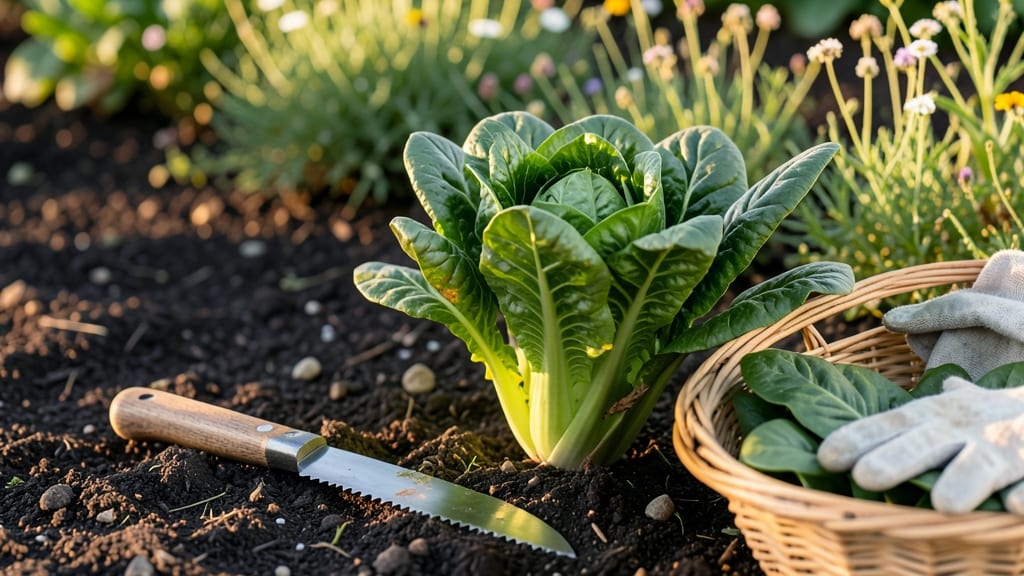
Harvesting romaine lettuce at the right time turns your garden into a crisp, flavorful salad source 🥬 — and missing that window means tough, bitter leaves that ruin your meal.
If you’ve ever bitten into romaine that’s woody or past its prime, you know timing is everything. The key is cutting when the plant hits 10-12 inches tall, with tightly packed, deep green leaves that snap crisply when bent.
This guide breaks down the ideal harvest window, how to spot ready-to-pick lettuce, and the simple cutting technique that keeps your plants producing for weeks. No more guesswork — just perfect salads, straight from your garden.
You’ll also discover how to avoid common mistakes like harvesting too late (bitter taste) or too early (small, sparse leaves), plus how to encourage regrowth for a steady supply all season.

When to harvest romaine lettuce for optimal flavor and texture
Timing your romaine lettuce harvest correctly ensures crisp, flavorful leaves instead of bitter or woody textures. The key is watching for height and maturity—aim for plants that reach 10-12 inches tall with tightly packed, dark green leaves.
Harvesting too early means small leaves, while waiting too long risks bolting (flowering) or tough stems.
Romaine thrives in cool seasons, making spring and fall the ideal harvest windows. In my Zone 6a garden, I plant seeds in early spring (March-April) and late summer (August-September) to align harvests with May-June and October-November.
This timing avoids summer heat, which triggers bolting and ruins tender leaves.
Here’s the harvest checklist I follow to guarantee perfect romaine:
For year-round harvests, I use shade cloth in summer to keep temperatures below 80°F, which prevents bolting. In my experience, romaine left in direct afternoon sun develops a bitter taste due to stress. Instead, I position plants near dappled shade from taller crops like corn or tomatoes.
One common mistake is harvesting the entire head at once. Instead, I snip outer leaves first, leaving the inner core to regrow. This method extends the harvest window by 2-3 weeks and keeps the plant productive.
Use clean, sharp pruning shears to avoid crushing stems, which leads to rot.
Watch the leaf color closely—deep green indicates peak flavor, while yellowing or brown edges signal nutrient deficiencies or over-maturity. I fertilize lightly with a 5-10-10 blend every 4-6 weeks to maintain vibrant growth. Avoid over-fertilizing, as excess nitrogen causes rapid bolting.
If your romaine starts to bolt (sends up a tall flower stalk), it’s past its prime. This happens when days get longer or temperatures rise above 75°F.
To delay bolting, I mulch with straw or grass clippings to keep roots cool and water deeply in the morning to reduce stress.
For container growers, harvest timing is similar, but monitor soil moisture more closely. Containers dry out faster, so I water every 1-2 days in summer. The same 10-12 inch height rule applies—just ensure your pot has drainage holes to prevent root rot.
Pro tip: Store freshly harvested romaine in the crispest drawer of your fridge (95-100°F humidity) to maintain texture for up to 10 days. For long-term storage, wrap leaves in a damp paper towel and place in a sealed bag—this keeps them crisp longer than plastic containers.
How to cut romaine lettuce without damaging future growth
Harvesting romaine lettuce the right way ensures crisp, flavorful leaves while encouraging regrowth for multiple harvests. The key is timing and technique—cutting at the right height and using the proper tools prevents bitterness and stunted growth.
Whether you're harvesting individual leaves or the whole head, these steps will keep your romaine thriving.
Romaine lettuce reaches harvest maturity at 10-12 inches tall, but you can start picking outer leaves as early as 6-8 inches for baby lettuce. This method, called cut-and-come-again harvesting, allows the plant to regrow, giving you 3-4 harvests per season.
Always use clean, sharp pruning shears or your fingers to avoid tearing leaves.
⚠️ callout warning ⚠️
- Cutting too close to the base—leave 1-2 inches of stem to prevent damage.
- Harvesting in direct sunlight—do it in the early morning for crispness.
- Using dull tools—tearing leaves stresses the plant and invites pests.
For individual leaves, grasp the outer leaves at the base and gently twist or snip them off. This method is ideal for baby lettuce or side salads and encourages the plant to produce more leaves.
If harvesting the entire head, use pruning shears to cut just above the lowest set of leaves, leaving the inner rosette intact for regrowth.
After harvesting, provide your romaine with consistent moisture and partial shade for a few days to recover. Avoid fertilizing immediately—wait 1 week to let the plant adjust. In cool climates (USDA zones 3-7), you can extend harvests into fall by planting succession crops every 2-3 weeks.
Encourage regrowth by thinning seedlings to 12-18 inches apart and mulching with straw or compost to retain moisture. If your romaine starts to bolt (send up a flower stalk), harvest the remaining leaves immediately—they’ll become bitter quickly.
With proper care, your romaine can produce harvestable leaves for 6-8 weeks.
Remember, patience and precision are key. Overharvesting weakens the plant, while gentle, strategic cuts keep it productive. Soon, you’ll have a steady supply of homegrown, crisp romaine for salads and sandwiches all season long! 🥬