
Picking
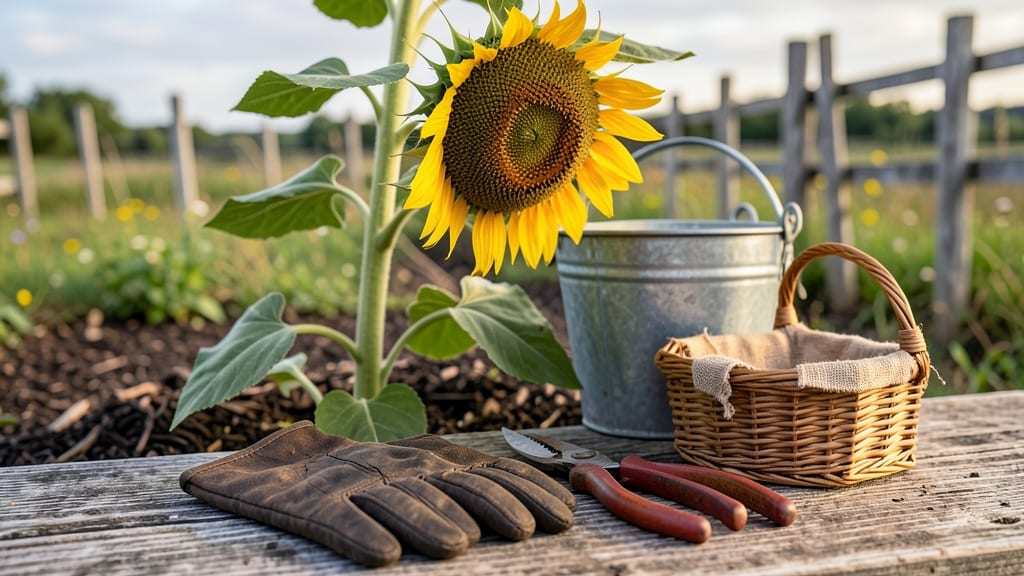
Harvesting sunflowers at the right time ensures seeds packed with oil and flavor—but miss the window, and you’ll lose yield and quality.
Picture this: you’ve spent months nurturing your 🌻 sunflowers, only to watch them bolt into seed too soon or shatter in a storm.
The key is catching them when the back of the petals turns yellow, the seeds feel firm, and the head droops slightly—usually July through September in Zone 6a.
Timing isn’t just about the calendar—humidity, temperature, and even your sunflower variety play a role. Too early, and the seeds stay soft; too late, and birds or weather steal your harvest. I’ll walk you through the exact cues to spot, plus how climate affects your window.
By the end, you’ll know how to harvest for maximum oil content, avoid common pitfalls, and store your seeds for months—no guesswork, just golden sunflower goodness.

How to determine the ideal sunflower harvest time for peak oil content
Timing your sunflower harvest correctly is the secret to maximizing oil content in those golden seeds. Harvest too early, and you’ll get low-yield seeds with minimal oil. Wait too long, and the seeds may turn gray or fall victim to birds and pests.
The perfect window is when your sunflowers show three key maturity signs—petal color, seed development, and head positioning.
I’ve learned from experience that the back of the petals turning yellow and drooping is your first clue. This happens when the flower has fully bloomed and energy shifts from petals to seed production.
Next, check the seed heads—they should feel heavy and dry to the touch, indicating the seeds are fully developed. Finally, the flower head should tilt slightly downward, signaling the plant is ready to release its seeds.
| Maturity Indicator | What to Look For | Action to Take |
|---|---|---|
| Petal Color | Back of petals turn yellow and droop | Check seed readiness within 2-3 days |
| Seed Head Weight | Feels heavy and dry to touch | Harvest before seeds turn gray |
| Head Position | Tips slightly downward | Cut stems for drying |
| Seed Color | Brown and firm (not white or gray) | Test moisture content before harvest |
To confirm seed readiness, I recommend the moisture test. Snap a seed in half—if it’s dry with a white center, it’s perfect for harvesting. If it’s still moist or green, wait 1-2 days before checking again.
This simple test saves you from harvesting seeds that won’t store well or yield much oil.
Regional differences matter too. In warmer climates like USDA Zone 9, sunflowers may mature faster, often by late August. In cooler zones like Zone 5, aim for early September to avoid early frosts.
Always monitor your local frost dates—harvesting before the first frost ensures you don’t lose your entire crop.
One mistake I’ve seen gardeners make is waiting until the petals fall off completely. By then, the seeds may have already started to scatter or spoil. Instead, harvest when 70-80% of petals have dropped, leaving just a few clinging to the head.
This gives you the best balance of seed maturity and oil content.
For oil extraction, timing is critical. Seeds harvested at peak maturity contain the highest oil percentage, often around 30-40% of their weight. If you’re growing sunflowers for culinary oil, prioritize varieties like NuSun or Russian Mammoth, which are bred for high oil content.
Always cut stems with 1-2 feet of stalk attached to make hanging and drying easier.
After harvesting, let the heads dry in a well-ventilated area for 2-3 weeks. This reduces seed moisture to 10% or below, preventing mold and extending storage life. Store dried seeds in airtight containers in a cool, dark place—this preserves their oil quality for up to a year.
Remember, the earlier you harvest, the more flavorful and nutritious your seeds will be. But don’t rush—waiting just a few extra days for full maturity makes all the difference in oil yield and seed quality. With these tips, you’ll never miss the perfect harvest window again! 🌻
Step-by-step guide to harvesting sunflowers without damaging the plant
Once you’ve spotted your sunflowers at peak maturity, the next step is harvesting them carefully to preserve seed quality. The wrong cut or timing can lead to broken stems, lost seeds, or even moldy heads.
I’ve perfected a method that keeps your plants healthy and your harvest intact—whether you’re growing oil-rich varieties or decorative types.
Start by gathering your tools: a sharp pruning shears or clean knife, a bucket with a soft cloth lining, and a permanent marker for labeling varieties. Avoid using dull tools, as they crush stems and invite disease.
Work on dry mornings when dew isn’t present, as wet conditions speed up decay during drying.
How to Harvest Sunflowers in 5 Simple Steps
- 1 Cut stems at a 45° angle about 12 inches below the head. This prevents water from pooling and reduces rot risk.
- 2 Remove all petals by hand or with scissors to focus energy on seed maturation. Leave 1-2 inches of stem attached to the head.
- 3 Hang heads upside-down in a dry, dark, and well-ventilated space (like a garage or shed) using twine. Space them 6 inches apart to avoid mold.
- 4 Dry for 2-4 weeks until seeds rattle when shaken. Test by cracking open a seed—it should be hard and brown inside, not white or moist.
- 5 Store seeds in airtight containers (like glass jars) in a cool, dark place. Label with the variety and harvest date for oil extraction later.
Pro Tip: If birds are a problem, cover heads with netting immediately after harvest.
After drying, you’ll notice the seed heads turn a papery brown. This is your cue that they’re ready for storage. I like to spread them on a tray for a final 24-hour air-out session before sealing them—this prevents condensation buildup, which can cause mold.
For long-term oil extraction, store seeds in the freezer to preserve their nutritional integrity for up to a year.
One common mistake I see is harvesting too early to avoid bird damage. But if you’re patient, wait until the back of the head turns yellow—this signals the seeds are fully developed. Early harvests yield soft, low-oil seeds that won’t store well. Always prioritize maturity over urgency!
For giant sunflower varieties, use a ladder or stool to reach the top heads safely. Never pull or twist the stem, as this can uproot the plant.
If you’re growing sunflowers for cut flowers, harvest when the petals are fully open but before they droop—this extends their vase life by up to a week.
With these steps, you’ll maximize your sunflower harvest while keeping your plants healthy for future seasons. Happy harvesting—your seeds are about to become your most rewarding garden treasure! 🌻