
How To
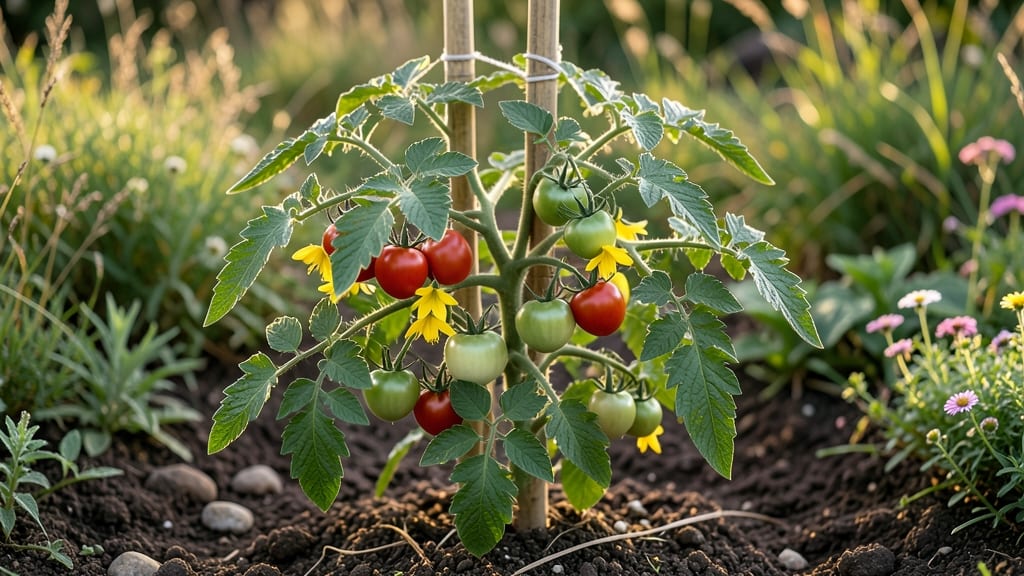
Want to grow tomatoes faster than ever? The time from seed to harvest can vary dramatically—some varieties take just 50 days, while others stretch to 90+. But timing isn’t the only factor. A precise planting calendar, ideal growing conditions, and the right seed choices can cut weeks off your wait.
Here’s the game-changer: fast-growing varieties paired with a zone-specific schedule that accounts for your last frost date. Whether you’re in Zone 6a or a warmer climate, we’ll show you how to shave critical days off your harvest timeline.
Ready to go from seed to ripe tomato in record time? You’ll learn the fastest varieties, exact planting dates, and pro tips to accelerate growth—no guesswork, just results.

Fastest tomato varieties for seed-to-harvest speed (50-70 days)
If you're craving homegrown tomatoes in record time, the right variety can shave weeks off your wait. Some tomatoes mature in just 50-70 days from seed, making them perfect for short seasons or impatient gardeners.
These speedy varieties prioritize quick fruit production over massive yields or complex flavors, delivering early harvests without sacrificing taste.
Not all fast tomatoes are created equal—determinate varieties (bush types) often outpace indeterminate vines in early fruiting, while some indeterminate types like 'Stupice' defy expectations with blazing speed.
The key is matching your climate zone with varieties that thrive in your growing season length, whether you're in a cool northern zone or a hot southern region.
Below, I’ve compared the top 5 fastest tomato varieties, highlighting their days to maturity, flavor profiles, and care secrets to push them past their potential. Each of these can go from seed to salad in under 2 months with the right conditions.
| Variety | Type | Days to Harvest | Yield (lbs/plant) | Flavor Profile | Best For | Speed Hack |
|---|---|---|---|---|---|---|
| 'Stupice' | Indeterminate | 50-55 | 1-2 | Sweet, tangy | Containers, short seasons | Use row covers early |
| 'Tiny Tim' | Determinate | 55-60 | 2-3 | Classic, balanced | Patio gardens | Prune aggressively |
| 'Early Girl' | Indeterminate | 58-65 | 4-6 | Juicy, mild | Salads, slicing | Warm soil faster |
| 'Solar Fire' | Determinate | 60-65 | 3-4 | Sweet, smoky | Hot climates | Mulch heavily |
| 'Patio Princess' | Determinate | 60-65 | 1-2 | Tangy, small | Containers, balconies | Dwarf training |
'Stupice' is the undisputed speed champion, often producing ripe tomatoes in under 55 days—a full month faster than traditional varieties. This Czech heirloom thrives in cool conditions and handles container growing beautifully, making it ideal for northern climates or urban balconies.
Its tangy-sweet flavor pairs perfectly with fresh basil, and the plants stay compact (2-3 feet tall), reducing staking needs.
For determinate types, 'Tiny Tim' and 'Patio Princess' are my top picks. Both mature in 55-65 days and produce cherry-sized tomatoes perfect for snacking. The trick with these is aggressive pruning
Exact planting calendar by USDA Zone: when to start seeds indoors and transplant outdoors
Timing is everything when growing tomatoes from seed to harvest. A precise planting calendar ensures your seedlings mature just as the weather warms, avoiding frost damage while maximizing your growing season.
Whether you're in Zone 3 or Zone 10, understanding your last spring frost and first fall frost dates is the foundation of success. Let’s break down the exact steps to calculate your indoor seed-starting window and outdoor transplant dates.
First, find your USDA Zone and locate your average last frost date (use the USDA Plant Hardiness Zone Map or local agricultural extension service).
For example, in Zone 5, the last frost typically occurs around April 15, while Zone 9 may see frost as late as February 15. These dates dictate when you can safely transplant seedlings outdoors without risking frost damage.
Next, work backward 4-6 weeks from your last frost date to determine when to start seeds indoors.
Check your USDA Zone and find your average last spring frost (e.g., Zone 6: April 1, Zone 8: March 1).
Start seeds indoors 4-6 weeks before your last frost date (e.g., Zone 6: February 20-March 5).
1 week before transplanting, gradually expose seedlings to outdoor conditions to acclimate them.
Move seedlings outside 2-3 weeks after your last frost date (soil should be 60°F+).
In Zones 3-4, opt for fast-maturing varieties (e.g., 'Stupice') and use row covers to extend the season.
For gardeners in high-altitude areas or short-season zones, like Zone 3, timing becomes even more critical. Start seeds indoors 6-8 weeks early and choose determinate varieties that mature faster. Use row covers or greenhouses to protect seedlings and extend your growing season by 2-4 weeks.
Conversely, in Zones 9-10, you can start seeds indoors as late as February and transplant outdoors by March 1, thanks to milder winters.
Pro tip: Use a planting calendar app or local agricultural extension service for real-time frost alerts. These tools provide hyper-localized data, accounting for microclimates and weather anomalies.
For example, a Zone 7 gardener might experience an early frost in April or a late frost in May, so flexibility is key. Always err on the side of caution by planting slightly earlier rather than later—you can always protect seedlings with frost cloth if needed.
Once you’ve nailed down your planting timeline, the next step is ensuring your seedlings are healthy and robust before transplanting. Focus on proper lighting (14-16 hours of light daily), well-draining soil, and consistent moisture to avoid leggy or weak seedlings.
With the right timing and care, you’ll be harvesting homegrown tomatoes in as little as 60-70 days after transplanting!