
Pests and Diseases
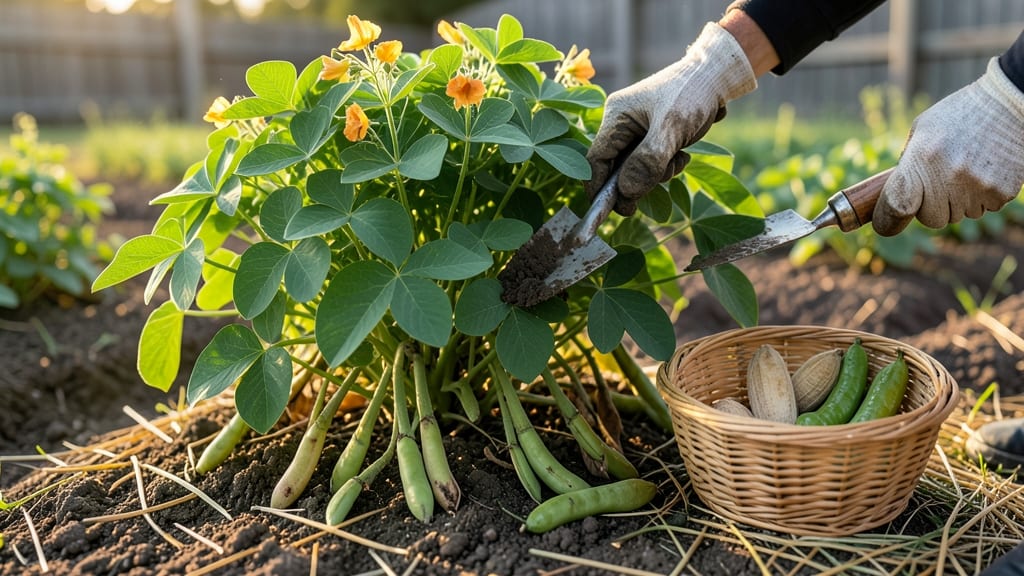
Peanuts reach harvest time between September and October — but timing it wrong can mean the difference between a great yield and wasted effort.
Picture this: you’ve spent months nurturing your peanut plants 🥜, only to dig them up too early and find underdeveloped pods, or too late and risk mold or rot. The exact window depends on your region, soil temperature, and even the weather that year.
In warmer climates like the U.S. South, peanuts are ready as early as late August, while cooler zones like USDA 6a might need to wait until mid-October. The key signs? Yellowing leaves, dry vines, and pods that rattle when shaken.
Below, I’ll break down the exact months for your area, plus how to check for readiness and avoid common mistakes that ruin your harvest.

Peanut harvest time by U.s. growing region: exact months for maximum yield
Peanuts thrive in warm climates, but their harvest timing varies dramatically across the U.S. Missing the optimal harvest window can lead to underdeveloped pods or shriveling due to frost. The key is understanding your USDA hardiness zone and watching for maturity indicators like leaf yellowing and pegging.
In my experience, Southern gardeners enjoy a longer growing season, while Northern growers must act quickly before the first frost.
Peanuts need 90-120 days from planting to harvest, but soil temperatures and daylight hours shift these timelines. For example, peanuts planted in April in the South may be ready by September, while those in the North might need a June planting for an October harvest.
The secret lies in monitoring soil temperatures—peanuts grow best when soil stays above 70°F.
Here’s how to pinpoint your exact harvest window based on your region, including soil temperature thresholds and the telltale signs your peanuts are ready:
In the Southern U.S., where zones 8a-11 dominate, peanuts planted in April-May typically reach harvest by September-October. The key here is maintaining soil temperatures above 70°F—any dip below 65°F slows growth.
I’ve found that Spanish and Virginia varieties thrive here, with harvests peaking in early October if planted early.
For Mid-Atlantic gardeners in zones 6a-7b, timing is critical. Planting in late May-June ensures peanuts mature by late September-October, just before the first frost. Watch for foliage browning and pod rattling—these are your cues.
I once missed my harvest in Zone 7a by a week, and the remaining pods shrank due to early cold snaps.
Northern growers in zones 4a-5b face the biggest challenge: a short growing season. Planting in June-July gives peanuts just enough time to mature by October-November. Soil temperatures must stay above 60°F, and varieties like Early Spanish are ideal.
I recommend using black plastic mulch to extend the season—it can add 5-7°F to soil warmth.
Regardless of your region, leaf yellowing and peg drying are universal signs it’s time to harvest. Dig up a few peanuts to check for tan shells—if they’re still white or green, wait a week.
Overharvesting too early leads to small, underdeveloped pods, while waiting too long risks frost damage or mold.
Pro tip: Use a moisture meter to confirm soil temps. Peanuts need consistent warmth to develop properly. In my Zone 6b garden, I’ve seen harvests shift by 2 weeks depending on whether summer was hot or average. Always plant a test row to gauge your local conditions.
After harvest, cure peanuts in a dry, shaded area for 10-14 days to prevent mold. This step is non-negotiable—wet peanuts spoil quickly. Store them in cool, dry conditions (below 70°F) for up to 6 months. With the right timing, you’ll enjoy a homegrown harvest that rivals store-bought quality.
How to tell when peanuts are ready to harvest: key visual and physical clues
Peanuts are unique because they grow underground, making it tricky to know when they're ready to harvest. Unlike above-ground crops, you can't just pick them when they look ripe—you need to watch for specific visual and physical cues that signal maturity.
Missing these signs often leads to underdeveloped pods or overripe nuts that shrivel in the shell. The key is timing your harvest when the plants show 3-4 clear maturity indicators working together.
First, focus on the foliage. Healthy peanut plants have vibrant green leaves, but when they're ready to harvest, these leaves will start turning yellow and crispy, almost like they're drying out. This isn't the same as nutrient deficiency—it's a natural part of the plant's life cycle.
You'll also notice the vines begin to die back, especially near the base where the pods form underground. This is your first big clue that the peanuts are maturing below the soil.
Here’s the critical part: don’t harvest based on foliage alone. While yellowing leaves are a good sign, you must also check the pods themselves.
The shells should turn from green to tan or light brown, and when you gently shake the vines, you’ll hear a faint rattle—this means the peanuts inside are fully developed.
If you dig up a few pods and they’re still green or firm, they need more time in the ground.
Harvesting Too Early or Late
Peanuts stop growing when the shells harden, so harvesting too early means small, undeveloped nuts, while waiting too late leads to shriveled, low-quality peanuts. Dig up 1-2 plants to check maturity—if the pods are tan and firm, it’s time to harvest the whole patch. If they’re still green, wait 7-10 more days.
One of the biggest mistakes gardeners make is ignoring soil temperature. Peanuts need warm soil to mature properly, and if temperatures drop below 60°F (15°C) during the growing season, the pods may not develop correctly.
In cooler climates, this often means harvesting earlier than usual, around late September or early October, while warmer regions can wait until mid-to-late October. Always check your local frost dates—peanuts can’t survive frost, so plan to harvest before the first frost hits.
To test for readiness, carefully dig up 1-2 plants from different parts of your garden. Look for 3 key signs: the shells should be tan or brown, the peanuts inside should be plump and firm (not shriveled), and the kernels should be white or light tan.
If the kernels are still green or translucent, leave the rest of the plants in the ground for another 1-2 weeks. This spot-checking method saves you from harvesting the entire crop too soon.
Once you’ve confirmed maturity, harvest on a dry, sunny day to allow the peanuts to dry properly. Use a garden fork or shovel to gently loosen the soil around the plants, then pull them up by the vines.
Shake off excess dirt and spread the plants out in a single layer on a tarp or screen in direct sunlight to dry for 3-5 days. This drying process is crucial—it prevents mold and ensures your peanuts store well for months.
After harvest, store your peanuts in a cool, dry place with good airflow, like a mesh bag or paper sack, to prevent moisture buildup. If you notice any pods with soft spots or mold, remove them immediately to protect the rest of your crop.
With the right timing and care, you’ll enjoy homegrown peanuts that are sweeter, crunchier, and fresher than store-bought varieties. 🥜