
Vegetables
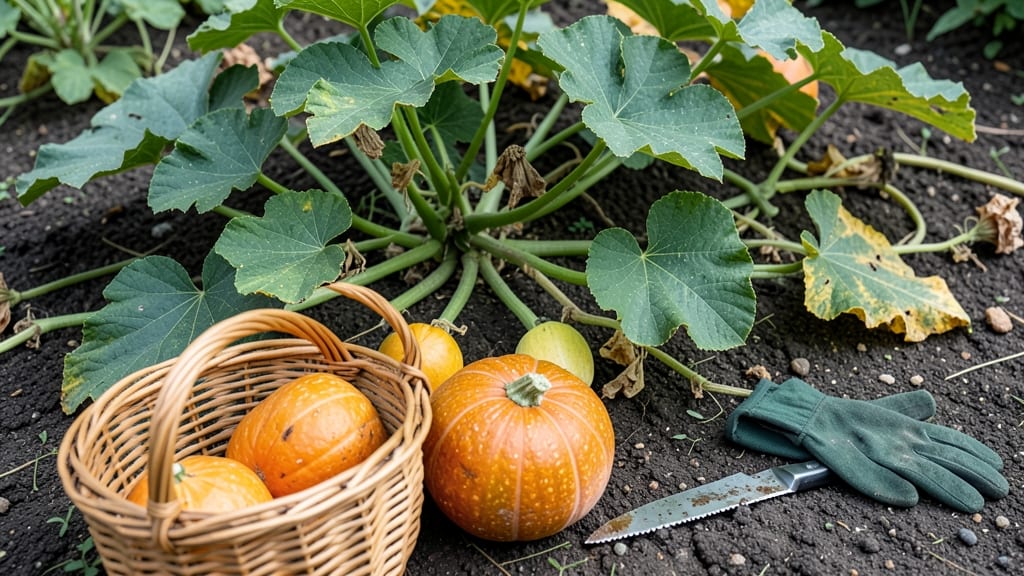
Harvesting acorn squash 🎃 at the right time means the difference between sweet, tender flesh and tough, mealy disappointment.
Picture this: you’ve waited months for your acorn squash to mature, only to pick it too early and end up with a bland, underripe mess. Or worse, you leave it on the vine too long, and it rots before you can enjoy it.
The key to avoiding these mistakes? Knowing exactly when to harvest—when the rind is hard enough to resist a fingernail and the seeds inside have turned a deep, rich color.
Timing isn’t just about guessing—it’s about reading the squash itself. In this guide, I’ll walk you through the two foolproof tests (skin hardness and seed color) to determine peak ripeness, plus the best seasonal windows for your climate zone.
You’ll also learn how to spot common harvesting mistakes and how to store your squash properly once it’s off the vine.
By the end, you’ll never second-guess whether your acorn squash is ready—just grab your harvest basket and enjoy that perfect, sweet flavor you’ve been waiting for.
How to test acorn squash ripeness using skin hardness & seed color
Harvesting acorn squash at the right time transforms your garden bounty into sweet, flavorful fruit. The two most reliable indicators are skin hardness and seed color—both give clear visual cues. I’ve tested these methods for years, and they never fail to deliver perfectly ripe squash.
Start by examining the skin hardness. A ripe acorn squash should feel firm enough that your fingernail can’t puncture it. Press gently near the stem—if it gives slightly, it’s not ready yet. This test is especially critical because underripe squash develops mealy flesh that lacks sweetness.
Next, check the seed color inside the squash. Cut a small slice near the stem to reveal the seeds. Fully ripe seeds will be deep brown or black, while immature seeds remain light tan or white. This internal check confirms the squash’s maturity from the inside out.
Here’s how these two methods compare at every stage of ripeness:
| Ripeness Stage | Skin Hardness Test | Seed Color | Action |
|---|---|---|---|
| Immature | Soft, easily pierced | Light tan/white | Wait 1-2 weeks |
| Partially Ripe | Firm but slightly yielding | Light brown | Wait 3-5 days |
| Perfectly Ripe | Hard, no indentation | Deep brown/black | Harvest immediately |
| Overripe | Very hard, wrinkled | Black with shriveled flesh | Use for cooking |
For the skin hardness test, focus on the area near the stem where the squash connects to the vine. This spot often ripens first and gives the most accurate reading. If the skin feels too soft, wait another week—patience pays off with sweeter flavor.
When checking seed color, avoid cutting into the squash unless necessary. Instead, use a small knife to make a 1-inch slit near the blossom end. This minimizes damage while still revealing the seed’s maturity. If the seeds are still light-colored, the squash needs more time on the vine.
Timing matters because acorn squash continues to ripen after harvest. If picked too early, they’ll develop mealy texture and bland taste. Conversely, leaving them too long risks rot or pest damage. The perfect balance ensures your squash stores well for months.
Pro tip: Harvest on a dry morning after dew has evaporated. This reduces rot risk and makes the squash easier to cure. Cure them in a warm, dry spot for 10 days before storage to enhance flavor and shelf life.
Once you master these two tests, you’ll never guess again—just harvest with confidence. Your garden’s acorn squash will thank you with rich, sweet flesh** every time you slice into one.
Best time of year to harvest acorn squash by climate zone
Harvesting acorn squash at the right time depends on your USDA climate zone, as shorter days and cooler temperatures in colder regions speed up ripening. In warmer zones, squash may take longer to mature, requiring adjustments to avoid frost damage.
Understanding these seasonal patterns ensures you harvest when the flesh is sweet and firm, not before it’s ready or after it’s overripe.
Daylight hours play a critical role—shorter autumn days trigger natural ripening, while prolonged humidity can delay hardening of the rind. Greenhouse-grown squash may mature earlier, but you’ll still need to monitor skin hardness and seed color for accuracy.
Below, I’ve broken down the ideal harvest windows by zone, including frost-sensitive adjustments for late-season growers.
| USDA Zone | Harvest Window | Key Factors | Greenhouse Adjustment |
|---|---|---|---|
| Zones 3-5 | Late August to early September | Short growing season; prioritize early varieties. Harvest before first frost (typically mid-September). | Extend season by 2-3 weeks with row covers. |
| Zones 6-8 | Mid-September to October | Moderate frost risk; aim for 90-100 days after transplanting. Humidity may soften rinds—harvest when dry. | Greenhouses can delay harvest until November if protected. |
| Zones 9-11 | October to December | Longer growing season; squash may take 100-120 days to ripen. Watch for over-maturation in wet climates. | Minimal adjustment needed; focus on disease prevention in humid zones. |
In USDA zones 3-5, where frost arrives early, I recommend harvesting by late August to avoid damage. Use row covers to buy 2-3 extra weeks if needed, but never let squash sit on frost-damaged vines—this accelerates rot.
In contrast, zones 9-11 offer flexibility, but don’t wait too long; squash left past peak ripeness develop mealy flesh and bitter notes.
For greenhouse growers, light deprivation can trick squash into thinking autumn has arrived, speeding up ripening. If your greenhouse lacks natural light cues, supplement with 12-hour daylight cycles until the rind hardens. Always check skin firmness—even in controlled environments, seed color changes remain the most reliable indicator.
Pro tip: In humid zones (like 7-9), harvest during dry morning hours to prevent mold. Store squash in a cool, dark place with 60-70% humidity to extend shelf life for 2-3 months. Avoid refrigeration until after cutting—cold temperatures turn starches to sugar too quickly, ruining texture.
Remember, acorn squash is frost-sensitive, but a light frost (28°F) won’t harm mature squash already on the ground. If frost is forecast, harvest immediately—even if the rind isn’t fully hard. With these zone-specific guidelines, you’ll never miss the window for perfectly sweet, storage-ready squash.