
How To
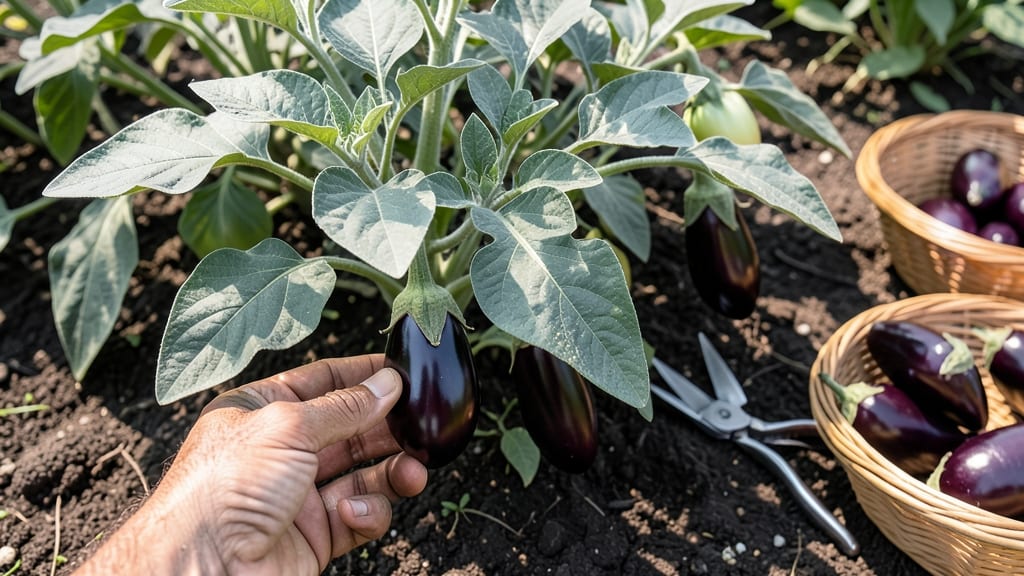
Harvesting Asian eggplant at the right time ensures tender, flavorful fruit—so knowing when to harvest Asian eggplant is everything.
Picking too early means underdeveloped flesh, while waiting too long turns your 🍆 into a tough, bitter mess. The difference between a perfect harvest and a disappointing one often comes down to three simple tests: skin firmness, size consistency, and color depth.
In USDA Zone 6a, where spring planting kicks off after the last frost (April–May), Asian eggplants typically reach harvest readiness by July. But timing isn’t just about the calendar—it’s about the fruit’s cues, which I’ll break down so you never miss peak tenderness.
By the end, you’ll learn how to spot the ideal moment, avoid common mistakes, and even adjust for regional weather quirks. No more guesswork—just perfectly ripe eggplants ready for your kitchen.
3 Finger-press tests to determine Asian eggplant ripeness
Asian eggplant thrives when harvested at the perfect moment—neither too early (underdeveloped) nor too late (bitter and seedy). The key lies in your fingertips! These three simple finger-press tests reveal when your eggplants are at their peak for tender, flavorful results.
I’ve used these methods for years in my garden, and they’ve never let me down. The secret? A gentle touch and attention to detail.
First, let’s address the elephant in the garden: overripe Asian eggplant. If you wait too long, the flesh becomes tough and fibrous, while the seeds grow large and bitter. But with these tests, you’ll know exactly when to pick—no guesswork required.
The best part? You don’t need any special tools, just your hands and a keen eye. Ready to master the art of the perfect harvest?
-
Test 1: The Skin Squeeze
Press your thumb gently into the eggplant’s skin. If it yields slightly (like pressing a ripe avocado) but doesn’t dent deeply, it’s ready. A firm but flexible skin guarantees tenderness. -
Test 2: The Seed Check
Slice open the blossom end. If the seeds are tiny and pale (barely visible), harvest now. Large, dark seeds mean it’s past its prime—waiting too long ruins the creamy texture you love. -
Test 3: The Color Glow
Look for a deep, uniform color—no pale patches or dull spots. Purple varieties should be vibrant, while white or striped types should shine with a glossy finish. Dullness signals overripeness.
Let’s break down the first test—skin firmness—because this is where most gardeners go wrong. Many assume "firm" means "hard," but that’s a common mistake. Asian eggplants should feel slightly springy, like a well-inflated balloon. If the skin resists your thumb entirely, it’s not ready yet.
Conversely, if it leaves a deep imprint, you’ve waited too long. I once harvested a batch that failed this test, and the result? A meal of tough, rubbery eggplant—not ideal!
The seed development test is my personal favorite because it’s the most reliable indicator of flavor. When seeds are still tiny, the flesh remains sweet and mild. I’ve found that Japanese eggplants (smaller varieties) often pass this test earlier than Thai eggplants (larger ones).
Always check the blossom end first—it’s the most accurate spot for seed visibility. Pro tip: Use a small knife to make a clean slice, and avoid crushing the fruit.
Don’t overlook the color cues, especially if you’re growing striped or white varieties. A dull finish or uneven coloring means the eggplant has been exposed to too much sun or stress.
In my garden, I’ve noticed that morning harvests often yield the brightest colors because the fruit hasn’t had time to fade under the midday sun. For purple varieties, aim for a rich, deep hue—think eggplant-colored (yes, that’s a real term!).
Here’s a bonus tip: Combine these tests with the stem snap test. Gently twist the stem near the fruit. If it snaps cleanly, it’s ready. If it resists, wait a day or two. I use this test as a final confirmation before cutting the eggplant from the plant.
It’s a quick way to double-check your finger-press results. Remember, Asian eggplants are delicate—handle them with care to avoid bruising.
Timing is everything, especially in hot climates. Eggplants ripen faster in heat, so I harvest mine every 2-3 days during peak summer. In cooler weather, stretch it to 3-4 days. Overripe eggplants not only lose flavor but also attract pests like fruit flies.
Trust your tests, and you’ll avoid this common pitfall. The payoff? Eggplants so tender they practically melt in your mouth.
One last piece of advice: Harvest in the morning. The fruit is cooler and firmer, making it easier to judge ripeness. I’ve also noticed that morning-picked eggplants store better in my fridge, staying fresh for up to a week.
If you’re unsure, err on the side of harvesting earlier. You can always leave a few extra on the vine for a day or two, but once they’re overripe, there’s no going back.
Now that you’re armed with these three foolproof tests, you’ll never second-guess your Asian eggplant harvest again. The next time you’re in your garden, take a moment to press, check, and admire the perfect fruit. Your taste buds—and your dinner guests—will thank you. Happy harvesting! 🌱
Size matters: ideal Asian eggplant dimensions by variety
Not all Asian eggplants are created equal—size directly impacts flavor and texture. Japanese eggplants like Kuroda stay small (3-5 inches) but pack intense sweetness, while Thai eggplants can grow up to 12 inches long with milder, meatier flesh.
Knowing these dimensions helps you harvest at peak tenderness before bitterness sets in.
For Japanese varieties, harvest when they reach 3-5 inches—any larger means tougher skin. Thai eggplants, however, thrive at 6-12 inches, where their flesh becomes creamy and less seedy.
Even within a single plant, the first fruits are often the sweetest, so prioritize harvesting them first for the best flavor.
Here’s how size correlates with ripeness and yield:
| Variety | Ideal Size | Flavor Profile | Harvest Window | Texture |
|---|---|---|---|---|
| Japanese (Kuroda) | 3-5 inches | Sweet, nutty | 55-65 days | Tender, thin skin |
| Chinese (Black Beauty) | 4-7 inches | Mild, earthy | 60-70 days | Firm, slightly crisp |
| Thai (Green Eggplant) | 6-12 inches | Mild, slightly bitter | 70-80 days | Meaty, thick skin |
| Indian (Round) | 3-4 inches (diameter) | Rich, spicy undertones | 65-75 days | Firm, glossy |
Harvesting at the right size isn’t just about flavor—it’s also about yield. Larger varieties like Thai eggplants produce fewer fruits per plant but with higher individual weight. Meanwhile, Japanese eggplants yield more per plant but require frequent harvesting to encourage continuous production.
Pro tip: Use a sharp knife or pruners to cut stems at a 45-degree angle, leaving a small stem attachment to prevent rot. Avoid pulling fruits, which can damage the plant. Store harvested eggplants in the fridge for up to 5 days to preserve their tender texture.
If you wait too long, Asian eggplants develop bitter seeds and leathery skin—so check your plants every 2-3 days during peak harvest season (July-September). The sooner you pick, the sweeter (and easier to eat!) they’ll be.