
How To
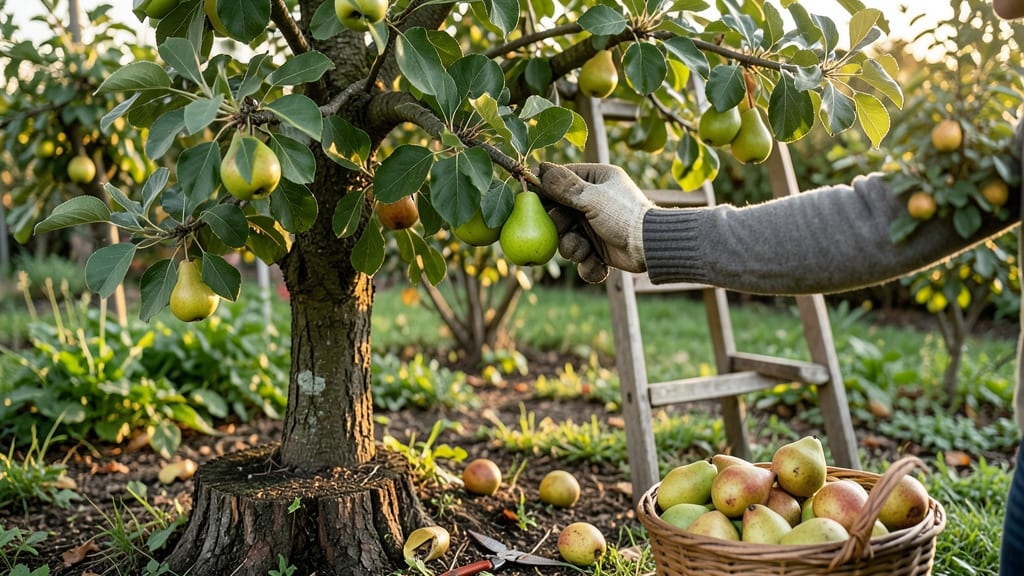
Harvesting Bartlett pears 🍐 at the right moment means the difference between sweet, juicy perfection and a mealy, flavorless mess.
Picture this: You’ve waited all season for your tree to load up with fruit, only to pick them too soon and end up with pears that taste bland or fall apart before you can enjoy them.
The good news? Timing these classic varieties correctly is easier than you think—and I’ll show you exactly how to know when they’re ready.
Most Bartlett pears in USDA Zone 6 ripen between late September and early October, but the real secret lies in three simple tests: skin color, firmness, and how easily they separate from the branch. Skip the guesswork with these foolproof signs that guarantee peak flavor every time.
In this guide, you’ll learn the exact moment to harvest, how to adjust for cool or warm climates, and what to do if you miss the window. No more wasted fruit—just homegrown pears that taste like they came straight from a cider press.
How to test Bartlett pear ripeness: the 3 key signs
Harvesting Bartlett pears at the perfect moment transforms your orchard into a treasure trove of sweet, juicy fruit. But timing is everything—pick too early, and you’ll end up with grainy, underripe pears.
Pick too late, and they’ll turn mushy or attract pests. Master these three key signs to nail the harvest window every time.
First, focus on the skin color. Mature Bartlett pears shift from bright green to a yellow-gold blush or even a deep red flush, depending on your climate.
This color change signals sugar development inside. However, don’t rely solely on color—some pears may stay green even when ripe, especially in cooler regions.
🌱
| Ripeness Sign | What to Look For | Action |
|---|---|---|
| Skin Color | Yellow-gold or red blush (varies by variety) | Check for 50%+ color change from green |
| Firmness Test | Gives slightly near the stem (like a ripe avocado) | Press gently—if it yields, it’s ready |
| Stem Separation | Twists off cleanly with minimal resistance | Hold fruit and twist—should separate easily |
| Weather Impact | Cooler temps slow ripening; warm spells speed it up | Adjust harvest 1-2 weeks earlier in warm climates |
The firmness test is your next clue. Gently press the pear near the stem—ripe Bartletts should yield slightly, like a soft tennis ball. If it feels rock-hard, it’s not ready.
Overripe pears may feel mushy or dent easily under pressure. Pro tip: Use your thumb and index finger to squeeze—no give = not ripe.
Third, perform the stem separation test. Grasp the pear firmly and twist it gently. A ripe Bartlett will detach cleanly from the stem with just a slight twist.
If the fruit resists or the stem snaps, it’s not ready. This test is especially critical for container-grown trees, where fruit may ripen unevenly.
Weather plays a sneaky role in ripening. In cooler climates (USDA Zones 5-6), pears may take longer to ripen, so monitor them weekly in late September. In warmer zones (7-9), harvest can start as early as mid-August.
A sudden heatwave can accelerate ripening, so check your pears more frequently during unseasonably warm spells.
Troubleshooting inconsistent ripening? Uneven sun exposure or poor pollination can cause some pears to lag behind. If a few fruits stay green while others blush, prioritize harvesting the ripe ones first. Leave the laggards on the tree—they may never catch up, and removing ripe fruit can stress the tree.
For container-grown Bartletts, ripening may happen 1-2 weeks earlier than orchard trees due to limited root space. Keep an extra-close eye on potted trees, as they’re more sensitive to temperature fluctuations. If your container tree is in a south-facing spot, expect faster ripening than shaded trees.
Once you’ve confirmed ripeness, harvest on a dry, sunny morning to avoid bruising. Use pruning shears or a sharp knife to cut the stem cleanly, leaving a 1-inch stem attached.
This helps the pears ripen evenly after picking and reduces spoilage. Store them in a cool, dark place (like a basement) to extend freshness for 2-3 weeks.
Now that you’re armed with these three key signs, your Bartlett pear harvest will be nothing short of spectacular. The secret? Check weekly, test gently, and trust your senses. Happy harvesting!
🍐
Bartlett pear harvest timeline by region: when to watch for ripeness
Timing your Bartlett pear harvest depends heavily on your USDA zone and local climate. In cooler regions (Zones 5-6), pears typically ripen 2-3 weeks later than in warmer zones (Zones 7-9).
Container-grown trees may also ripen slightly earlier due to heat absorption from pots. Start monitoring fruit in late August and adjust based on your location.
Early varieties like Moonglow may ripen as early as mid-September in Zone 8-9, while standard Bartletts peak in late September to October. Late varieties or cooler climates can extend ripening into early November.
Always check for color change and stem separation—these are your best indicators regardless of region.
| USDA Zone | Typical Ripening Window | Adjustments for Containers | Key Ripeness Signs |
|---|---|---|---|
| Zones 5-6 | Late Sept - Early Nov | Ripen 1-2 weeks earlier | Yellow blush + slight give |
| Zones 7-8 | Mid-Sept - Late Oct | Ripen on schedule | Full yellow + stem twist |
| Zone 9 | Early Sept - Mid-Oct | Ripen 1-2 weeks later | Deep yellow + soft neck |
In cooler climates (Zones 5-6), watch for frost warnings after mid-September. If frost threatens, harvest immediately—even if pears aren't fully ripe. They'll soften further at room temperature. In warmer zones (Zones 7-9), pears may ripen unevenly, so check fruit weekly and harvest in batches based on ripeness.
Container-grown Bartletts often ripen 1-2 weeks earlier than orchard trees due to heat absorption from pots. Monitor these trees daily in late August and be prepared to harvest sooner. If your container tree is in a shady spot, ripening may be delayed by 10-14 days—adjust your timeline accordingly.
For early varieties, set reminders for mid-September checks, while late varieties may need monitoring until early November. Use a fruit pressure test (gentle squeeze near the stem) to confirm ripeness. If pears feel too firm, wait 3-5 days before checking again.
Pro tip: Keep a harvest journal to track your tree's ripening patterns year after year. Note the exact dates when pears reach peak ripeness in your specific microclimate. This helps you refine your timing for future harvests and avoid common mistakes like overripe pears or unripe fruit.