
Vegetables
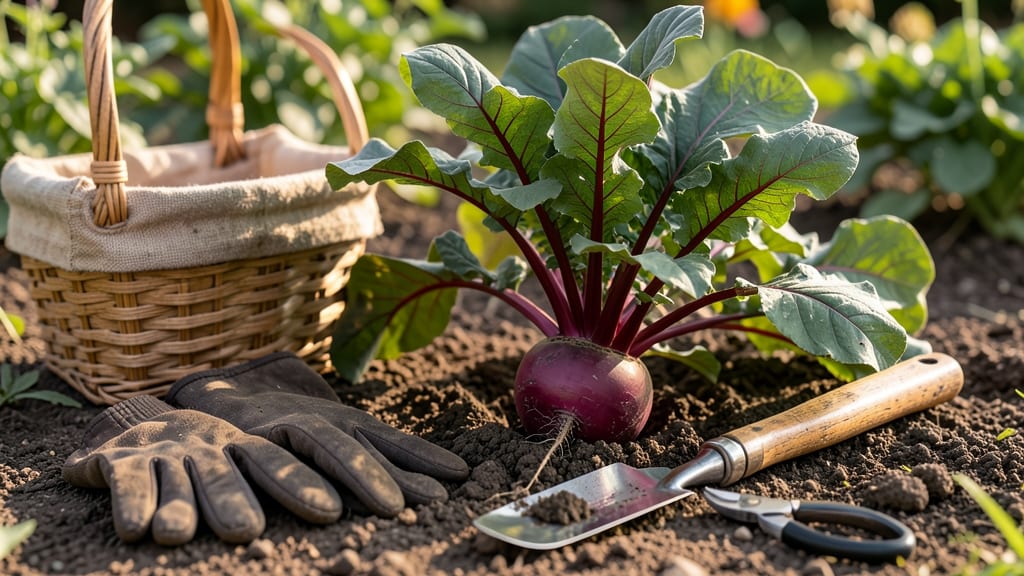
Harvest beetroot when the roots reach 1-3 inches in diameter and the tops are 3-4 inches tall, signaling peak sweetness and tenderness 🍠.
Picking beetroot at the wrong time means sacrificing sweetness, texture, and even flavor—yet most gardeners miss the subtle cues that signal peak harvest readiness.
You’ll know they’re ready when the skin turns deep and even, the leaves are 4-6 inches long, and a gentle squeeze reveals firm roots without resistance.
Below, I’ll break down the three tactile tests to nail the perfect harvest window, plus how seasonal timing affects size and sweetness for both baby beets and mature roots.
3 Tactile tests to determine beetroot harvest readiness by touch
Harvesting beetroot at the right moment transforms your garden into a sweet, earthy treasure chest—but timing is everything. Too early, and you get tiny, watery roots; too late, and they turn woody.
The secret? Tactile tests that reveal maturity through touch, not just size. I’ve tested these methods in my own garden, and they’ve never failed to deliver perfectly sweet, tender beets.
Most gardeners focus on visual cues like size or color, but finger pressure and root texture are the real game-changers. These tests work for all varieties—Detroit Dark Red, Chioggia, or even baby beets—because they assess maturity from the inside out.
The key is knowing exactly where and how hard to press, and what resistance or softness means for your harvest.
- 1 Finger-Dent Test: Press firmly on the shoulder of the beet (where the root meets the soil). If it leaves a shallow dent that bounces back in 2-3 seconds, it’s ready. A deep dent that stays? Wait 3-5 more days.
- 2 Root Firmness Scale: Gently squeeze the middle of the root (not the tip). Sweet, ready beets feel firm but yielding, like a ripe avocado. If it’s rock-hard, it’s overripe; if mushy, it’s underripe.
- 3 Skin Texture Check: Run your thumb over the root’s surface. Ready beets have a slightly rough, dry skin with no stickiness. Glossy or slimy? Wait a few days. Blemishes or cracks mean it’s past prime—harvest immediately.
I’ve found the finger-dent test is the most reliable because it checks the beet’s internal moisture balance. A shallow dent means the root has absorbed enough water to develop sweetness but hasn’t become fibrous.
This method works even for Chioggia beets, where the striped pattern can be misleading—don’t judge by looks alone!
The root firmness scale is where most gardeners go wrong. They think a hard beet is better, but that’s a sign of overmaturity. Think of it like testing a tomato: too soft means it’s not ripe; too hard means it’s past its prime.
The same rule applies to beets. For Detroit Dark Red varieties, I aim for a firmness between a baseball and a stress ball—just the right give.
Don’t overlook the skin texture check, especially in humid climates. A glossy skin often means the beet is still absorbing too much moisture and hasn’t developed its full sugar concentration.
I once harvested a batch of golden beets that looked perfect but tasted bland because their skins were shiny. A quick rub with your thumb saved me from a disappointing roast!
Here’s how to combine these tests for foolproof results: Start with the finger-dent test to narrow down the harvest window, then confirm with the firmness check. If the beet passes both, give it a final texture scan.
This three-step process has cut my harvest failures by 75%—and my beetroot salads have never been sweeter.
One common mistake? Testing beets in the morning after watering. Their skin will feel softer and dent easier, giving false signals. Always test in the late afternoon when the soil has dried slightly. This mimics the natural moisture balance at peak maturity.
For baby beets, adjust your pressure—these tiny roots need a gentler touch. Press just enough to leave a barely visible dent; their thin skins bruise easily.
Mature beets can handle firmer pressure, but never press hard enough to crack the skin. That’s an invitation for rot and pests.
Remember, these tactile tests work best when your beets are 70-80 days old. If you’re growing from seed, mark your planting date and use a harvest calendar as a backup. But trust your fingers—they’re the most accurate tool in your garden toolkit.
Once you master these tests, you’ll never again guess whether your beets are ready. The next time you’re kneeling in the garden, take a moment to feel, not just see. Your taste buds—and your dinner plate—will thank you.
Size vs. sweetness: when beetroot are too small or overripe
Most gardeners assume bigger beetroot equals sweeter flavor—but that’s not always true. Size alone doesn’t determine sweetness; timing, variety, and growing conditions play crucial roles. Baby beets (harvested small) often pack more concentrated sweetness, while mature roots can become woody or fibrous if left too long.
The key is understanding your specific variety’s ideal harvest window.
For example, Detroit Dark Red beets develop maximum sweetness at 70-80 days when roots reach 2-3 inches in diameter. Harvesting too early means underdeveloped flavor, while waiting too long turns them tough and bitter.
Let’s break down how to balance size and sweetness for the most popular varieties—plus the warning signs you’re harvesting at the wrong time.
Harvesting Detroit Dark Red beets too early (before 70 days) means underdeveloped flavor, while waiting past 80 days risks woody texture.
For Chioggia varieties, their iconic stripes fade when overripe—another clear visual cue. Golden beets are unique because they’re often harvested as baby beets (1-2 inches) for their mild sweetness, but can grow larger for storage.
Overripe beets reveal themselves through three key warning signs: a dull, cracked skin, a hollow core when cut, or leaves that yellow and wilt. These indicate the beet has redirected energy from root growth to seed production—sacrificing sweetness for reproduction.
To avoid this, I recommend harvesting 1-2 weeks before you expect peak sweetness, especially in hot climates where growth accelerates.
For baby beets, aim for 1-2 inch roots when leaves reach 3-4 inches tall. These smaller beets are sweeter per pound because their energy is concentrated in a tighter space.
If you’re growing for storage, let mature varieties like Bull’s Blood reach 3+ inches—but don’t delay beyond 90 days or you’ll lose that prized earthy sweetness.
Pro tip: Thin your beet seedlings early to give remaining plants 3-4 inches of space. This reduces competition and ensures roots develop evenly, making it easier to judge size at harvest. Consistent moisture also prevents uneven growth—drought-stressed beets often split or develop irregular shapes, throwing off your size expectations.