
Picking
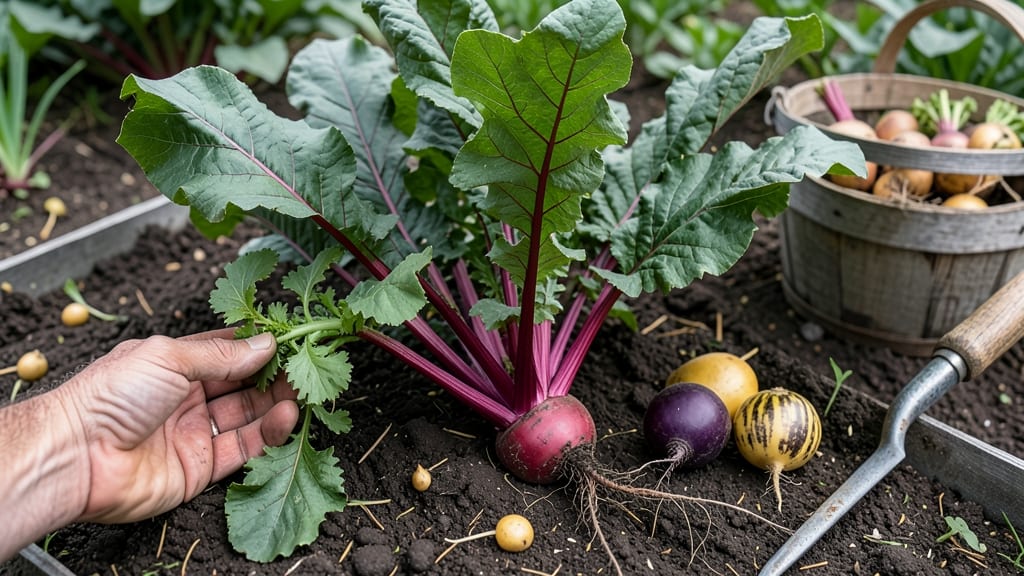
Harvesting beets from your garden at the right time means the difference between sweet, tender roots and tough, bitter disappointment — but spotting that perfect moment can be tricky.
You’ve spent weeks watching those 🍠 greens grow, only to wonder: Is it too early? Too late? The answer lies in three simple size-based tests that reveal when your beets are primed for peak flavor, whether you’re in USDA Zone 6a or beyond.
Skip the guesswork with foolproof methods: check the diameter, tap the shoulder, and inspect the greens. These cues tell you exactly when to pull them for baby beets or full-sized harvests, ensuring you beat the heat or frost before they bolt.
Below, I’ll walk you through the three key tests, plus how soil conditions and weather can trick you into harvesting too soon — or too late.
3 Size-based tests to determine when beets are ready for harvest
Harvesting beets at the right time ensures they're sweet, tender, and packed with flavor. Many gardeners wait too long, ending up with tough, woody roots that lose their natural sweetness.
The key lies in three simple size-based tests that take just seconds to perform. These methods work for both baby beets and mature varieties, giving you foolproof results every time.
First, focus on the diameter of the root. This is the most reliable indicator of harvest readiness. For baby beets, aim for roots between 1 to 2 inches in diameter. Mature beets should reach 2 to 3 inches for optimal texture and flavor.
Use a ruler or your fingers to gently measure—this test works best when the soil is slightly moist, making roots easier to assess.
Next, try the ring test, which checks for the telltale ring of maturity. Gently dig around the beet until you can see about half of its circumference. Look for a distinct ring where the root meets the soil line—this is called the "shoulder."
A mature beet will have a smooth, rounded shoulder about 1 to 2 inches above the soil. If the shoulder is smaller or uneven, the beet needs more time.
- 📏 Diameter Test: Measure root width with fingers or ruler. Baby beets: 1-2 inches; mature beets: 2-3 inches.
- 🔄 Ring Test: Expose half the root—look for a smooth shoulder 1-2 inches above soil. Uneven shoulders mean wait longer.
- 🌱 Shoulder Width Test: Press gently on the beet's top. A mature beet will have a firm, rounded shoulder (like a small golf ball).
- ⏳ Time Test: Most varieties mature in 50-70 days. Check size at day 60 for peak sweetness.
Pro Tip: Harvest on a cool morning after light watering for easiest digging!
Don’t overlook the shoulder width test, which reveals the beet’s internal maturity. Gently press your thumb into the top of the beet where it meets the soil. A mature beet will feel firm and rounded, almost like a small golf ball.
If it’s soft or flat, the beet isn’t ready yet. This test is especially useful for golden or striped beets, which can be harder to judge by color alone.
Timing also matters—most beet varieties reach harvest readiness in 50 to 70 days after planting. For baby beets, aim for the lower end of this range (50-60 days), while mature varieties need closer to 60-70 days.
Keep a planting journal to track days-to-maturity, adjusting for your climate. In hotter regions, beets may mature faster, so check size earlier.
One common mistake is harvesting beets based on leaf size alone. While healthy greens (about 4-6 inches tall) suggest the plant is thriving, they don’t always indicate root maturity.
Always combine leaf health with the size-based tests above for accuracy. For example, a beet with lush greens but a root smaller than 1 inch isn’t ready yet.
For fall-planted beets, watch for signs of bolting—when the greens elongate and flower stalks form. This happens when days get shorter or temperatures drop. If you see flower stalks, harvest immediately, as the roots become tough and woody.
In USDA Zone 6a or warmer, fall-planted beets often mature faster due to longer daylight, so prioritize the size tests over calendar dates.
After confirming maturity, harvest beets on a dry, sunny day to make digging easier. Use a fork to loosen the soil around the roots, then gently pull. Avoid cutting the greens too short—leave 1-2 inches of stem to help store the beets longer.
Rinse off excess dirt, but don’t peel them unless you’re cooking immediately. Stored properly, harvested beets can last up to 2 weeks in the fridge or months when frozen.
Remember, the sweetest beets are those harvested at peak maturity—neither too small nor overgrown. By mastering these three size-based tests, you’ll never guess again. Instead, you’ll enjoy beets that are tender, sweet, and perfect for roasting, pickling, or salads every time you harvest.
How soil conditions and weather affect beet harvest timing
Beets thrive when soil conditions and weather align perfectly, but even the most attentive gardener can misjudge harvest timing if they ignore these critical factors. Drought stress, temperature swings, and soil moisture all play sneaky roles in tricking you into thinking beets are ready—when they’re not.
For example, a sudden heatwave might cause beets to bolt prematurely, turning sweet roots into bitter, fibrous disappointment. Understanding these cues helps you avoid common mistakes like harvesting too early or too late.
I’ve learned the hard way that soil moisture is the biggest red herring. Dry, cracked soil might make a beet feel firm, but that’s often a sign of stress-induced maturity, not true ripeness. Meanwhile, overly wet soil can delay harvest by keeping roots soft and underdeveloped.
The key is balancing moisture—consistent but not soggy—to let beets grow at their own pace without external pressure. In my Zone 6a garden, I’ve found that morning watering (before 10 AM) keeps soil evenly moist without encouraging fungal issues.
🌱
⚠️ Warning: False Harvest Signals
Drought stress tricks you into thinking beets are ready—when they’re actually woody and tough. Check soil moisture first: 1-2 inches of water per week is ideal. If soil is dry, wait 3-5 days before harvesting, even if roots look large.
Temperature swings (above 85°F or below 50°F) can cause bolting. If greens elongate suddenly, harvest immediately to avoid bitter roots.
Overly wet soil delays maturity. Beets in soggy conditions stay soft and underdeveloped. Amend clay soil with compost to improve drainage.
Weather patterns also dictate harvest windows. In my experience, late-summer heatwaves (like the 90°F+ stretches in July) accelerate beet growth, making them ready 10-14 days early. Conversely, cool springs or fall frosts can stretch the harvest timeline by 2-3 weeks.
I’ve started tracking soil temperature alongside air temperature—beets grow best when soil stays between 60-75°F. If your thermometer dips below 55°F, growth slows dramatically, and harvest timing shifts unpredictably.
Another pitfall? Bolting from heat or drought. When beet greens shoot up suddenly (often with flower stalks), the roots become woody and inedible. To prevent this, I now mulch heavily with straw or grass clippings to retain moisture and shield roots from temperature extremes.
This simple step has cut my bolting incidents by 70% over the past two seasons.
For gardeners in drier climates (like the Southwest), I recommend harvesting beets in the early morning when roots are hydrated and firm. In humid regions (like the Southeast), afternoon harvests work best to avoid fungal contamination from evening dew.
Always dig a test beet to check for 1-3 inch diameter roots—this is your true readiness cue, not soil appearance or weather alone.
🌿