
Vegetables
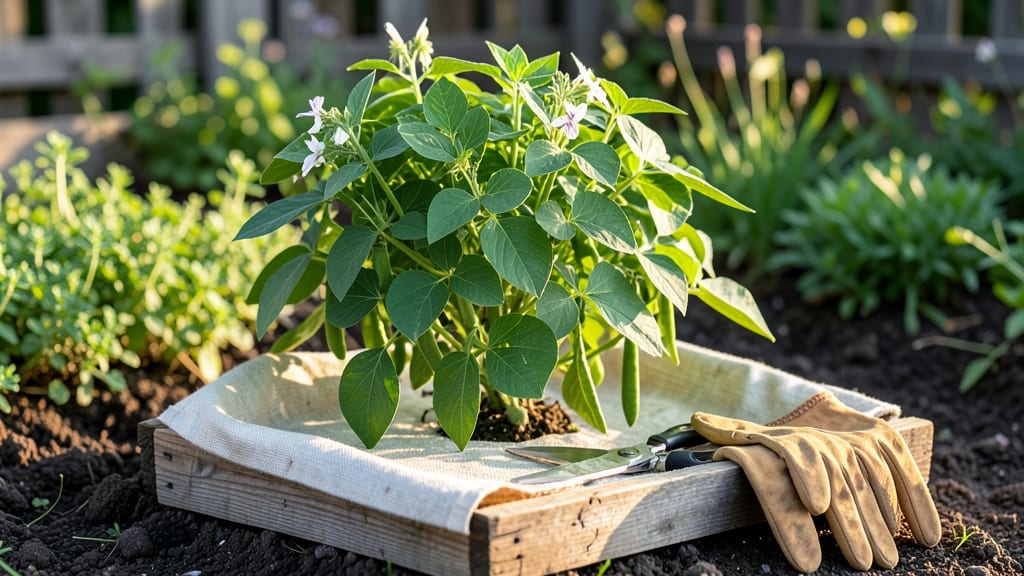
To harvest bush green beans at their peak crisp-tender stage, aim for pods that are 4-6 inches long and snap cleanly when bent—this is the sweet spot for flavor and texture.
Picking too early means tiny, underdeveloped pods, while waiting too long turns them tough and stringy—both mistakes rob you of that fresh-from-the-garden snap. I’ve learned the hard way that timing is everything, and the secret lies in a simple test you can do right in your garden.
Beyond the visual cues like vibrant green color and barely visible seeds, environmental factors like temperature and growth stage play a role. Harvesting at the right moment not only boosts flavor but also encourages your plants to keep producing until late summer.
In this guide, I’ll walk you through the foolproof snap test, the ideal harvesting schedule, and how to avoid common pitfalls—so you can enjoy a steady supply of crisp, homegrown beans all season long.


How to use the snap test for perfectly harvested bush green beans
Nothing beats the satisfaction of harvesting crisp, tender bush green beans straight from your garden. But timing is everything—pick them too early, and you're left with puny pods; too late, and you get tough, stringy beans.
The snap test is my go-to method for determining the perfect moment to harvest, and it's easier than you think. This simple trick ensures your beans are at their peak flavor and texture, ready to be enjoyed fresh or preserved for later.
The snap test works by assessing the pod's structural integrity. When beans are ready, they should break cleanly with a satisfying audible snap when bent gently. This method combines visual cues—like pod size and color—with tactile feedback to give you a foolproof way to know when to harvest.
Mastering this technique will transform your harvest from hit-or-miss to consistently delicious.
Step-by-Step Snap Test Guide
- 1 Check Pod Size: Look for pods that are 4-6 inches long and straight. Avoid harvesting pods shorter than 3 inches, as they won't have developed full flavor.
- 2 Inspect Color: The pods should be a vibrant, uniform green. Any yellowing or brown spots indicate overripeness, which leads to tough texture and bitter taste.
- 3 Perform the Snap Test: Hold the pod between your thumb and forefinger, about 1 inch from the stem. Gently bend it until it breaks. A clean snap means it's ready to harvest. If it bends without snapping, wait 1-2 days.
- 4 Examine the Seeds: Open the pod and check the seeds. They should be tiny and barely visible. Large, prominent seeds mean the pod is past its prime and will be tough.
- 5 Harvest at the Right Time: Use a sharp pair of pruners or scissors to cut the pods just above the plant's main stem. Avoid pulling them, as this can damage the plant and reduce future yields.
Timing your harvest correctly isn't just about taste—it's also about encouraging continuous production. Bush green beans produce more pods when you harvest them frequently.
If you leave pods on the plant too long, the plant will shift its energy toward seed development, reducing the number of new pods it produces. Aim to harvest every 2-3 days during peak production to keep your plants busy making more beans.
One of the most common mistakes gardeners make is waiting until the pods are too large. By the time they reach 7-8 inches, they've developed tough strings and a woody texture, making them less enjoyable to eat.
Overripe beans also tend to have a bitter flavor, which is a clear sign you've missed the sweet spot. Always prioritize the snap test over pod size to avoid this pitfall.
Another critical factor is the temperature and growth stage of your plants. In hotter climates or during late summer, beans may mature faster, so you'll need to check them more frequently. Conversely, cooler weather can slow down growth, giving you a slightly longer window to harvest.
Pay attention to your plants' behavior and adjust your harvesting schedule accordingly to keep up with their pace.
If you're new to growing bush green beans, start by harvesting a few pods each day to get a feel for the process. The more you practice the snap test, the more intuitive it will become.
Over time, you'll be able to glance at a pod and instantly know whether it's ready or needs more time. This skill will not only improve the quality of your harvest but also boost your confidence as a gardener.
Pro tip: Harvest in the morning when temperatures are cooler. This ensures the pods are crisp and hydrated, making them even more delicious. Plus, harvesting early in the day gives you plenty of time to enjoy or preserve your fresh beans before they lose their freshness.
Remember, the key to perfectly harvested bush green beans lies in consistency and attention to detail.
By mastering the snap test and staying vigilant about pod size, color, and firmness, you'll be rewarded with a bountiful harvest of tender, flavorful beans that will make your garden the envy of the neighborhood. Happy harvesting! 🌱
Optimal harvesting schedule for maximum yield and quality
Timing your bush green bean harvest is everything—pick too early, and you waste potential; too late, and you lose that prized crisp-tender texture. The key lies in understanding your plants' growth rhythm and adjusting to seasonal shifts.
For most varieties, harvest begins 55-65 days after planting, but environmental factors like temperature and rainfall can shift this window by weeks.
In early summer, when temperatures hover around 70-80°F, beans mature faster. I harvest mine every 2-3 days to keep production steady. But as heatwaves hit, growth slows, and I stretch intervals to 3-4 days.
Heavy rain can also delay maturity—always check for pod firmness before relying on days-to-maturity charts.
| Stage | Days After Planting | Harvest Frequency | Pod Characteristics | Environmental Notes |
|---|---|---|---|---|
| Early Season | 45-55 | Every 2-3 days | 4-5" long, firm, bright green | Cool temps (60-75°F), consistent rain |
| Peak Season | 55-65 | Every 1-2 days | 5-6" long, crisp, snaps cleanly | Warm temps (75-85°F), dry spells |
| Late Season | 65-75 | Every 3-4 days | 6" long, slightly fibrous, duller green | Cooling temps (60-70°F), early frost risk |
Early-season harvests yield smaller pods but pack the most sweetness. I prioritize these for fresh eating, saving larger pods for freezing or cooking. Late-season beans often develop stringiness—a sign to harvest sooner.
If your plants are struggling with heat stress (wilting or yellowing leaves), focus on watering deeply before harvesting to revive them.
To extend your harvest window, try succession planting every 2 weeks after the first harvest. This ensures a steady supply even as early plants mature. I also mulch heavily to retain moisture and cool roots during heatwaves.
In cooler climates, a row cover can push harvests into early fall.
Never let pods linger on the vine beyond 6 inches long—they’ll toughen and lose flavor. If you miss the window, you can still harvest, but expect fibrous texture and bitter taste. Pro tip: Harvest in the morning when pods are coolest and crispiest for the best results.
By mastering this schedule, you’ll enjoy continuous harvests for 6-8 weeks—far longer than most gardeners expect. The secret? Stay consistent with checks and adapt to your plants’ signals over rigid timelines.