
Vegetables
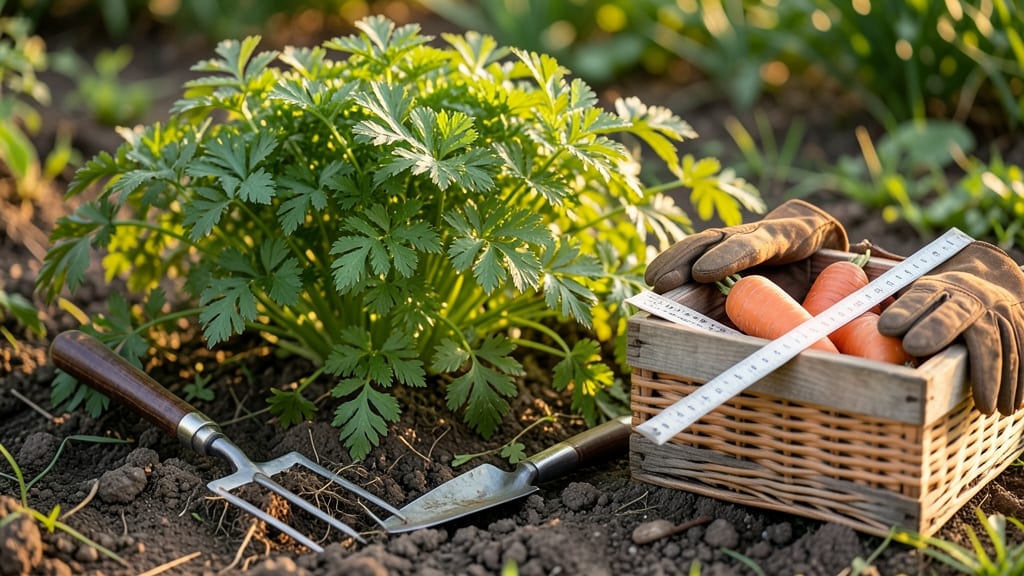
Harvesting spring-planted carrots at the right time means the difference between sweet, crisp roots and tough, bitter ones 🥕 — and most gardeners miss the window by weeks.
Spring-planted carrots can turn from bitter to sweet—or woody and tough—if harvested at the wrong time. Mastering the perfect moment ensures crisp, flavorful roots every season, but most gardeners miss key visual and tactile cues.
You’ll know it’s time when the tops reach 4-6 inches and the roots pull easily from the soil, but soil temperature and variety also play a role. Below, I’ll walk you through the exact signs to watch for, plus a foolproof soil probe test to check without digging.
Once you’ve mastered the timing, you’ll never waste another harvest—just 60-80 days after planting, depending on your zone and the variety you’re growing.
Signs carrots are ready for harvest: visual & tactile clues
Harvesting carrots at the perfect moment transforms your garden into a treasure trove of crisp, sweet roots. Most spring-planted varieties reach maturity between 60-80 days, but visual and tactile cues are far more reliable than counting days.
I’ve learned the hard way that ignoring these signs leads to either bitter, undersized carrots or woody, overgrown ones that crumble when cooked.
The first clue to watch for is the foliage color. Healthy carrot tops should be a vibrant deep green, not pale or yellowing. If the leaves start turning brown or wilt, you’ve likely waited too long.
For baby carrots, aim for 4-6 inch tall greens, while standard varieties may have taller, bushier tops by harvest time. Pay attention to the leaf edges too—ruffled or curled foliage can signal stress from over-maturity.
Here’s where most gardeners make their first mistake: relying solely on leaf height. The real magic happens underground. A carrot’s skin texture is your best friend—run your fingers over the exposed soil near the plant base. Ready carrots have smooth, firm skin that resists gentle pressure.
If the skin feels soft or punctures easily, they’re not ready yet. For heirloom varieties, I press lightly with my thumbnail; if it leaves no mark, the carrots are perfect.
🥕Pro Tip: Check for the "shoulder test" by gently brushing away soil around the carrot’s crown. If you see a 1-3 inch diameter (depending on variety) with a smooth, tapered shape, it’s harvest time.
Baby carrots may be ready at just 1 inch wide, while standard varieties can reach 2-3 inches.
| Sign | Description | Days to Maturity | Action |
|---|---|---|---|
| Foliage Color | Deep green leaves, 4-6 inches tall | 60-70 days | Check root size |
| Root Diameter | 1-3 inches (variety-dependent) | 65-80 days | Gently probe soil |
| Skin Texture | Firm, smooth, resists pressure | 70-80 days | Harvest immediately |
| Pull Test | Gently tugs free with slight resistance | 75+ days | Harvest entire plant |
| Warning Signs | Pale leaves, soft skin, or bitter taste | Any stage | Adjust water/fertilizer |
Timing your harvest isn’t just about size—it’s about flavor and texture. Carrots left too long in the ground develop a woody core that’s tough to chew, while those harvested too early lack sweetness.
I’ve found that morning harvests yield the crispest roots because the soil is cooler and firmer. If you’re harvesting in hot weather, do it in the early morning or late afternoon to prevent wilting.
For container-grown carrots, the rules are slightly different. Since space is limited, I often harvest them at 50-60 days when they reach 1 inch diameter. The soil probe test works here too—just be gentle to avoid damaging neighboring roots.
If your carrots are forking (splitting), harvest them immediately, even if undersized. Forking usually means the soil is too compact or has rocks, but the carrots are still edible when young.
One of my biggest lessons came when I ignored these signs and let my Nantes carrots grow past 80 days. The roots became hard and fibrous, and no amount of boiling could restore their sweetness.
Now, I set reminders for weekly checks starting at day 60. If I see even one carrot meeting the readiness criteria, I’ll harvest the whole batch to ensure consistency.
Don’t forget the soil probe test—this tactile method lets you check root depth without damaging the plant. Insert a pencil or dowel into the soil near the carrot’s base. If it meets resistance at 4-6 inches deep, the root is likely mature.
For baby carrots, aim for 2-3 inches of resistance. This test is especially useful in loose, sandy soils where visual cues are harder to spot.
🌱Regional Note: Southern gardeners may harvest 10-14 days earlier due to warmer soil temperatures, while northern climates might need the full 80 days. Always adjust based on your local last frost date and soil conditions. If your growing season is
The soil probe test: how to check carrot readiness without digging
Harvesting carrots at the perfect moment means the difference between sweet, crisp roots and tough, woody messes. The soil probe test lets you check root depth and firmness without digging up your entire patch. This simple method saves time and prevents damaging delicate roots while they grow.
Timing matters—morning is ideal for probing because soil is cooler and firmer, giving you a more accurate read. Avoid testing after heavy rain or when soil is dry, as both conditions can skew results. The test takes just minutes but ensures you harvest at peak flavor and texture.
You’ll need a soil probe (or a long screwdriver), a ruler, and a small trowel for backup. If you don’t have a probe, a sturdy wooden dowel will work in a pinch.
Select a representative plant—one with healthy greens and average size. Avoid edges of the bed where roots might be stunted. Mark the spot with a small stake so you don’t probe the same area twice.
Insert the probe 1-2 inches from the plant at a slight angle (about 30 degrees). Push firmly but steadily until you meet resistance—this is the root tip. Note how deep it is using your ruler.
Gently wiggle the probe. If the root resists movement and feels firm, it’s ready. If it slides easily, the carrot is still growing. For forked roots, probe multiple spots to assess uniformity.
If roots are 1-3 inches deep and firm, harvest within 2-3 days. For larger varieties, wait until they reach 3-4 inches. If soil is loose, use the trowel to lift carefully to avoid breaking roots.
Uneven depth? Check for soil compaction or rocky patches. Forked roots? Your soil may need more compost or deeper loosening before planting. Adjust future beds accordingly.
Probing also helps you avoid the common mistake of harvesting too late. Carrots left in the ground past their prime develop a woody core and bitter flavor. Once you’ve mastered the soil probe test, you’ll never guess again—just harvest with confidence!
For spring-planted varieties, aim to probe around 60-80 days after sowing, depending on your climate. In cooler regions, extend the timeline by 1-2 weeks. The key is consistency—probe the same spot weekly to track progress without disturbing growth.
🥕