
How To
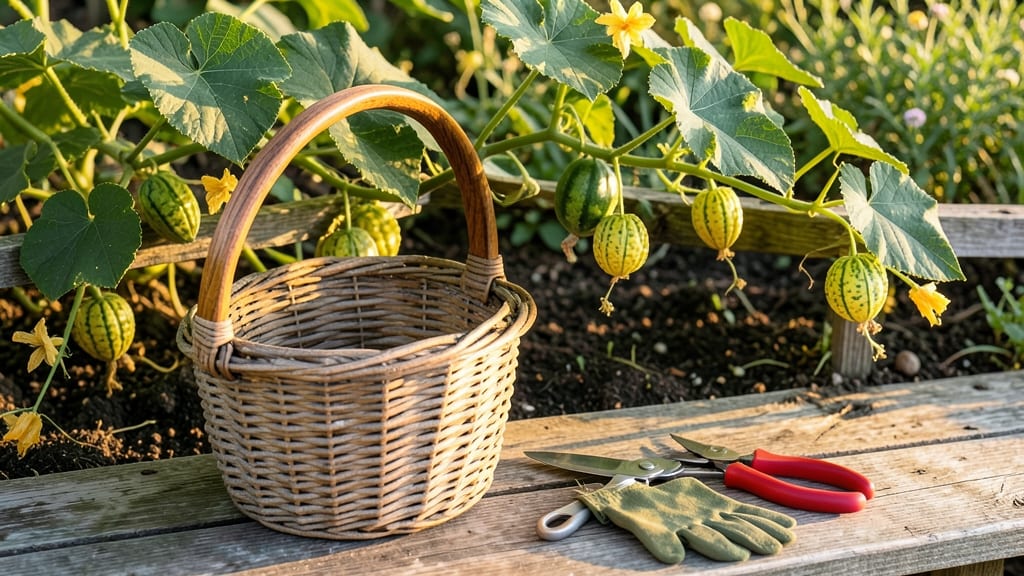
Harvest cucamelons when they're 1-2 inches long and the skin shifts from bright green to a yellowish-green or orange tint 🥒 — timing is everything for that perfect crunchy-sweet burst.
Picking too early means tough, seedy disappointment, while waiting too long turns them bitter and mushy. But master these 3 tactile tricks—color, size, and firmness—and you’ll nail the sweet spot every time.
Think of it like a flavor clock: the 60-day mark after flowering is your target window, but the real test is what happens when you gently squeeze one. Too hard? Not ready. Too soft? Overripe.
Below, I’ll walk you through how to read the cues, avoid common mistakes, and keep your vines producing crisp, flavorful cucamelons all season long.
How to identify perfectly ripe cucamelons by color, size, and texture
Cucamelons—those tiny, watermelon-shaped fruits—are a gardener’s delight when harvested at the perfect moment. But timing is everything! One day too early, and you’ll get hard, seedy bites. One day too late, and they turn bitter.
The key lies in mastering three simple cues: color shifts, size ranges, and texture tests. Let’s break down exactly what to look for to ensure your harvest is bursting with flavor.
First, focus on color changes—this is your most reliable indicator. When cucamelons first appear, they’re bright green, almost neon. But as they ripen, they develop a yellowish-green or golden-orange hue, especially on the side facing the sun.
Think of it like a tiny watermelon’s blush—subtle but unmistakable. Pro tip: The color shift often starts at the base and moves upward, so check the bottom of the fruit first.
Next, size matters. The ideal harvest window for cucamelons is when they’re 1 to 2 inches long. Any smaller, and they’re still tough and underdeveloped. Larger than 2 inches, and they risk becoming bitter or woody.
Measure a few fruits—consistency is key! If most are in this range, it’s time to pick. Remember, cucamelons grow quickly, so check your plants every 2-3 days during peak season.
Now, let’s talk texture, because this is where many gardeners go wrong. A perfectly ripe cucamelon should feel firm yet slightly soft when gently squeezed—like a ripe grape. If it’s rock-hard, it’s not ready.
If it feels mushy or squishy, it’s overripe. For the best taste, aim for a crisp yet yielding feel. This tactile test is your final green light to harvest.
🌱
| Ripeness Cue | Ideal Specification | What to Avoid |
|---|---|---|
| Color | Yellowish-green or orange hue (sun-exposed side) | Bright green or fully orange |
| Size | 1-2 inches long | Under 1 inch or over 2 inches |
| Texture | Firm but slightly soft (crisp-yielding) | Rock-hard or mushy |
| Detachment | Pulls away easily from vine | Sticks tightly to vine |
| Days After Flowering | 50-60 days | Under 50 or over 75 days |
Did you know cucamelons are at their sweetest when harvested in the morning? That’s because the fruits absorb moisture overnight, making them juicier and more flavorful. If you’re unsure about a fruit’s ripeness, try the taste test: slice one open.
A ripe cucamelon should be sweet, tangy, and slightly crunchy—like a cross between a cucumber and a watermelon. If it’s bitter or bland, it’s not ready.
One common mistake is waiting too long because you think bigger means better. But cucamelons are fast growers, and once they pass their prime, they degrade quickly. Overripe cucamelons develop a mealy texture and a bitter, almost soapy taste.
To avoid this, make harvesting a daily habit during peak season. A quick glance at your plants in the morning can save you from a disappointing bite.
For container gardeners, ripeness cues are just as important. Since space is limited, you’ll want to harvest frequently to encourage more production. Use small pruning shears or simply twist the fruit off the vine—no need to cut the stem.
And here’s a bonus tip: If a cucamelon falls to the ground before you harvest it, it’s likely overripe. Always pick them by hand for the best quality.
Finally, pay attention to the vine’s behavior. Healthy cucamelon vines produce flowers that turn into fruits within 50-60 days. If you notice new flowers but no fruits forming, it might be time to check for pollination issues or adjust your care routine.
But if fruits are plentiful and meeting our ripeness criteria, you’re on the right track!
🌿
Properly timed harvests don’t just improve flavor—they also boost your plant’s productivity. When you remove ripe cucamelons, you signal the vine to produce more. Plus, frequent harvesting reduces the risk of pests and diseases that thrive in overripe fruit.
So grab your basket, head to the garden, and start mastering those three secret cues. Your taste buds—and your cucamelon plants—will thank you!
3 Critical mistakes that ruin cucamelon harvests (and how to avoid them)
Even the most patient gardener can fall victim to bitter cucamelons, tough skins, or wasted effort from overripe fruit. These three common mistakes happen more often than you’d think—and they’re all avoidable with simple adjustments to your harvest timing and care routine.
First, many gardeners wait too long, letting fruits turn overripe and bitter. Others pick too early, resulting in underripe, tough cucamelons that lack flavor. Then there’s the silent killer: environmental stress from inconsistent watering or poor sunlight, which throws off ripening entirely.
⚠️ callout warning
⚠️ Harvest Too Late = Bitter Disaster
Cucamelons turn bitter and seedy within 24-48 hours past peak ripeness. Once they develop dark yellow-orange stripes and feel soft like jelly, they’re past their prime. Check daily during peak harvest season (July-Sept) to avoid this!
💡 Pro Tip: Use a twist-and-pull test—ripe cucamelons detach easily from the vine.
Mistake #1: Ignoring the color gradient. Many gardeners focus only on size, but yellow-green stripes are your best ripeness indicator. A bright green cucamelon is underripe, while deep orange means it’s overdone. Aim for 50% yellow-green coverage for perfect flavor.
Mistake #2: Inconsistent watering schedules throw off ripening. Cucamelons need consistent moisture—skipping water can cause uneven growth and tough skins. Water deeply every 2-3 days in summer, and always in the morning to prevent fungal issues.
Mistake #3: Harvesting at the wrong time of day. Heat stress makes cucamelons overripe faster when picked midday. Always harvest in the early morning when fruits are cool and firm. This simple habit extends freshness by 3-5 days after picking.
Fix these three issues, and you’ll enjoy crisp, sweet cucamelons all season long—no bitter surprises! The key is daily checks, consistent care, and timely harvesting based on color and texture, not just size. 🌱