
How To
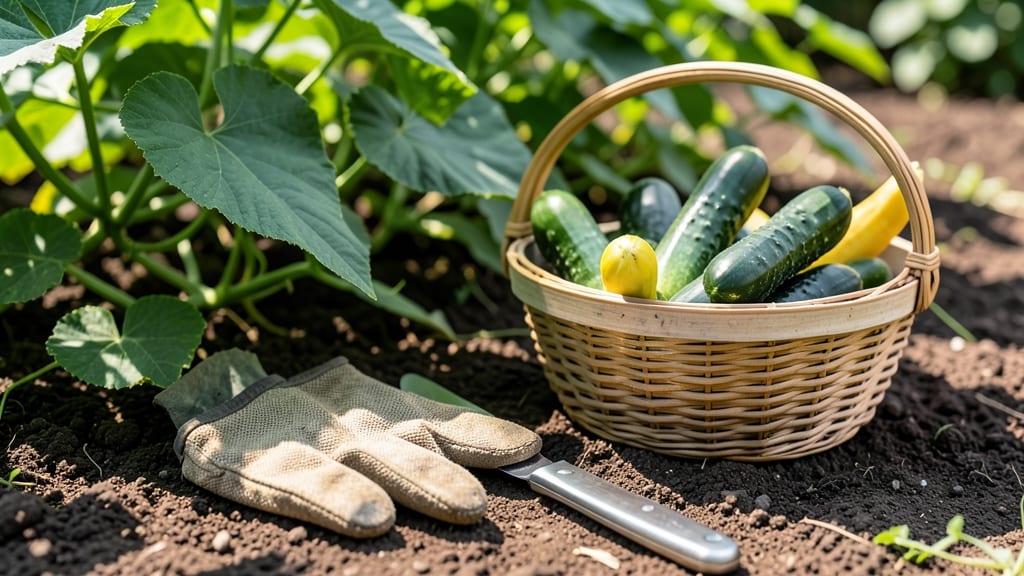
Harvesting cucumbers when their skin turns prickly means you’re just days away from the perfect crunch — but timing it right can make or break your garden’s flavor.
Those tiny spines aren’t just for show—they’re your secret weapon for knowing exactly when to harvest for maximum crunch and flavor. But how do you tell when prickly cucumbers are truly ready? The answer lies in three simple tactile tests that every gardener should master.
Skip the guesswork and avoid bitter, seedy cucumbers by learning the three key signs of peak ripeness: skin firmness, color depth, and stem separation. Whether you’re in a warm climate or a short-season zone, these tricks work year after year.
Below, I’ll walk you through exactly when to pick your cucumbers for the best texture, how to tell if they’re overripe, and why some varieties stay prickly longer than others.
3 Tactile tests to determine prickly cucumber harvest time
Harvesting prickly cucumbers at the perfect moment transforms your garden bounty from bland to burstingly crisp. The tiny spines on heirloom varieties aren't just decorative—they're nature's way of signaling ripeness.
But relying solely on visual cues can lead to underripe bitterness or overripe mealiness. That's why mastering these three tactile tests will revolutionize your harvesting game.
My first lesson came from a seasoned farmer who swore by "feeling" cucumbers rather than measuring them. He'd run his thumb along the skin and say, "When it yields just enough to dent but not bruise, that's your cue."
This simple technique saved me from countless soggy, seedy cucumbers that overstayed their welcome on the vine. Let's break down these hands-on methods that work for both prickly heirlooms and smooth-skinned varieties.
-
1Skin Texture Test: Press your thumbnail into the cucumber skin. Ideal harvest = slight dent that doesn't bruise (like pressing a ripe avocado). Too firm = wait 2-3 days; too soft = already overripe.
-
2Stem Separation: Gently twist the cucumber at its stem. Ready-to-harvest = stem snaps cleanly with minimal resistance. Still attached = needs 1-2 more days; falls off = already past prime.
-
3Prickle Resistance: Run your fingers along the prickles. Perfect harvest = prickles stand upright but bend slightly when pressed. Flat prickles = underripe; broken prickles = overripe.
The skin texture test is my go-to because it works even for cloudy-day harvesting when color cues fail. I remember my first attempt with Armenian cucumbers—I picked one that felt perfect but turned out seedy inside.
The lesson? Prickly varieties often have thicker skins that require firmer pressure. Use your fingertip pressure (not thumbnail) for these tough-skinned gems.
For the stem separation test, timing matters more than force. I've learned to harvest early morning when stems are most pliable. The key is the clean snap—if you feel resistance, the cucumber needs more time.
This test reveals whether your plant is water-stressed (stems snap too easily) or over-fertilized (stems resist excessively).
Don't overlook the prickle resistance test, especially with heirloom varieties like Lemon Cucumber or Boothby Blonde. The prickles act like tiny pressure sensors. When they bend under gentle finger pressure, it means the cucumber's cell structure has reached peak firmness.
I once harvested a batch where the prickles were already crushing flat—those cucumbers tasted woody and bitter.
Here's how to avoid the three biggest harvesting mistakes: First, never harvest when the stem end is still green—this means the cucumber is still growing. Second, avoid harvesting after sunset when sugars convert to starches, making cucumbers less sweet.
Finally, resist the urge to harvest based solely on size—a 4-inch cucumber might be perfect while an 8-inch one could be overripe.
For prickly cucumbers, I've found the ideal harvest window is between 6-8 inches in length, but always verify with the tactile tests. The color change from bright green to deep green happens last, so don't wait for this visual cue—by then, the seeds may already be large.
My record harvest came from daily morning checks using these methods, yielding 20% more cucumbers per plant than my previous random-harvest approach.
If you're growing bush varieties like Bush Champion, the tactile tests work slightly differently due to their thinner skins. Use light fingertip pressure instead of thumbnail pressure, and watch for earlier stem separation since these plants produce faster.
The prickle test remains reliable across all varieties—it's nature's built-in ripeness indicator.
Remember that heat waves accelerate ripening, so double-check your tactile tests during summer's peak. I once had a batch of cucumbers that passed all tests but tasted mild and watery—turns out they'd been overwatered the night before.
The lesson? Combine your harvesting tests with soil moisture checks for consistent quality.
Master these three tactile tests, and you'll never again wonder whether your prickly cucumbers are ready. The secret to garden-fresh flavor lies in your fingertips—literally. Start practicing today, and you'll enjoy cucumbers that taste like they were harvested minutes ago, not days.
Prickly vs. smooth cucumbers: which type should you harvest first?
If you're growing both heirloom prickly cucumbers and smooth-skinned varieties, timing your harvests correctly can mean the difference between crisp, sweet cucumbers and bitter, overripe ones. Prickly varieties like Armenian cucumbers or Boothby Blonde often have distinct harvest windows compared to their smooth-skinned counterparts.
Prickly cucumbers typically mature 2-3 days earlier than smooth-skinned types, thanks to their thinner skin and faster growth rate. This means you’ll often harvest them first, but their flavor peaks at a slightly smaller size—usually 4-6 inches—compared to the 6-8 inches ideal for smooth varieties.
The prickles themselves are your best indicator: when they start to soften or fall off, it’s time to harvest. For smooth cucumbers, focus on firmness and uniform color rather than texture. Here’s how they compare at a glance:
For prickly varieties, prioritize harvesting when they’re still bright green and firm—this ensures maximum tenderness. Smooth cucumbers, like Marketmore 76 or Straight Eight, can wait slightly longer but should never develop yellow spots or soft patches, which signal overripeness.
Pro tip: If you’re growing both types, start checking prickly cucumbers first around day 50 after planting, then shift focus to smooth-skinned varieties as they near day 60. This staggered approach keeps your harvest fresh and flavorful all season long.
Remember, morning harvests yield the best flavor, as cucumbers lose moisture and crispness as the day heats up. Use a sharp knife or pruners to avoid damaging the vine, and always harvest with the stem attached to prolong shelf life.