
How To
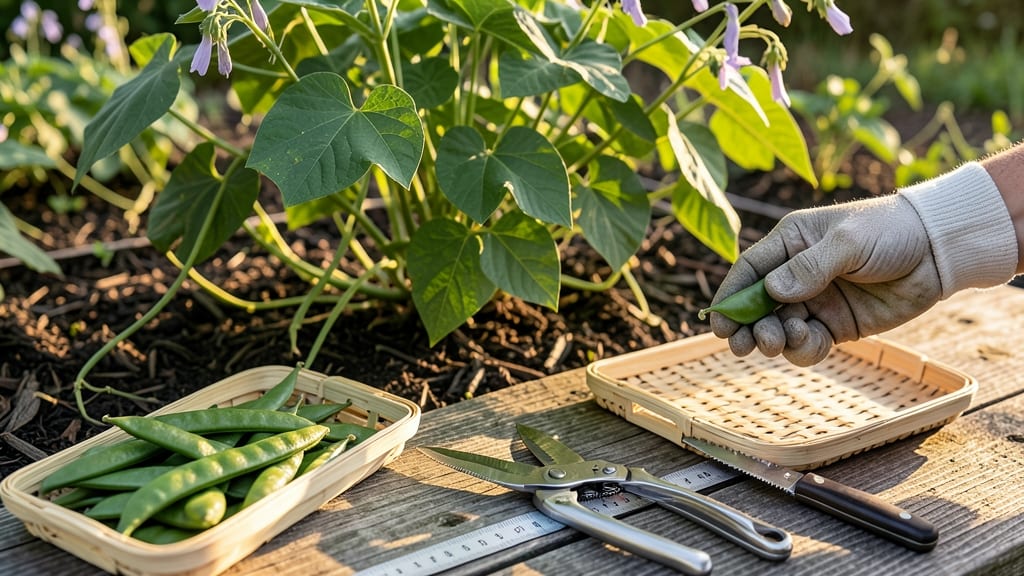
Harvesting dragon tongue beans at the right time turns your garden into a flavor factory 🌱—when pods crack open and seeds darken, you’ve hit the sweet spot.
Picture this: you’ve nurtured your Dragon Tongue Bean plants all spring, watching them climb and flourish, only to realize too late that waiting just a few days too long means tough, bitter pods instead of tender, sweet ones.
That’s why knowing the exact moment to harvest isn’t just about timing—it’s about unlocking the best flavor and yield from your plants.
Most gardeners miss the window because they focus on size alone, but the real clues are in the pod’s texture and color. A deep green, glossy shell that yields slightly when pressed?
That’s your cue. Meanwhile, seeds that are visible but still small signal peak freshness—wait too long, and those seeds will harden, turning your beans into a crunchy disappointment.
In this guide, I’ll walk you through the visual cues, regional tweaks (like Zone 6 timing), and even how to store your harvest so the sweetness lasts. No guesswork, just proven tips to make every pick your best one yet.
How to identify perfect harvest timing for Dragon Tongue beans
Dragon Tongue beans thrive when harvested at the right moment—too early, and they’re underdeveloped; too late, and they turn tough and bitter. The key lies in visual cues and physical indicators that show these beans are at their peak.
I’ve learned that paying attention to pod size, color, and seed development makes all the difference in flavor and texture. Let’s break down exactly what to look for to ensure you’re harvesting at the perfect time.
First, focus on pod length, which is one of the most reliable signs. Dragon Tongue beans are ready when pods reach 4 to 6 inches long. This is their ideal size for harvesting—any shorter, and the beans inside are still underdeveloped, while longer pods become fibrous and lose sweetness.
I always check pods against a ruler or my hand (about the length of a standard pencil) to gauge readiness.
| Indicator | Ready for Harvest? | What to Do |
|---|---|---|
| Pod Length | ✅ 4-6 inches | Harvest immediately |
| Pod Color | ✅ Deep green, glossy | Pick within 1-2 days |
| Pod Firmness | ✅ Firm but yields slightly | Harvest for best texture |
| Seed Development | ✅ Visible but not dark | Pick before seeds mature |
Next, examine the color of the pods. Ready-to-harvest Dragon Tongue beans will be a deep, vibrant green with a slight glossy sheen. If the pods start to turn yellow or develop brown spots, they’ve passed their prime and will taste bitter.
I’ve noticed that pods left too long on the vine also develop a dull, matte finish, which is another clear sign it’s time to harvest.
Don’t forget to check the pod’s firmness—this is a game-changer for texture. Gently press a pod between your fingers; it should feel firm yet slightly yielding, almost like a ripe cucumber. If it’s rock-hard, the beans inside are too small and underdeveloped.
On the flip side, if the pod feels spongy or squishy, it’s overripe and the beans will be tough and stringy. This simple touch test saves me from harvesting beans that aren’t ready.
Inside the pod, you’ll find another clue: the seed development. At the perfect harvest time, the seeds should be visible but not fully formed. They’ll look small and pale, almost translucent. If the seeds are dark and plump, the pod is overripe, and the beans will be woody.
I always cut open a pod or two to check the seeds—it’s worth the extra step to ensure you’re harvesting at the right moment for the best flavor.
Timing is everything when it comes to Dragon Tongue beans, and waiting too long can ruin the harvest. Overripe pods not only lose their sweetness but also develop bitter compounds that make them unpalatable.
I’ve learned this the hard way—once, I missed a harvest window, and the beans turned tough and bitter, no matter how I cooked them. Now, I set a reminder to check my plants every 2-3 days during peak harvest season to avoid this mistake.
Another pro tip I’ve picked up is to harvest early in the morning. This is when the pods are at their crispest and most flavorful, thanks to cooler temperatures. Plus, harvesting in the morning gives you a head start on enjoying your fresh beans or preserving them for later.
I always bring a small basket or container to the garden to avoid damaging the pods while picking.
If you’re growing Dragon Tongue beans in a hotter climate, they may mature faster. In these conditions, I’ve found that pods can be ready in as little as 50 days, whereas in cooler regions, it might take up to 75 days.
Keeping an eye on the weather and adjusting your harvest schedule accordingly ensures you don’t miss the window. For example, if a heatwave hits, I check the pods more frequently to avoid overripening.
Finally, remember that consistent harvesting encourages more production. Dragon Tongue beans are prolific, but they’ll keep producing as long as you keep picking the mature pods. I’ve seen my plants yield weeks longer when I harvest regularly compared to when I let pods go to seed.
It’s a small effort that pays off with a bountiful harvest all season long.
With these visual cues and physical indicators in mind, you’ll never miss the perfect moment to harvest Dragon Tongue beans again. The difference between a tender, sweet pod and a tough, bitter one comes down to timing—and now you’ve got all the tools to get it right every time.
Happy harvesting! 🌱
Common mistakes that ruin Dragon Tongue Bean harvests (and how to avoid them)
One of the biggest mistakes I see gardeners make with Dragon Tongue beans is waiting too long to harvest. These beans have a very short window of peak tenderness, and once they mature past 4-6 inches, they quickly become tough and bitter.
I’ve seen plants with overripe pods that are nearly inedible—hard as wood and filled with fully developed seeds.
Another common error is harvesting too infrequently, which stresses the plant and reduces future yields. Dragon Tongue beans produce continuously, so checking them every 2-3 days ensures you catch them at their sweetest.
I’ve had seasons where I missed this rhythm, and my plants just gave up producing new pods.
Environmental factors like high humidity or extreme heat can also ruin your harvest. In my USDA Zone 6 garden, the July heat waves often cause pods to mature faster than expected.
If you notice pods cracking open naturally, that’s a sign they’re overripe—time to pick them before the seeds darken completely.
⚠️ Harvest Too Late = Bitter Beans
Dragon Tongue beans turn tough and bitter when pods exceed 6 inches or seeds darken. If you see cracked pods or black seeds, you’ve missed the window. Harvest every 2-3 days to maintain sweetness and encourage more production.
Ignoring the pod color is another mistake. Ready-to-harvest pods should be a deep, glossy green. Pale or yellowish pods mean they’re underripe, while dull, matte pods signal overmaturity.
I once picked a batch of yellowing pods thinking they were ripe—only to find they were starchy and bland.
Finally, harvesting incorrectly can damage the plant. Always use clean pruners or fingers to snap pods cleanly at the stem. Twisting or tearing can harm the vine and invite pests.
I learned this the hard way when my first harvest left jagged stems that attracted aphids—now I always cut pods cleanly just above the node.
To avoid these mistakes, set a weekly reminder to check your plants and harvest only when pods are 4-6 inches, deep green, and firm but yielding. With consistent attention, you’ll enjoy a sweet, tender harvest all season long. 🌱