
How To
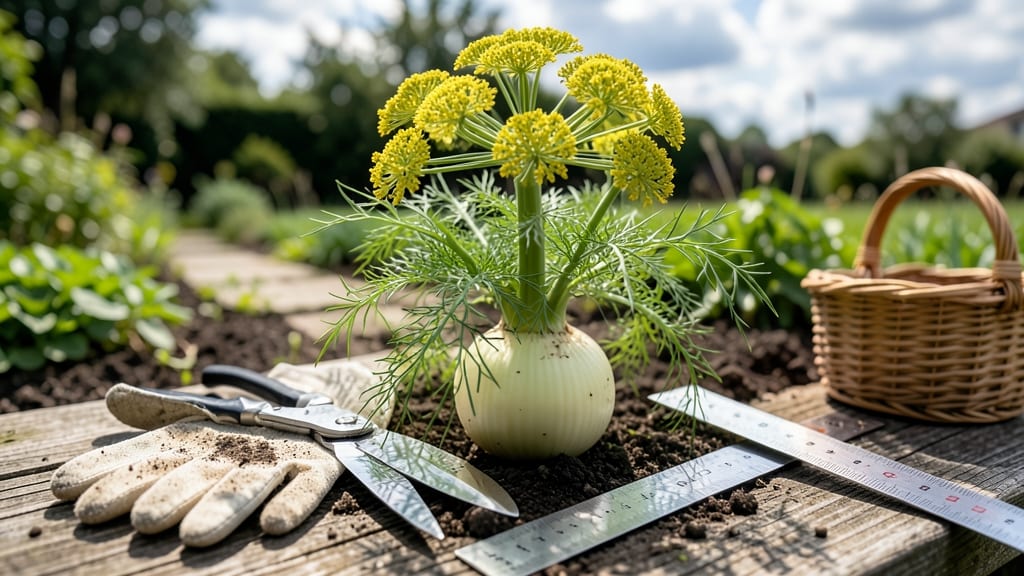
Harvesting fennel bulb at the right time ensures tender, sweet flavor instead of bitter, woody disappointment.
Picture this: you’ve nurtured your 🌿 fennel through spring, watching it grow from a tiny seedling to a sturdy plant. Now, the moment of truth arrives—when to pull it for the best taste. Get it wrong, and you’re left with a bulb that’s tough as a boot.
Most gardeners wait until the base reaches 3-4 inches in diameter, but the real secret lies in the leaves and flavor. A slight yellowing at the base or a gentle squeeze that yields firmness (not mush) confirms readiness. Miss these cues, and you’ll sacrifice sweetness for bitterness.
In this guide, I’ll walk you through the exact size to harvest, how to test for ripeness, and regional timing tips—so you never guess again and always enjoy that perfect fennel flavor.
Fennel bulb harvesting by base diameter: the exact size guide
Timing your fennel bulb harvest by base diameter is the secret to avoiding that dreaded woody, bitter flavor that turns gardeners away. Unlike many vegetables, fennel doesn’t soften with age—it hardens.
The sweet spot for harvesting fennel bulbs is when they measure between 3 to 4 inches in diameter at the base, where the bulb meets the soil. This size ensures maximum tenderness and flavor, making it ideal for both fresh eating and storage.
But here’s the catch: measuring fennel bulbs isn’t as straightforward as grabbing a ruler. The bulb’s circumference and thickness matter just as much as its width. A bulb that’s too thick but narrow might still be tough, while one that’s wide but flat could be past its prime.
I’ve found that using a tape measure or even a cooking ruler (if you’re handy in the kitchen) helps avoid guesswork. Just wrap it around the widest part of the bulb, right above where the leaves start to fan out.
Common mistakes can ruin your harvest. Many gardeners wait too long, thinking bigger is better—only to end up with a bulb that’s fibrous and pithy. Others harvest too early, missing out on the full anise-like sweetness fennel is known for. Even the leaf color can be misleading; while slight yellowing at the base is a good sign, fully brown or wilted leaves mean you’ve waited too long. Let’s break down the exact measurements you should aim for to avoid these pitfalls.
For a visual reference, imagine a softball-sized bulb—this is your target. If you’re growing Florence fennel (the most common variety for bulbs), aim for a bulb that’s roughly the size of a baseball glove.
Pro tip: Gently squeeze the bulb near the base. If it feels firm but yields slightly (like a ripe avocado), it’s ready. If it’s rock-hard, it’s past its prime; if it’s mushy, you’ve missed the window.
Regional differences can affect your harvest timing. In cooler climates (USDA Zones 3-5), fennel may take 10-14 days longer to reach harvest size due to slower growth. Meanwhile, in warmer zones (6-10), bulbs can mature faster, especially if planted in early spring or late summer.
I’ve noticed that fennel grown in containers also tends to mature slightly earlier than in-ground plants, so keep an eye on your measurements if you’re using pots.
One trick I swear by is the "finger test". Wrap your thumb and index finger around the bulb’s base. If they meet with a little room to spare (about 1/2 inch gap), your fennel is ready. This method works even if you don’t have a ruler handy.
Pair this with checking the leaf fronds: they should be lush and slightly drooping at the tips, not crisp and upright. Drooping indicates the plant is redirecting energy to the bulb, a sure sign it’s nearing harvest time.
Avoid harvesting fennel in extreme heat or cold snaps, as these conditions can stress the plant and alter its flavor. Early morning is the best time to harvest, when the bulb is cool and crisp.
Use a sharp knife or pruning shears to cut the bulb about 1 inch above the soil line. This leaves room for any remaining foliage to photosynthesize and support future growth if you’re growing fennel as a perennial in mild climates.
If you’re unsure whether your fennel is ready, don’t panic—you can always harvest a test bulb. Cut one bulb from the outer edge of the plant and taste it. If it’s sweet with a hint of licorice, you’re golden. If it’s bitter or fibrous, wait another
The flavor clock method: how to test fennel ripeness before harvest
Fennel bulbs develop complex flavors as they mature—too early, and they’re bland; too late, and they turn bitter. The flavor clock method lets you taste-test ripeness by combining visual cues with sensory checks.
Start by examining the leaf color and bulb firmness to narrow down the window, then confirm with a simple taste test.
Begin by gently squeezing the fennel bulb near the base. A ripe bulb will feel firm but yielding, like a ripe avocado—not rock-hard or mushy.
If it’s too soft, it’s overripe; if it’s hard, it needs more time. This tactile check is your first clue before digging deeper into flavor testing.
Step-by-Step Flavor Clock Test
-
1. Leaf Color Check
Look for slight yellowing at the base of the outer leaves. Fully green leaves mean it’s too early; crispy brown edges mean it’s past prime. -
2. Bulb Size Confirmation
Measure the base diameter—aim for 3-4 inches. Smaller bulbs (under 2 inches) lack sweetness; larger ones (over 5 inches) become woody. -
3. Taste Test
Snip a small leaf frond and chew it. Sweetness with a licorice-like aftertaste = ready. Bitter or grassy flavors = wait or harvest immediately. -
4. Final Firmness Test
Cut the bulb lengthwise to check for tight, white layers. Loose or brown layers signal overripeness. Use a sharp knife for clean cuts.
Timing matters most in mornings after watering, when flavors are most concentrated. Avoid harvesting after heavy rain, as excess moisture dulls the aromatic oils that define fennel’s taste. If your fennel is in USDA Zone 6a or warmer, aim for late summer (August-September) for peak sweetness.
Pro tip: Harvest fennel before the first frost (around October 15 in most regions). Even if the bulb isn’t perfect, frost turns fennel tough and pungent. Store harvested bulbs in a cool, dark place for up to 2 weeks to preserve their delicate flavors.
Remember, fennel’s flavor clock is your best tool—trust your senses over rigid timelines. The moment the bulb passes your taste test is the moment to harvest! 🌿