
How To
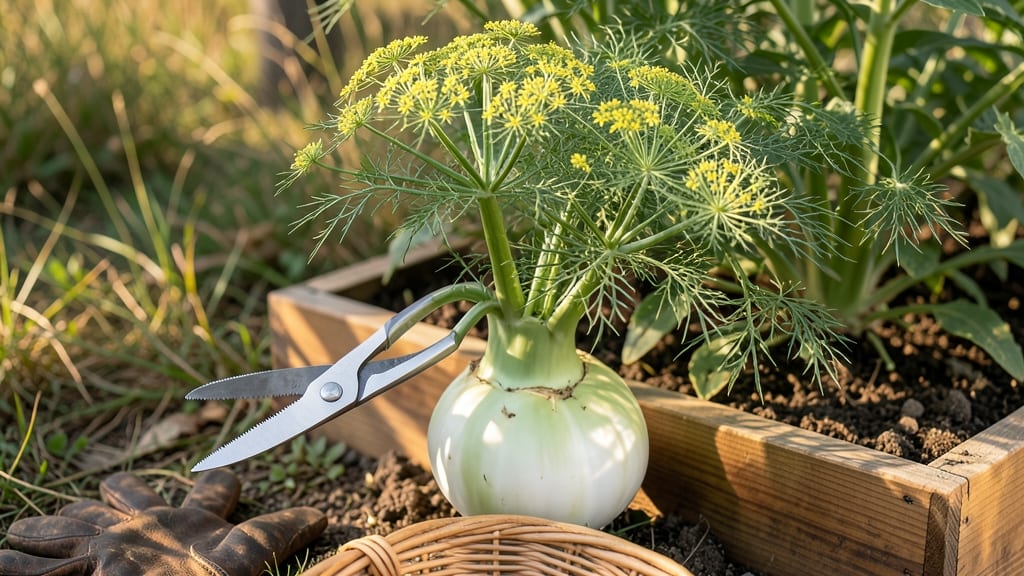
Harvest fennel when its bulb reaches 3-4 inches in diameter and the leaves begin turning yellow at the base—this is the sweet spot for peak flavor and crunch.
Picture this: your 🌿 fennel plant has spent months growing lush and green, but now the base leaves are drying out just a little. That’s your cue—ignore it, and you’ll end up with a tough, woody bulb that’s lost its signature anise kick.
Timing is everything, and missing this window means sacrificing the crisp texture and vibrant taste you’ve been waiting for.
Most gardeners in USDA Zone 6a can expect to harvest between July and September, but the real secret lies in watching the plant, not the calendar. A firm bulb with a strong aroma and slightly yellowing lower leaves?
That’s your ready signal. Too early, and you’re left with a small, underdeveloped harvest; too late, and you’re stuck with something that tastes more like a tough stalk than the fresh, sweet herb you love.
In this guide, I’ll walk you through the 3 key signs to look for, how to harvest without killing the plant, and what to do if you’ve already missed the window.
By the end, you’ll know exactly when to pull your fennel for the best flavor—and how to keep it fresh for weeks to come.
3 Visual signs your fennel bulb is ready for harvest
Harvesting fennel at the perfect moment transforms it from a simple herb into a flavor-packed kitchen staple. The difference between a crisp, sweet bulb and a tough, woody disappointment often comes down to timing.
Unlike many vegetables, fennel doesn’t give obvious external cues—you’ll need to pay close attention to three key visual signs to ensure peak harvest quality.
Fennel thrives in USDA Zone 6a and beyond, with ideal harvest windows spanning from July to September. But even within this range, missing the sweet spot can mean the difference between a delicate anise flavor and a bitter, fibrous texture.
Let’s break down the three foolproof indicators that your fennel is ready for harvest.
- Bulb Diameter: 3-4 inches wide (about the size of a softball). Smaller bulbs lack flavor, while larger ones become woody and tough.
- Leaf Color: Yellowing at the base of outer leaves, but still green at the tips. This signals maturity without overripeness.
- Stem Firmness: Compact and firm to the touch, with a slightly crisp resistance. Press gently—if it feels spongy or hollow, it’s past its prime.
Let’s start with the most obvious clue: bulb size. Fennel bulbs typically reach harvest readiness between 90 to 120 days after planting, but visual cues are more reliable than days alone. Aim for a 3- to 4-inch diameter—this is the sweet spot for both flavor and texture.
Bulbs smaller than 2 inches are underdeveloped and lack the distinctive anise aroma fennel is known for.
Next, examine the leaf color at the base of the plant. As fennel matures, the outer leaves near the bulb will begin to yellow and dry slightly, while the inner leaves remain vibrant green.
This color transition is your signal that the bulb is nearing peak ripeness. If the leaves are still fully lush and green, the bulb needs more time to develop its signature crisp texture.
Don’t overlook the stem thickness, which reveals the bulb’s internal readiness. A firm, compact stem indicates a well-developed bulb, while a hollow or soft stem suggests the fennel has passed its prime.
Gently squeeze the bulb—it should feel solid and slightly resistant, like a firm apple. If it feels spongy or hollow, it’s likely become woody and less flavorful.
One of my favorite tricks is to sniff the fennel before harvesting. A strong anise scent wafting from the bulb confirms it’s ready. This aroma is a natural indicator that the essential oils responsible for fennel’s unique flavor have fully developed.
If you detect little to no scent, the bulb needs more time in the ground.
Timing your harvest correctly also depends on your climate zone. In warmer zones (7-10), fennel may mature faster, while cooler zones (3-5) could extend the growing season. Always prioritize the visual signs over calendar dates—your fennel’s appearance will never steer you wrong.
If you’re growing fennel for both bulbs and seeds, watch for additional cues. The seed heads will turn brown and papery when fully mature, but the bulb itself will already be past its prime for eating.
For the best of both worlds, harvest the bulbs first when they reach 3-4 inches, then let the plant continue growing for seeds.
Once you’ve confirmed your fennel is ready, harvest it on a dry, sunny morning to preserve its crispness and flavor. Use a sharp knife or pruners to cut the bulb about 1 inch above the soil line.
This leaves enough energy in the plant to produce new leaves for future harvests, extending your fennel’s productivity.
Now that you know what to look for, you’ll never miss the perfect moment to harvest fennel again. The next time you’re kneeling in your garden, take a moment to observe these three signs—your taste buds will thank you for the crisp, flavorful bulbs you’ll bring to your kitchen.
Happy harvesting! 🌿
How to harvest fennel without sacrificing regrowth potential
Harvesting fennel the right way ensures you get the best flavor while keeping your plant healthy for future harvests. Unlike many herbs, fennel continues producing leaves even after bulb harvest—if you cut it properly.
The key is precision: too aggressive, and you stunt regrowth; too gentle, and you risk flavor loss. I’ll show you how to balance both for a continuous harvest all season.
Start by using clean, sharp pruning shears to make clean cuts that heal quickly. Avoid pulling or tearing leaves, as this damages the plant’s vascular system. Focus on cutting outer leaves first to preserve the plant’s energy for regrowth.
This method lets you enjoy fresh fennel while encouraging new growth from the center. Let’s break it down step-by-step for flawless execution.
Select outer leaves that are fully mature (3-4 inches long) and show signs of yellowing at the base. Avoid cutting leaves still in their growth phase—these are critical for photosynthesis.
Use sterilized pruning shears to cut leaves at a 45-degree angle, about 1 inch above a leaf node. This prevents water from pooling and reduces disease risk.
For bulb fennel, wait until the bulb reaches 3-4 inches wide and feels firm. Cut the entire plant at the base with shears, leaving a 1-inch stem to encourage regrowth.
After cutting, water deeply to reduce stress. Apply a balanced fertilizer (5-10-10) to replenish nutrients. Mulch around the base to retain moisture and protect new growth.
New leaves should emerge within 2-3 weeks. If growth stalls, check for pests or nutrient deficiencies. Repeat the harvesting process every 4-6 weeks for a steady supply.
If you’re harvesting fennel seeds, wait until the plant’s flowers turn brown and the seed heads feel dry. Cut the entire seed stalk and hang it upside down in a dry, dark place for 2 weeks to fully dry.
Once dry, rub the seeds free and store them in an airtight container. This method preserves seeds for next year’s planting while still allowing leaf regrowth from the base.
Timing your harvests right means you’ll enjoy crisp, flavorful fennel all season without sacrificing future yields. Start with the outer leaves, then move to the bulb, and finally the seeds—each stage offers a different harvest opportunity.
With these techniques, your fennel plant will reward you with abundant regrowth and continuous harvests. 🌿
Pro tip: Label your fennel plants if you’re growing multiple varieties. Florence fennel (bulb type) and bronze fennel (leaf type) have different harvest priorities. Florence needs bulb focus, while bronze prioritizes leaf cuts. Keeping them separate ensures you optimize each variety’s potential. ✂️