
How To
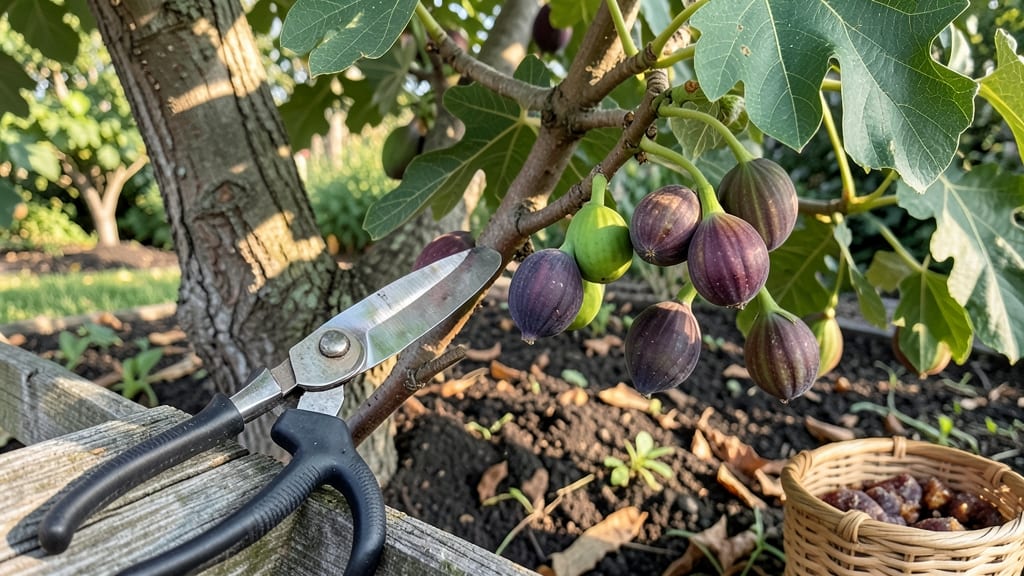
Harvesting figs at the right time means the difference between a burst of sweet, honey-like flavor and a mealy, underripe disappointment.
Picture this: you’ve spent months tending to your 🍇 tree, and now the moment of truth arrives. How do you know when those plump fruits are ready to pick? The answer isn’t just about color—it’s about three simple tactile tests most gardeners miss until they’ve already overripe a batch.
In USDA Zone 6, where figs ripen between July and October, timing is everything. A fig that’s too early is tough and bland; too late, and it turns mushy or attracts pests. But with the right cues—like skin softness, stem separation, and color shifts—you’ll never guess again.
Below, I’ll walk you through the exact steps to test ripeness, regional adjustments for warmer or cooler climates, and what to do if you’ve already missed the window. No more wasted fruit!
3 Tactile tests to determine fig ripeness before harvesting
Figs ripen quickly, and knowing the exact moment to pick them transforms your harvest from mealy and bland to bursting with sweetness. Unlike many fruits, figs don't ripen well after picking, so timing is everything.
The secret? Trust your eyes and hands—three simple tests will tell you when your figs are ready to enjoy.
First, let's address the visual cues most gardeners rely on. Figs often change color dramatically as they mature—from green to deep purple, brown, or yellow, depending on the variety.
But color alone isn't enough. That's where the tactile tests come in. These hands-on checks ensure you're harvesting at peak ripeness, not just guessing based on appearance.
Look for deepened hues—purple, brown, or yellow—covering 75% of the fig. Avoid picking if the color change is patchy or incomplete.
Gently tug the fig away from the branch. If it detaches easily with a slight twist, it’s ready. If it resists, wait 1-2 days.
Squeeze the fig gently near the stem. It should yield slightly—like pressing a ripe avocado—but not feel mushy. Overripe figs will crush under pressure.
Let’s start with the skin color test, the most obvious but often misunderstood cue. Figs like Black Mission or Brown Turkey develop a rich, uniform color when ripe. For example, Black Mission figs turn from green to deep purple, while Brown Turkey varieties shift to a warm brown.
Pro tip: Check the underside of the fig—if it’s fully colored, it’s likely ready.
Next, the stem separation test is where many gardeners go wrong. A ripe fig should detach with minimal force. Here’s how to do it right: Place your thumb and index finger on either side of the fig’s stem and gently twist.
If the fig comes off cleanly, it’s ready. If the stem snaps or the fig resists, it needs more time. This test is especially critical for container-grown figs, which often ripen faster than those in the ground.
The finger pressure test is my favorite because it’s foolproof. Press your fingertip into the fig’s skin near the stem. A ripe fig will give just slightly—like pressing a ripe peach. If it feels firm and unyielding, it’s not ready.
If it feels mushy or squishy, it’s overripe. This test works best in the morning, when figs are coolest and firmest.
Timing matters even more if you’re growing fig varieties with multiple harvests, like Celeste or Desert King. These figs produce two crops per season, and each wave requires slightly different tactile cues.
For the first flush, focus on the stem separation test. For the second, prioritize the finger pressure test since these figs tend to soften faster.
One common mistake is harvesting figs based on size alone. A fig can be large but still hard and unripe, or small but perfectly sweet. Always combine the three tactile tests for accuracy.
For instance, a Black Mission fig might be purple but still hard—wait until it yields to gentle pressure before picking.
If you miss the window, don’t panic. Overripe figs can still be used in jams, baked goods, or dried, but their flavor won’t be as vibrant.
To extend their shelf life, store harvested figs in the fridge for up to 5 days or freeze them whole for up to 6 months. For immediate enjoyment, eat them within hours of picking—they’re at their peak sweetness then.
Pro gardeners swear by one extra trick: harvest in the morning. Figs are coolest then, making the tactile tests more reliable. Plus, morning-picked figs taste fresher and sweeter because they haven’t been exposed to the day’s heat.
If you’re unsure, pick a few figs and let them sit at room temperature. If they soften and sweeten within 24 hours, they were ready.
Remember, every fig variety has its quirks. Green figs like Sicilian or Violette de Bordeaux might ripen to yellow or pink, while brown figs like Osborn Prolific develop a russet hue.
The tactile tests work universally, but always cross-reference with your fig’s specific traits. With practice, you’ll develop a sixth sense for fig ripeness—no guesswork required.
How climate and variety affect fig harvest timing
Fig trees thrive in warm climates like USDA Zones 8-11, where they produce fruit year-round or in extended seasons. In cooler zones (6-7), figs ripen later—often between late summer and early fall—due to shorter growing seasons.
Your local climate dictates not just timing but also which varieties will flourish, making variety selection just as critical as harvest planning.
For example, Black Mission figs ripen earliest in warm zones, often by mid-summer, while Brown Turkey varieties mature later, stretching into fall. In Zone 6, even heat-loving varieties like Celeste may need protection from early frosts, delaying harvests until September or October.
Understanding these regional patterns ensures you don’t miss peak ripeness—or worse, harvest too late and lose your crop to pests or frost.
In warm climates (Zones 8-11), figs often produce two harvests per year: a primary crop in summer and a secondary crop in fall. The first flush of figs—called breba figs—ripens first on 2-year-old wood, while the main crop develops on new growth.
In contrast, cooler climates (Zones 5-7) may only yield one harvest, and varieties like Osborn Prolific are chosen for their cold hardiness. Always monitor your tree’s growth cycle, as heatwaves or late frosts can shift ripening windows unpredictably.
To create your own seasonal harvest calendar, note the first signs of ripening—like color changes or stem softeningZone 9, I start checking Black Mission figs in June, while in Zone 6, I wait until mid-August for Brown Turkey varieties.
Use a small notebook or phone reminders to log when figs detach easily from branches, as this is your best indicator of readiness. Adjust your schedule yearly based on weather patterns, and don’t hesitate to harvest slightly underripe figs if frost threatens—they’ll ripen indoors at room temperature.
Regional microclimates also play a role. For instance, coastal areas with mild winters may see figs ripen 2-4 weeks earlier than inland regions. If you’re in a transition zone (e.g., Zone 7), consider planting heat-tolerant varieties like Desert King near a south-facing wall to extend the growing season.
By aligning your variety choice with your climate, you’ll maximize yield and enjoy fresher, sweeter figs straight from your tree.
Remember, patience is key. Figs won’t ripen further once picked, so wait until at least 70% of the fruit shows ripeness cues before harvesting. In hot, dry climates, figs may ripen faster, while cool, wet summers can delay maturity.
Stay attuned to your tree’s signals, and you’ll never miss a harvest window again. 🍇