
Picking
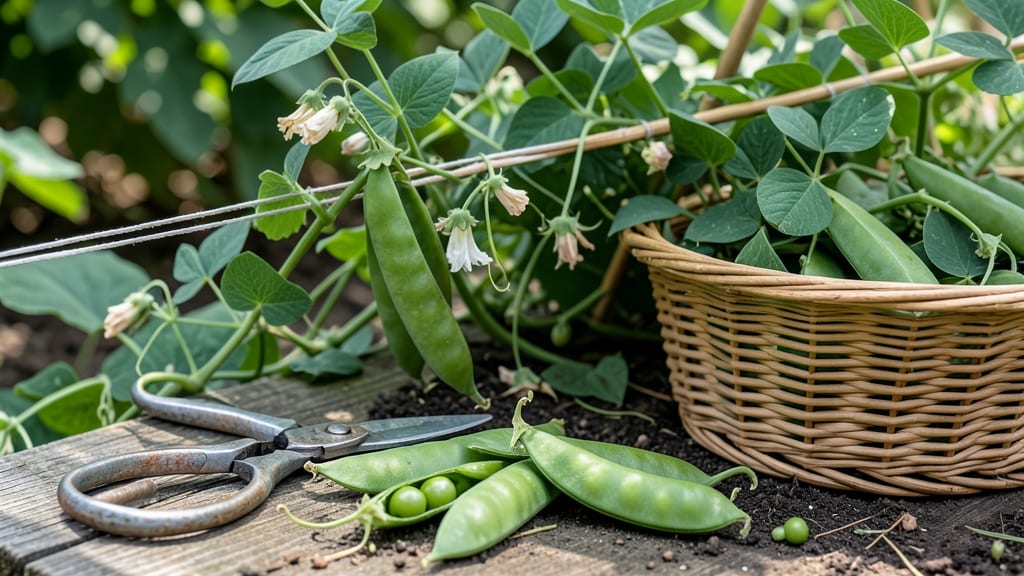
Harvesting garden peas at 60-70 days means the difference between sweet, tender pods and tough, mealy ones—so timing is everything.
Picking garden peas at the wrong time means sacrificing sweetness for toughness—so how do you know when those pods are finally ready? The answer lies in a simple trick that even beginner gardeners can master.
A firm snap when gently squeezed signals peak flavor, while waiting too long turns them into woody shells.
Most varieties reach harvest time in May or June in Zone 6a, but regional weather shifts those windows. Morning harvests often yield sweeter peas than evening ones, thanks to cooler temperatures preserving their freshness. Regular checks prevent overgrowth, ensuring you get the most from your 🌱 garden pea plants.
Below, I’ll walk you through the snap test, how to spot overripe pods, and how to extend your harvest season—so you never miss the perfect moment again.
How to use the snap test to determine perfect pea harvest time
There's nothing like the fresh, sweet crunch of a perfectly ripe garden pea straight from your vine. But timing your harvest wrong means ending up with tough, stringy pods instead.
The snap test is the foolproof method I rely on every year to guarantee peak flavor. This simple technique combines visual cues with a tactile check—no fancy tools required!
The snap test isn't just about pod size (though that matters). It's about texture and maturity working together. When you master this trick, you'll know exactly when to harvest for maximum sweetness versus when those peas have passed their prime.
The best part? It works for shelling peas, snap peas, and snow peas alike with just slight adjustments.
Choose a mature pod
Pick a pod that's 2-2.5 inches long and bright green. Avoid pods that are still tiny (<1.5 inches) or already showing yellowing.
Hold the pod between thumb and forefinger
Grip the pod about 1 inch from the stem. Apply gentle pressure—don't squeeze too hard, or you'll crush it.
Give it a firm snap
Bend the pod quickly away from the vine. A clean snap means it's ready. If it bends without snapping, wait 1-2 days. If it feels mushy or cracks, it's overripe.
Check the seeds inside
Open the pod to confirm seeds are small and pea-sized. If seeds fill most of the pod, harvest immediately—these peas will turn mealy and tough within 24 hours.
Harvest in the morning
Peas taste sweeter and crunchier when harvested in cool morning hours. Avoid picking after hot afternoons, as heat reduces sugar content and makes pods stringy faster.
Timing your harvest is just as critical as the snap test. For shelling peas, aim to pick every 2-3 days once pods reach size. Snap peas and snow peas need harvesting every 1-2 days to prevent overmaturity.
Pro tip: Use sharp scissors or pruners to avoid damaging vines—this encourages more production!
Even with the snap test, regional climate plays a role. In hotter zones (8+), peas mature faster—sometimes in just 50-60 days. In cooler zones (5 or below), they may take 70-80 days.
Always adjust your harvest schedule based on your local last frost date and average temperatures.
One common mistake I see is waiting too long for "bigger" peas. Larger pods don't mean sweeter peas—they mean tougher texture and less flavor. The snap test's tactile feedback trains your hands to recognize the perfect moment, even if pods aren't the longest on the vine.
For extended harvests, try the "succession planting" trick: Sow new seeds every 2 weeks in early spring. This ensures a steady supply of fresh, snappy peas for 6-8 weeks. Pair this with the snap test, and you'll have homegrown peas at their peak all season long!
Remember, the snap test works best when combined with visual checks. Look for bright green, glossy pods with no blemishes. If you see yellowing or wrinkled pods, it's a sign to harvest immediately—these peas won't improve, and their flavor will decline rapidly.
With practice, you'll develop an instinct for when to pick, making your pea harvest the jealousy-inducing highlight of your garden!
Pea variety harvest times: when to pick sugar snaps vs. shelling peas
Not all peas are harvested the same way—sugar snap peas, snow peas, and shelling peas each have their own perfect timing. Picking too early means small yields, while waiting too long turns sweet pods into tough, stringy messes.
The key? Knowing the subtle differences between these varieties and their ideal harvest cues.
For sugar snap peas, harvest when pods are 2-3 inches long and still crisp. Their thick pods should snap cleanly when bent—hence the name! Shelling peas, on the other hand, need slightly larger pods (2.5-3 inches) with fully developed peas inside but before the pods turn yellow.
Climate plays a huge role too. Cooler spring weather speeds up maturity, while hot summers can slow growth. Monitor pods daily during peak harvest season (typically 60-80 days after planting) to avoid missing the window.
| Variety | Ideal Pod Size | Color Indicator | Shell Thickness | Days to Harvest |
|---|---|---|---|---|
| Sugar Snap Peas | 2-3 inches | Bright green | Thick | 60-70 days |
| Snow Peas | 2-2.5 inches | Vibrant green | Thin | 65-75 days |
| Shelling Peas | 2.5-3 inches | Slightly dull green | Medium | 70-80 days |
Snow peas are trickier—they must be picked when pods are flat and 2-2.5 inches long, with seeds just starting to form. Their thin shells mean they lose sweetness fast if left on the vine. Harvest in the morning for the freshest flavor, as daytime heat can make pods tougher.
If you're growing multiple varieties, prioritize shelling peas first since they take longest to mature. Use a small knife or scissors to snip stems cleanly, leaving the plant undamaged for continued production. Never pull pods off—this can harm the vine.
Pro tip: Check pods every 2-3 days during peak season. Overripe peas develop mealy textures and shriveled pods—signs you’ve missed the window. For extended harvests, succession plant varieties every 2 weeks to stagger maturity.