
Picking
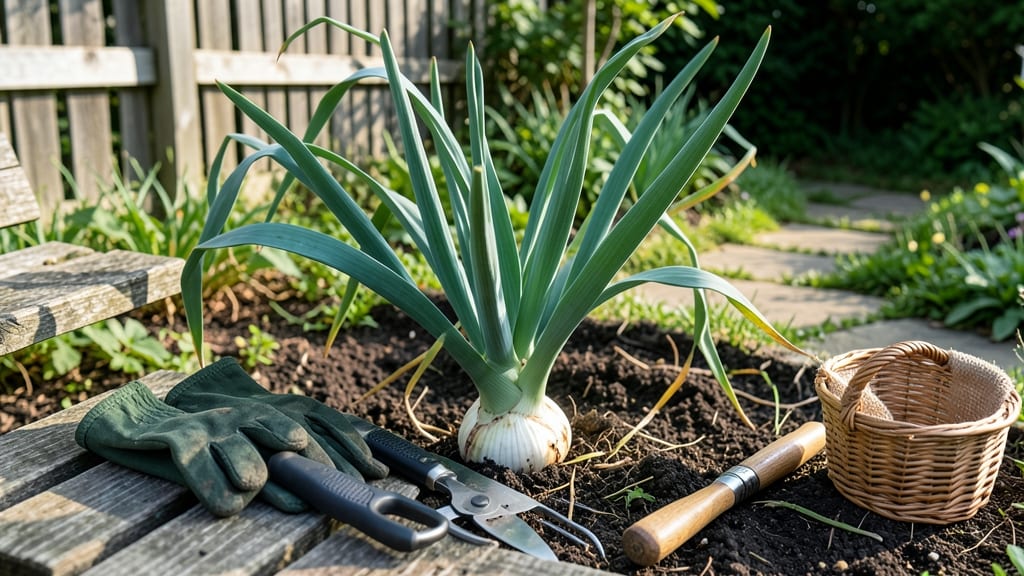
Harvesting garlic in Georgia at the right time ensures bold flavor and perfect storage—typically between late April and early June, depending on the variety.
Georgia’s warm climate and rich soil make it a garlic grower’s paradise—but timing your harvest wrong can mean the difference between bold, papery-skinned bulbs and soft, moldy disappointments.
Most gardeners in zones 7b-8b focus on two key moments: cutting scapes in late April and harvesting bulbs in late May or early June. Miss the window, and you risk losing flavor or even the entire crop.
Below, I’ll walk you through the exact signs to watch for—from leaf browning to bulb firmness—and how to cure and store your harvest for months of fresh flavor.
When to harvest garlic scapes in Georgia (and why it matters)
Georgia’s warm climate and rich soil create perfect conditions for growing garlic—but the real secret to success lies in timing. Harvesting garlic scapes at the right moment not only boosts your bulb size but also gives you a flavorful bonus for the kitchen.
In Georgia’s USDA zones 7b-8b, scapes typically appear in late April, signaling it’s time to act.
Scapes are those curly, green stems that sprout from the center of your garlic plant. If left unchecked, they’ll divert energy away from your bulbs, resulting in smaller harvests.
By cutting them back, you’re essentially telling your garlic plant to focus on growing those bold, papery-skinned bulbs we all love. But when exactly should you make the cut?
Here’s what you need to know about harvesting garlic scapes in Georgia, including visual cues and the best practices to maximize your harvest.
5 Key Steps to Harvest Garlic Scapes in Georgia
- 🌱 Step 1: Watch for Curling
Scapes begin as straight stems but will start to curl into a loop. This usually happens in late April to early May in Georgia. - 🌿 Step 2: Check Stem Length
Ideal scapes are about 8-12 inches long. If they’re shorter, wait a few days; if they’re longer, they may have already started diverting energy from your bulbs. - ✂️ Step 3: Use Clean Tools
Use a sharp pair of pruners or scissors to cut the scape about 1-2 inches above the garlic bulb. Avoid tearing the stem. - ☀️ Step 4: Harvest on a Dry Day
Choose a sunny, dry morning to harvest. This helps prevent disease and ensures your scapes stay fresh longer. - 🌡️ Step 5: Boost Bulb Growth
After cutting, your garlic plant will redirect energy to the bulb, resulting in larger, more flavorful cloves by harvest time.
Pro Tip: Save your scapes! They’re delicious in pesto, stir-fries, or even grilled.
Harvesting scapes isn’t just about timing—it’s also about climate awareness. In Georgia’s Coastal Plain, scapes may appear slightly earlier than in the Piedmont or Mountain regions. Pay attention to your local microclimate and adjust accordingly.
For example, if you’re in Athens (Zone 8a), you might see scapes as early as mid-April, while Blairsville (Zone 7a) could be a week or two later.
Once you’ve harvested your scapes, don’t toss them! These flavorful stems are packed with garlic goodness and can be used in a variety of dishes. Try sautéing them with olive oil and garlic for a quick side dish, or blend them into a homemade pesto.
The key is to use them fresh—they’ll wilt quickly, so enjoy them within a few days of harvesting.
After cutting the scapes, your garlic plant will focus on bulb development. This is when you’ll want to reduce watering slightly to encourage the bulbs to mature. Overwatering at this stage can lead to soft, moldy bulbs, which is the last thing you want after all your hard work.
Aim for deep but infrequent watering, about once a week, unless you’ve had recent rainfall.
One common mistake Georgia gardeners make is waiting too long to harvest scapes. If you let them grow too long, they’ll start to flower and seed, which weakens the bulb. Keep an eye on your plants and act as soon as you see that first curl.
The earlier you harvest, the more energy your garlic plant will have to produce large, high-quality bulbs by harvest season.
If you’re growing hardneck garlic, which is more common in Georgia, harvesting scapes is especially beneficial. Hardnecks are known for their bold flavor and large cloves, but they need that extra energy boost from scape removal.
Softneck varieties, while delicious, don’t benefit as much from scape harvesting, so you can leave them be if you prefer.
Finally, remember that harvest timing is everything when it comes to garlic. By mastering the art of scape harvesting in Georgia, you’ll set yourself up for a bountiful bulb harvest later in the season.
Keep your eyes peeled for those curly stems, and don’t hesitate to grab your pruners—your future garlic harvest will thank you!
Exact timing for harvesting garlic bulbs in Georgia (hardneck vs softneck)
Georgia’s hardneck and softneck garlic varieties thrive in our USDA Zones 7b-8b, but their harvest windows differ dramatically. Hardnecks—like 'Music' or 'Chesnok Red'—reach peak readiness late May to early June when lower leaves brown and crisp.
Softnecks, such as 'Silverskin' or 'Artichoke', mature later, typically June to July, as they store energy for longer storage. Missing these windows risks shriveled bulbs or premature sprouting.
Your first clue is leaf color: when 50-60% of lower leaves turn straw-colored and papery, it’s time to act. Hardnecks often show this 2-3 weeks earlier than softnecks due to their faster growth cycle.
For both types, gently lift a bulb to check—if it’s firm and dry with minimal soil clinging, it’s ready. Waiting too long lets bulbs split or sprout, ruining storage potential.
| Variety Type | Georgia-Specific Examples | Harvest Window | Key Readiness Signs | Post-Harvest Storage Life |
|---|---|---|---|---|
| Hardneck | Music, Chesnok Red, German White | Late May–Early June | 50% brown lower leaves, firm bulbs | 6–8 months (best for roasting) |
| Softneck | Silverskin, Artichoke, Creole | June–July | 60% brown leaves, papery skins | 9–12 months (ideal for braiding) |
Weather plays a critical role in Georgia’s harvest timing. If hot, dry spells hit before bulbs mature, they’ll shrink and toughen. Monitor soil moisture—garlic needs consistent but not soggy conditions. Reduce watering 2 weeks before harvest to toughen skins and prevent rotting.
For hardnecks, a light frost (common in late May) can trigger bulb maturation, while softnecks often need warmer June temps to finish.
Once you harvest, don’t wash bulbs—let them cure in shade for 2-3 weeks to develop papery skins. Bundle stems and hang in a dry, dark spot with good airflow (like a garage or shed).
Georgia’s humid summers demand extra vigilance—check weekly for mold or sprouting. Hardnecks store best in mesh bags, while softnecks can be braided for decorative storage.
Pro tip: Test a few bulbs early in the season to refine your timing. For example, 'Chesnok Red' (a hardneck) often matures 10 days earlier than 'Silverskin' in Georgia’s Piedmont region. Adjust based on your microclimate—cooler mountain areas may delay harvest by 1-2 weeks compared to the Coastal Plain.
Timing your harvest correctly ensures bold flavor and long storage. Whether you’re growing hardnecks for roasting or softnecks for braiding, Georgia’s climate rewards precise attention to leaf color, bulb firmness, and weather cues.
Miss the window, and you’ll end up with shriveled, pungent disappointments—but nail it, and you’ll have paper-thin, aromatic bulbs all winter. 🧄