
How To
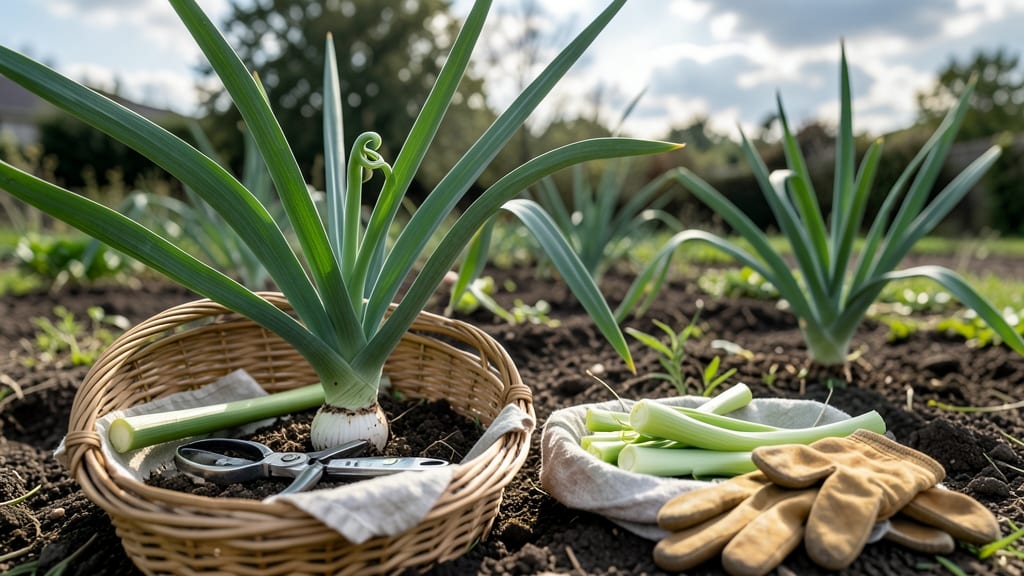
Harvesting garlic scapes when they form a tight curl or loop is the key to bigger bulbs and flavorful greens 🧄—don’t wait too long, or you’ll miss your chance.
If your garlic plants are sprouting curly, green stalks—called scapes—you’re sitting on a gardening goldmine. These twisting shoots aren’t just edible; they’re a signal that your garlic is thriving, and cutting them at the right moment sends more energy to the bulb below.
Most gardeners in Zone 6a should harvest scapes in late spring to early summer, when they’re 8 to 12 inches long and still firm. The exact timing depends on your region, but the golden rule is: the tighter the curl, the better the harvest.
In this guide, I’ll walk you through how to spot the perfect moment, what happens if you wait too long, and the simple steps to cut scapes without hurting your garlic’s future growth.
How to identify the perfect time to harvest garlic scapes
Harvesting garlic scapes at the right moment is a delicate balance—cut too early, and you miss out on flavorful greens; wait too long, and your garlic bulbs won’t grow as large.
The ideal time falls in late spring to early summer, typically between June and July in most regions, when temperatures hover around 70-80°F. This window ensures your scapes are mature enough to harvest but still allows the bulb to develop fully.
To determine readiness, focus on three key visual cues: the scape’s curl formation, its length, and its firmness. A well-timed harvest not only gives you delicious scapes to use in cooking but also redirects the plant’s energy back into growing bigger, more robust garlic bulbs.
Missing this window can reduce your bulb size by up to 30%, so pay close attention to these signals.
🌱 5 Key Signs Your Garlic Scapes Are Ready to Harvest
- 🌀 1. Tight Curl Formation: The scape forms a full loop or spiral, typically 3-5 inches wide. This indicates it’s stopped growing upward and is ready to be redirected.
- 📏 2. Ideal Length: Scapes should be 8-12 inches long when harvested. Longer scapes may signal overmaturity, which can weaken the bulb.
- 💚 3. Vibrant Green Color: The scape should be bright green and firm, not yellowing or woody. Yellowing means it’s past its prime.
- ✂️ 4. Easy Stem Separation: Gently tug the scape—if it pulls away cleanly from the stem, it’s ready. Resistance suggests it’s not fully mature.
- ☀️ 5. Temperature Threshold: Harvest when daytime temps are consistently above 60°F but before heat stress sets in (above 85°F).
💡 Pro Tip: Use a sharp pair of pruning shears to cut scapes 1-2 inches above the bulb. This prevents damage to the main plant and encourages bulb growth.
Regional variations play a role in timing, too. In cooler climates (USDA Zones 3-5), scapes may appear later, around late June to early July, while warmer zones (6-10) often see them as early as May.
Always monitor your plants closely—local weather patterns can shift the window by 1-2 weeks.
One common mistake is assuming all scapes mature at the same time. In larger garlic patches, you might see staggered readiness, with some plants producing scapes 2-3 weeks earlier than others. Check your plants every 3-4 days during peak scape season to avoid missing the optimal harvest window.
If you’re unsure whether your scapes are ready, perform the "finger test": Gently press the scape near the curl. If it snaps cleanly without bending, it’s harvest-ready.
If it bends or feels rubbery, wait another 2-3 days. This simple test saves you from harvesting too early or too late.
Harvesting scapes also depends on your garlic variety. Softneck varieties like Silverskin often produce scapes 1-2 weeks earlier than hardneck types like Rockville or German Red. Hardnecks tend to have larger, more robust scapes, so they’re worth waiting for if you’re growing them for both scapes and bulbs.
Once you’ve identified the perfect scapes, act quickly! The earlier you harvest, the more energy the plant redirects to the bulb. Studies show that removing scapes at the optimal stage can increase bulb size by up to 25% compared to leaving them unharvested.
Don’t let hesitation cost you a smaller harvest.
After harvesting, store scapes in the fridge for up to 2 weeks or freeze them for later use. But remember: the real reward is in the bulb.
By timing your harvest correctly, you’re setting your garlic up for a bigger, healthier harvest later in the season. It’s a small effort with a big payoff!
If you miss the scape harvest window, don’t panic. While you’ll lose the greens, your garlic bulbs will still grow—just not as large. The key is to stay vigilant and check your plants regularly.
With practice, you’ll develop an instinct for the perfect moment to harvest scapes, turning a simple gardening task into a rewarding routine.
Step-by-step guide to harvesting garlic scapes without damaging bulbs
Harvesting garlic scapes at the right time is a game-changer for your garden. These curly green stalks redirect energy back to your garlic bulbs, resulting in larger, more flavorful harvests. The key is timing—cut too early, and you lose flavorful greens; wait too long, and your bulbs suffer.
Let’s break down the process to ensure you get both scapes and bulbs at their best.
Before you reach for your pruners, confirm your scapes are ready. Look for a tight curl or loop at the tip, typically when they’re 8-12 inches long. The scape should feel firm and green, not woody or floppy.
This stage usually occurs in late spring to early summer, depending on your climate. Once you spot these signs, it’s time to act fast to maximize both scape flavor and bulb size.
- 1 Wait for the perfect curl: Harvest when scapes form a tight loop (usually 8-12 inches long) and are firm but not woody. This ensures both scape flavor and bulb growth are optimized.
- 2 Use sharp, clean tools: Grab a pair of bypass pruners or a sharp knife to make a clean cut. Dull tools crush stems, stressing the plant and reducing bulb quality.
- 3 Cut just above the 4th leaf: Snip the scape 1/2 inch above the fourth leaf from the bottom. This leaves enough foliage to support the bulb while removing the energy-draining scape.
- 4 Remove only the main scape: If side shoots appear, leave them. These smaller scapes can be harvested later or allowed to grow to support bulb development.
- 5 Store scapes properly: Rinse and trim the ends, then store in a loose bunch in the fridge for up to 2 weeks. Alternatively, blanch and freeze for long-term use.
- 6 Fertilize after harvesting: Apply a balanced fertilizer (5-10-10) to replenish nutrients. This boosts bulb growth, compensating for the energy lost to the scape.
After harvesting, your garlic plants will redirect their energy toward bulb development. To support this, keep the soil moist but not soggy and ensure the plants receive full sun (6+ hours daily).
Avoid over-fertilizing with nitrogen, as this can lead to lush foliage at the expense of bulb size. Instead, focus on a balanced fertilizer to encourage strong root and bulb growth.
Harvested scapes are incredibly versatile. Use them fresh in salads, pesto, or stir-fries for a mild garlic-onion flavor. For long-term storage, blanch the scapes for 2 minutes, cool them quickly, and freeze in airtight bags.
This preserves their flavor for up to 6 months, giving you a taste of summer even in winter.
Don’t let harvesting scapes stress you out—it’s a simple process that pays off big time. By following these steps, you’ll enjoy flavorful scapes and larger bulbs all season long. Happy harvesting! 🌱✂️🧄