
How To
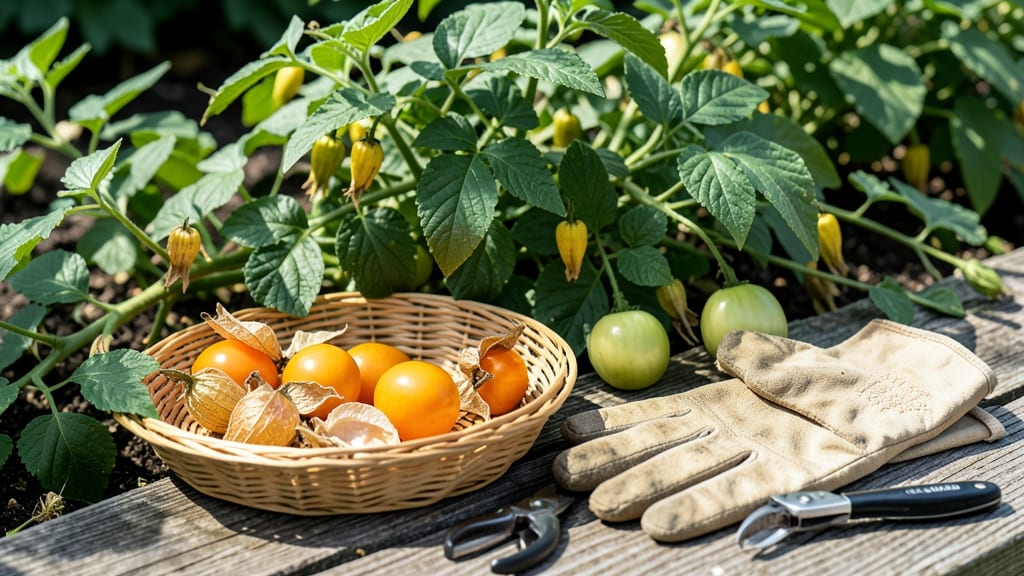
Ground cherries ripen when their pods turn golden-yellow and feel slightly soft to touch—this is your cue to harvest before they overripe.
Picture this: you’ve nurtured your plants all season, and now those little lanterns 🍒 are ready to burst with flavor. But wait too long, and they’ll turn mealy or split open, ruining the harvest.
The key is catching them at the perfect moment, when the husk starts to dry and crack just enough to reveal the treasure inside.
Timing matters because ground cherries ripen quickly, especially in warmer zones like 6a where summer heat speeds things up. A late harvest can mean missing out on sweet, tangy perfection—or worse, losing your crop to pests or frost.
In this guide, I’ll break down the exact signs to look for, the best times to pick by climate, and pro tips to keep your harvest fresh. Whether you’re a first-timer or a seasoned gardener, you’ll leave here knowing exactly when to harvest for the best flavor and yield.
How to identify perfectly ripe ground cherries by color, texture & size
Ground cherries (Physalis spp.) are ready to harvest when they meet three key indicators: color, texture, and size. Unlike tomatoes, these fruits ripen inside a papery husk, so you’ll need to check both the husk and the fruit itself.
The golden-yellow color is your first clue—this signals natural sugars have fully developed, creating that signature sweet-tart flavor we all love.
Don’t wait until the husk fully opens, though! The fruit inside should be firm but slightly soft to the touch, almost like a ripe peach. If it feels too hard, it’s underripe and will lack flavor.
Overripe ground cherries, on the other hand, become mushy and may even split open, attracting pests like birds or squirrels. Timing is everything!
Size matters too—ripe ground cherries typically measure 1 to 1.5 inches in diameter. They won’t grow much larger, so don’t expect giant harvests. Varieties like ‘Golden Berry’ or ‘Pineapple’ ground cherries follow this rule, but always check the specific variety’s guidelines if you’re unsure.
The husk is your best friend when harvesting ground cherries. As the fruit ripens, the husk will dry out and begin to split open—this is a clear sign it’s time to pick. However, if the husk is still green and tight, the fruit inside is underripe.
These will taste bland and mealy, no matter how long you wait. Pro tip: Gently shake the plant to spot ripe fruits hiding under leaves.
One common mistake I see is waiting until the husk is fully open. By then, the fruit inside may already be overripe or even rotting. The ideal time to harvest is when the husk is drying but not yet fully open.
This ensures you get the best flavor without risking spoilage. If you’re unsure, cut open a few pods to check the fruit’s color and texture.
Temperature also plays a role in ripening. In hot climates (Zones 8–10), ground cherries ripen faster and may need harvesting every 2–3 days. In cooler zones (Zones 3–6), they take longer—sometimes up to 10–14 days from color change to full ripeness.
Always monitor your plants closely, especially during heatwaves or sudden temperature drops.
Size comparison is another trick I swear by. Hold a ripe ground cherry next to an unripe one—the difference in size is obvious. Ripe fruits are plump and round, while underripe ones look shrunken.
If you’re growing multiple varieties, like ‘Pineapple’ and ‘Cherokee Purple’, pay attention to each plant’s specific ripening timeline, as some mature faster than others.
Finally, don’t ignore the plant’s overall health. If the leaves start yellowing or the plant looks stressed, it’s a sign the harvest window is closing. Ground cherries are annuals, so they won’t produce again next year. This makes every harvest count—don’t let a single fruit go to waste!
Once you’ve mastered these cues, you’ll never miss a harvest again. Store ripe ground cherries in a cool, dry place (like a paper bag) for up to 2 weeks, or refrigerate them for longer storage.
And if you’ve got more than you can eat? Try drying or freezing them for later use—just like tomatoes, they’re versatile in the kitchen (though we’re keeping this strictly gardening-focused!).
Best time of year to harvest ground cherries by climate zone
Timing your ground cherry harvest depends on your USDA climate zone and the specific variety you're growing. In warmer regions like Zones 8-10, you might enjoy harvests from late June through October, while cooler Zones 3-6 typically see shorter windows between mid-July and early September.
Temperature plays a huge role—warmer climates speed up ripening, while cooler ones slow it down.
Early varieties like 'Pineapple' ground cherries mature first, often ready by late July, while late varieties such as 'Golden Berry' may linger until mid-October in frost-free zones.
The key is monitoring fruit color and texture rather than relying solely on the calendar, as temperature fluctuations can shift ripening timelines dramatically.
🌱 Harvest Timing by Climate Zone
- Zones 3-5: Harvest late July to early September—frost risk shortens season. Use row covers to extend harvest.
- Zones 6-7: Peak harvest mid-August to mid-October. Early morning picking prevents sunburn on exposed fruit.
- Zones 8-10: Continuous harvest June through November. Late varieties thrive in warm winters.
Temperature affects ripening speed—ground cherries mature 2-3 weeks faster in 90°F+ heat than in 70°F conditions. If your summer is scorching, check fruit every 3-5 days to avoid overripe, mealy berries. In cooler zones, black plastic mulch can warm soil and accelerate ripening by 10-14 days.
Frost sensitivity is critical: ground cherries cannot tolerate freezing. If frost threatens in Zones 6-7, harvest all remaining fruit immediately, even if not fully ripe. Store them at 55-60°F to finish ripening indoors. Late varieties in Zones 8-10 may even produce a second harvest after mild winters.
For extended harvests, choose dwarf varieties like 'Golden Raspberry', which ripen 1-2 weeks earlier than standard types. In containers, you can move plants to sheltered spots or greenhouses to delay frost and prolong the season by 3-4 weeks.
Always prioritize morning harvests—fruit picked in the heat may overripen quickly and lose flavor. Use a soft cloth to gently cradle berries, and avoid dropping them to prevent bruising. With the right timing, you’ll enjoy a sweet, tangy harvest that lasts from summer well into fall! 🍒