
How To
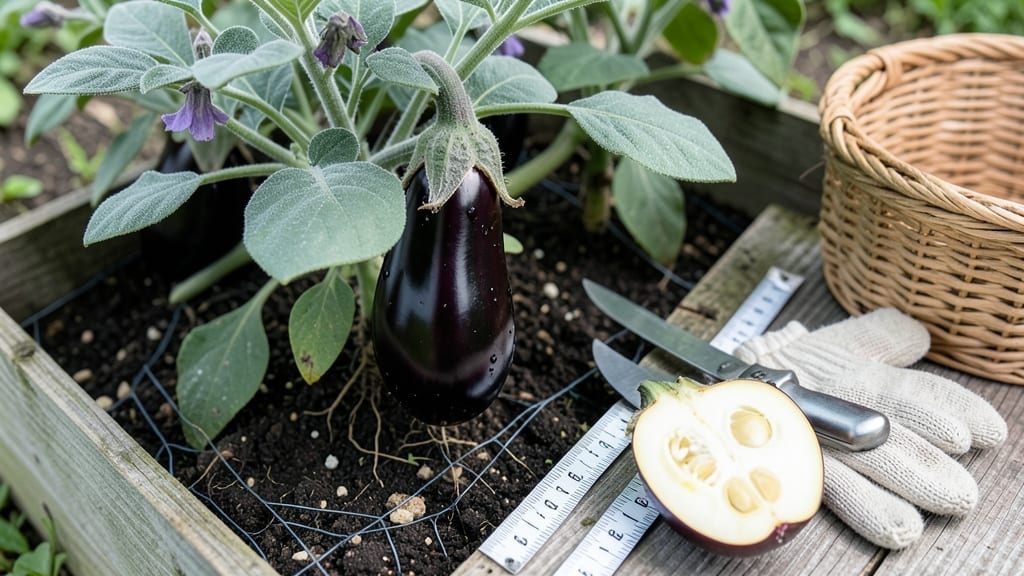
Harvesting Japanese eggplant 🍆 at the right time ensures tender, flavorful fruit—don’t wait too long or you’ll end up with tough, seedy disappointment.
Picture this: you’ve nurtured your plants all season, and now the moment of truth arrives. But how do you know when that glossy purple (or deep green) fruit is truly ready? The answer lies in a few simple checks—size, skin texture, and even a gentle twist test.
Most varieties are prime for picking between 60 and 90 days after transplanting, but climate plays a role. In Zone 6a, that window often opens in early July, while warmer regions may see earlier harvests. Miss the mark, and you risk either underripe blandness or overripe bitterness.
Below, I’ll break down the exact signs to watch for—plus common mistakes that turn great eggplants into garden flops. Ready to master the harvest?
How to check Japanese eggplant ripeness: 3 key signs for harvest time
Japanese eggplants are delicate—harvest them too early, and you’ll get bitter, seedy fruits. Wait too long, and the texture turns mealy. The secret lies in three key ripeness indicators: size, skin condition, and internal seed development. Master these, and you’ll enjoy sweet, tender eggplants every time you pick them.
First, focus on the fruit’s size. Most Japanese eggplant varieties reach peak ripeness at 3 to 5 inches long. Smaller fruits (under 2 inches) are simply too immature, while oversized ones (beyond 6 inches) often lose their signature tender crunch.
Use a ruler or compare to your thumb—if it’s longer than your middle phalanx, it’s likely ready.
Next, check the skin’s texture and color. Ripeness is signaled by a glossy, firm surface with deep, even coloring—purple, green, or white, depending on the variety. Press gently: a ripe eggplant should feel slightly resistant, not soft or spongy. Dull or wrinkled skin means it’s past its prime.
Finally, peek inside for seed development. Twist the stem gently—if it snaps cleanly, the fruit is ready. Cut open a sample (or use a knife to check one side): seeds should be small and white, not large or brown.
Overripe eggplants develop hollow centers and bitter flavors, so timing is everything.
- 📏 Size Check: 3–5 inches long (thumb-length guide)
- 💎 Skin Test: Glossy, firm, and deep-colored (no wrinkles)
- 🌱 Seed Inspection: Tiny white seeds (cut one to confirm)
Pro Tip: Harvest in the morning for the freshest flavor and firmest texture.
Timing also depends on your climate zone. In warmer regions (USDA Zones 8–10), Japanese eggplants mature faster—typically 60–75 days after transplanting. Cooler zones (Zones 6–7) may need an extra 10–15 days due to slower growth.
Always align your harvest with the plant’s natural rhythm: flowers appear first, followed by fruit swelling in 2–3 weeks.
Watch for color shifts as another clue. Young eggplants start pale but darken as they ripen. For example, ‘Kurohyote’ turns from light green to deep purple, while ‘Solar Egg’ shifts from white to creamy yellow.
Uneven coloring? That’s a sign of uneven sunlight—rotate plants if needed to ensure consistent ripening.
Avoid the temptation to harvest based on calendar dates alone. Instead, combine all three signs: size, skin, and seeds.
For instance, a 4-inch eggplant with glossy skin but large brown seeds is overripe, while a 3-inch fruit with soft skin is underripe. Trust your hands and eyes—they’re your best tools!
Once you’ve confirmed ripeness, use a sharp knife or pruners to cut the stem, leaving a small stub to prevent disease. Handle gently to avoid bruising, and store in the fridge for up to 5 days (or cook immediately for peak flavor).
Overripe eggplants? Sauté them into sauces—they’re less bitter when cooked!
Remember: Japanese eggplants are sensitive to temperature. Harvest before the first frost (typically late September–October in most zones). If frost threatens early, pick fruits at 70% ripeness and let them finish ripening indoors on a sunny windowsill. With these tips, you’ll never miss the sweet spot again!
Japanese eggplant harvesting mistakes that ruin flavor and texture
Japanese eggplants are prized for their delicate, sweet flavor and tender texture, but harvesting them at the wrong time can turn your crop into a bitter, seedy mess. Even small mistakes—like picking too early or mishandling the fruit—can ruin the restaurant-quality results you're aiming for.
I’ve seen gardeners struggle with overripe eggplants that turn mushy or underripe ones that stay tough and bitter. The key is understanding the optimal harvest window and avoiding common pitfalls that degrade quality. Let’s break down the mistakes and how to fix them.
Mistake: Picking Japanese eggplant when it’s smaller than 3 inches or overripe with soft skin ruins flavor and texture. Early harvests yield bitter, seedy fruit, while late harvests produce mushy, waterlogged eggplants.
Fix: Wait until fruit reaches 3-5 inches and has deep color (purple or dark green). Check for firmness—press gently; it should spring back.
Another critical error is harvesting at the wrong time of day. Many gardeners pick eggplants in the heat, which causes skin bruising and premature spoilage. The best time to harvest is early morning when the fruit is cool and firm.
Environmental factors also play a role. If your eggplants are exposed to extreme heat or fluctuating temperatures, they may develop uneven ripening or bitter flavors. I recommend harvesting during mild weather (60-80°F) to preserve quality.
Improper handling after harvest is another silent killer of flavor. Twisting or pulling the fruit can damage the stem, leading to rotting. Always use a sharp knife or pruners to cut the stem cleanly, leaving a small stub to prevent disease.
Finally, storing harvested eggplants incorrectly can turn a perfect crop into a sad, mushy pile. Never refrigerate them—keep them at room temperature (around 70°F) in a well-ventilated area for up to a week. If you must store them longer, wrap each one in paper towels to absorb moisture.