
How To
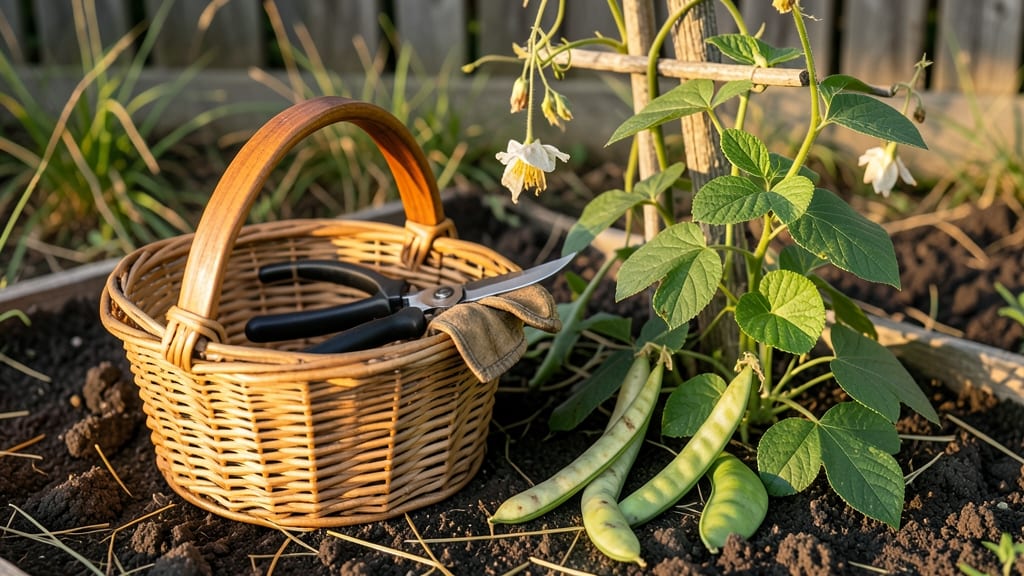
Harvesting kidney beans 🌱 at the right time turns a simple garden task into a flavor-packed victory—wait too long, and you’re left with tough, shriveled pods that taste like disappointment.
You’ve probably noticed those pods turning pale and rattling when you shake the plant—that’s your cue. But timing isn’t just about color or size; it’s about catching them between 50 and 80 days after planting, when they’re firm, plump, and just starting to bulge.
In Zone 6, that window usually falls between July and September, but heat waves or cool snaps can shift it. The key is checking pods every 2-3 days—once they’re overripe, you’ve lost your chance for tender, sweet beans.
Below, I’ll walk you through the exact signs to look for, how to adjust for your local climate, and what to do if you miss the window—because even the best gardeners sometimes get it wrong.
How to identify the perfect harvest time for kidney beans
Harvesting kidney beans at the right moment transforms your garden into a flavor powerhouse—tender, sweet pods packed with protein. But timing is everything: one day too early, and you’ll get bitter, underdeveloped pods; one day too late, and they’ll toughen like leather.
The key lies in visual cues, tactile tests, and understanding your plant’s growth stage. I’ve learned that even a 5-minute daily check can prevent wasted harvests, so let’s break down exactly what to look for.
First, focus on the pod size—this is your most reliable indicator. Kidney beans are ready when pods measure 2 to 3 inches long, about the size of a standard AA battery. Smaller than that, and the beans inside are still developing; larger, and the pods become fibrous.
I always compare them to my thumb: if the pod spans from my thumb joint to the tip, it’s prime time. Color consistency matters too—whether your variety is green, brown, or speckled, the hue should be even and vibrant, not fading or patchy.
Next, perform the rattle test, my foolproof trick for determining readiness. Gently shake a pod over your ear or a bowl—if you hear a faint rattling sound, the seeds inside are loose and ready to harvest.
This means the beans have filled the pod just enough for peak flavor but haven’t started competing for space, which would make the pods tough. If the pod stays silent, it’s too early; if it feels heavy and dull, you’ve missed the window.
Don’t overlook the pod texture, either. At the perfect harvest stage, kidney bean pods should feel firm yet slightly crisp, almost like a fresh green bean. Press gently with your thumbnail—if it leaves a slight dent but doesn’t bruise, you’re golden.
Avoid pods that feel soft or mushy, as these are overripe and past their prime. I’ve made this mistake before, and the difference in texture—and taste—is night and day.
| Cue | Ready for Harvest? | Action |
|---|---|---|
| Pod Size | 2–3 inches long | Harvest immediately |
| Pod Color | Vibrant and even | Pick when consistent |
| Rattle Test | Faint seed rattle | Harvest for tenderness |
| Pod Texture | Firm and crisp | Best flavor window |
| Seed Visibility | Small, not bulging | Avoid tough pods |
| Days After Planting | 50–80 days (varies by variety) | Check pods weekly |
Now, let’s talk about common mistakes that even experienced gardeners make. The first is harvesting too early, often because pods look big enough but fail the rattle test. I’ve seen gardeners pick beans at 1.5 inches, only to find them bland and underdeveloped.
Always wait until the pods hit that 2-inch minimum, even if it means waiting an extra week. On the flip side, harvesting too late leads to tough, stringy pods that snap instead of bend.
Once seeds start bulging or the pods turn dull, it’s too late for fresh eating—though you can still dry them for future use.
Another pitfall is ignoring variety differences. Some kidney bean varieties, like the California Blackeye, mature faster (around 50 days) than others like Pink Mexican, which can take up to 80 days.
Always check your seed packet for days to maturity and adjust your harvest schedule accordingly. I once planted a mix of varieties without noting the timeline, and ended up with a hodgepodge of overripe and underripe pods. Pro tip: label your plants or keep a harvest journal to track progress.
Finally, pay attention to the time of day you harvest. Early morning is ideal because pods are cool and crisp, having absorbed moisture overnight. Harvesting in the afternoon can lead to wilting pods, especially in hot climates.
I’ve found that picking just a few hours after sunrise gives me the freshest beans, and it’s easier to spot the perfect pods when they’re not wilted from the heat. Store harvested beans in the fridge for up to 5 days or blanch and freeze them to preserve their flavor.
Remember, kidney beans are warm-season crops, so your harvest window typically runs from mid-summer to early fall, depending on your climate. In USDA Zone 6, I start harvesting in July and continue until the first frost in October.
If you live in a warmer zone, your season may extend even later. The key is to stay consistent with your checks—once you master the visual and tactile cues, you’ll never miss a perfect harvest again.
With these tips, you’ll go from guessing when to pick your kidney beans to harvesting with confidence, ensuring every pod is at its peak. Next time you’re in the garden, take a moment to shake a pod and listen—your beans are telling you exactly when they’re ready! 🌱
Daily harvesting schedule: how often to pick for maximum yield
Harvesting kidney beans at the right frequency keeps your plants producing fresh pods all season long. I’ve found that picking beans every 2-3 days during peak production maximizes yield, but timing depends on your variety and growing conditions.
Morning harvests are ideal because cooler temps preserve pod quality, while afternoon picking can stress plants in hot climates.
For bush varieties like ‘Black Valentine’, I harvest pods when they’re 2-3 inches long—this encourages more flowers to set. Pole varieties like ‘Kingdom Red’ need slightly more frequent checks since they produce continuously.
Always use sharp scissors or pruners to avoid damaging the vines, and never pull pods off by hand.
🌱 Numbered Harvesting Highlights for Kidney Beans
- Start harvesting 50-60 days after planting when pods reach 2 inches.
- Pick every 2-3 days during peak season (July-August) to encourage new pods.
- Morning harvests (6-8 AM) preserve pod tenderness better than afternoon picking.
- Stop harvesting 4-6 weeks before first frost to allow plants to mature seeds for storage.
- Use dry beans varieties? Wait until pods turn brown and seeds rattle before harvesting.
If you notice pods staying small or plants flowering but not setting new pods, it’s time to adjust your schedule. I’ve seen overcrowded plants produce fewer beans—thin seedlings to 3-4 inches apart early on to improve airflow and yield.
For drought-prone areas, harvest less frequently to reduce plant stress, but never skip more than 5 days or risk tough pods.
Pro tip: Keep a small basket nearby when harvesting to avoid bruising pods. I store freshly picked beans in the fridge for 3-5 days or blanch and freeze them for long-term storage. This method preserves their vibrant flavor and texture, making your harvest last all winter.
Remember that dry bean varieties (like those used for storage) have different schedules—they need 90-120 days to mature fully. For these, I wait until pods turn brown and seeds rattle when shaken, then let them dry on the vine for 2-3 weeks before harvesting.
This ensures maximum seed development and storage potential.
Consistent harvesting isn’t just about quantity—it’s about quality. When I stick to this schedule, my kidney beans stay tender, flavorful, and abundant throughout the growing season. The key is balance: pick often enough to encourage production, but not so much that you stress the plants.
Your beans will thank you with a bountiful harvest! 🌿