
How To
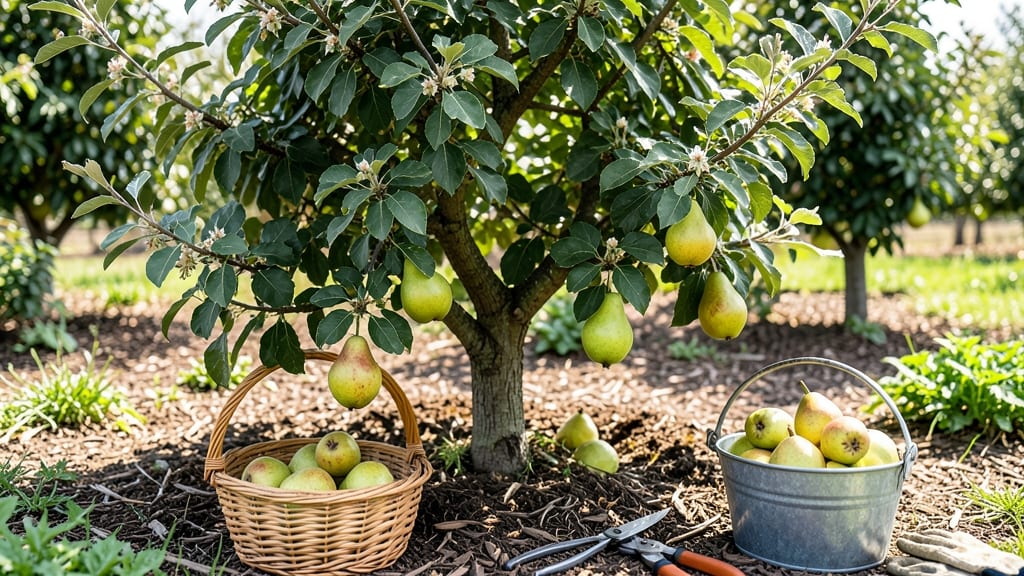
Harvesting Kieffer pears at the right time means the difference between sweet, juicy fruit and bland, mealy disappointment — and the best window is narrower than you think.
Picture this: you’ve waited all season for your 🍐 Kieffer Pear tree to deliver, only to pick a pear that’s either rock-hard or mushy by harvest day. The secret?
Watching for three key signals: a golden-yellow skin, a slight give when pressed, and a stem that releases with a gentle twist. Miss these cues, and you’re left with fruit that’s either too tart or too soft.
In General (USDA Zone 6 default), that window typically opens in late August and closes by early September — but heatwaves or cool snaps can shift it by weeks.
I’ll walk you through how to test ripeness like a pro, adjust for your local climate, and even save underripe pears for later with a simple trick.
By the end, you’ll know exactly when to reach for those pears, how to store them for maximum flavor, and why some gardeners swear by harvesting at night for cooler fruit. Ready to turn your harvest into a homegrown success?
How to identify the perfect Kieffer pear ripeness by color & size
Kieffer pears are a delightful reward for patient gardeners, but knowing exactly when to harvest them can be tricky. Unlike some fruits that ripen off the tree, these pears must be picked at peak ripeness for the best flavor and texture.
The key lies in watching for two primary visual cues: color changes and fruit size, both of which shift predictably as the season progresses.
When Kieffer pears first appear, they’re typically bright green and firm, signaling they’re still developing. As they mature, their skin transitions from green to a soft golden-yellow, often with sun-kissed blushes.
This color shift isn’t just cosmetic—it’s a clear sign the fruit’s sugars are concentrating and its aroma is intensifying. However, timing this shift depends heavily on your local climate and the tree’s sunlight exposure.
| Stage | Color | Size (Diameter) | Harvest Ready? |
|---|---|---|---|
| Early Development | Bright Green | 1.0–1.5 inches | No |
| Maturing | Green-Yellow | 1.5–2.0 inches | Maybe (Test Firmness) |
| Peak Ripeness | Golden-Yellow | 2.0–2.5 inches | Yes! |
| Overripe | Brown Spots | 2.5+ inches | No (Mealy Texture) |
Sunlight plays a critical role in ripening Kieffer pears. Trees planted in full sun (6+ hours daily) will produce fruit that ripens 1–2 weeks earlier than those in partial shade.
If your tree is in a shadier spot, expect the color shift to take longer, and the pears may stay slightly firmer at harvest time.
In cooler climates (USDA Zones 5–6), ripening often extends into early October, while warmer zones (7–9) may see peak ripeness as early as late August.
Size is another non-negotiable indicator. At harvest-ready, Kieffer pears typically measure 1.5 to 2.5 inches in diameter. Smaller pears (<1.5 inches) are usually underripe, lacking the sweetness and juiciness you crave. Oversized pears (>2.5 inches) often become mealy or grainy if left too long on the tree.
To avoid this, monitor fruit growth weekly during the final 4–6 weeks of summer.
Pay attention to the stem attachment as well. When ripe, the stem should separate cleanly from the branch with a gentle twist. If it resists, the pear isn’t ready.
This test, combined with the color and size checks, gives you a three-pronged confirmation that your Kieffer pears are at their best. Pro tip: Harvest on a dry morning to prevent bruising and extend shelf life.
In northern climates, where summers are shorter, Kieffer pears may ripen more slowly, so start checking for color changes in mid-August. Conversely, in southern regions, the heat can accelerate ripening, meaning you might need to harvest by late August.
Always err on the side of earlier harvests—unripe pears can ripen off the tree (though they won’t improve much in flavor), while overripe ones become inedible.
One common mistake is assuming all pears on a tree ripen at once. Kieffer pears often ripens in batches, with some clusters maturing 1–2 weeks before others. To manage this, harvest in stages, focusing on the golden-yellow clusters first.
This staggered approach ensures you enjoy peak-flavor pears throughout the harvest window rather than dealing with a glut of overripe fruit all at once.
If you’re unsure whether your pears are ready, perform the gentle pressure test: press your thumbnail into the pear’s skin. At peak ripeness, it should yield slightly (like pressing a ripe avocado).
If it springs back, wait a few days. This tactile check is your final sanity test before declaring harvest day. Once you’ve mastered these cues, you’ll never miss the sweet spot again!
Remember, the sooner you harvest at peak ripeness, the longer you can enjoy their buttery texture and honeyed flavor
The firmness test & other key ripeness indicators for Kieffer pears
When harvesting Kieffer pears, the firmness test is your best friend. Unlike some fruits that ripen off the tree, Kieffer pears must be picked at peak ripeness for the best flavor.
Overripe pears develop a mealy texture, while underripe ones stay hard and tart. Let’s break down the tactile and sensory cues to avoid these pitfalls.
Start by gently pressing the pear between your thumb and forefinger. A ripe Kieffer pear should yield slightly—like pressing a ripe avocado—without feeling mushy. If it feels rock-hard, it’s not ready yet. This gentle pressure test is foolproof and works even if the color isn’t fully developed yet.
Next, check the stem separation. Gently twist the pear at the stem. If it detaches easily with a slight pop, it’s ripe. If the stem resists or tears, the pear needs more time. This is a critical sign many gardeners overlook, yet it’s one of the most reliable indicators.
🔴⚠️ callout-warning ⚠️🔴 Warning: Overripe Kieffer Pears Never leave pears on the tree past their prime—they’ll turn mushy and lose flavor. Overripe pears also develop a fermented scent (like a mix of sweet and sour) and may attract pests.
Harvest within 3-5 days of passing the firmness test to enjoy peak sweetness. 🍐
Your nose knows too! A ripe Kieffer pear emits a subtle, sweet aroma near the stem. If it smells bland or overly sharp, it’s not ready. This scent cue is especially useful in shady microclimates where color changes may be less pronounced.
If your pears ripen too quickly, it’s often due to excessive heat or drought stress. To slow ripening, ensure your tree gets consistent watering (deep soaks every 7-10 days) and provide afternoon shade during heatwaves. Mulching around the base also helps regulate soil temperature.
For premature ripening, thin the fruit early in the season to reduce stress on the tree. Overloaded branches force pears to ripen faster, compromising quality. Aim for 6-8 inches between pears to encourage even ripening and better flavor development.