
How To
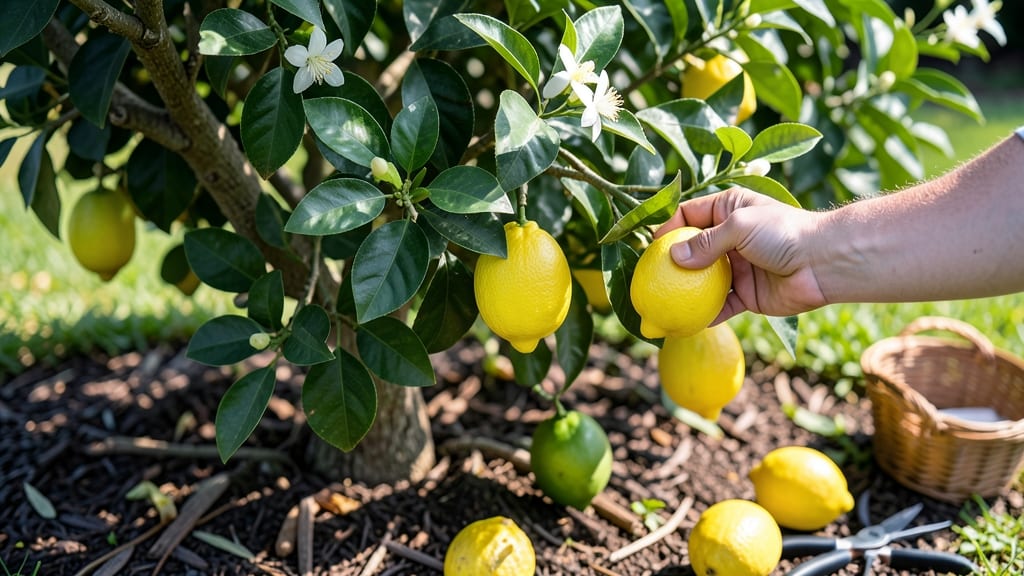
Harvesting lemons at the right time transforms your tree into a year-round citrus goldmine 🍋 — and missing the window means mealy, flavorless fruit that’s barely worth the effort.
Picture this: you’ve waited months for those bright yellow orbs, only to pick them too soon and end up with tart, seedy disappointment. The difference between a juicy, sweet lemon and one that’s barely edible comes down to three simple cues: size, color, and that telltale aroma.
But timing isn’t just about visuals—it’s also about the season. In warmer climates, lemons ripen year-round, while in cooler zones, you’ll need to time your harvest between late summer and fall. And let’s not forget the peel test, the pro grower’s secret for nailing ripeness every time.
Below, I’ll walk you through exactly how to check for readiness, when to harvest based on your climate, and how to avoid the most common mistakes that turn your lemons into a kitchen flop.
How to tell when lemons are ready to harvest by size, color, and smell
Harvesting lemons at the right time transforms your citrus tree from a decorative plant to a productive powerhouse. The key lies in three simple but critical indicators: size, color, and aroma.
Ignoring these cues often leads to underripe, seedy, or overly bitter fruit. For example, a 3-inch lemon might look perfect but taste bland if harvested too early.
Regional climates play a huge role—lemon trees in California’s coastal zones ripen faster than those in Florida’s heat, where humidity can delay color development. Even within the same yard, a dwarf Meyer lemon tree will mature faster than a standard Eureka lemon.
Understanding these variations ensures you never miss peak harvest season.
Here’s a quick reference to avoid common mistakes, like plucking fruit too soon because it’s "big enough" or waiting too long because the color isn’t bright enough.
| Indicator | Ready for Harvest | Not Ready | Pro Tip |
|---|---|---|---|
| Size | 3-4 inches (Meyer), 4-5 inches (Eureka) | Smaller than 2.5 inches | Measure with a ruler—consistency matters! |
| Color | Deep yellow (Meyer) or bright yellow-green (Eureka) | Pale green or uneven patches | Sunlight exposure affects color—check shady spots first. |
| Smell | Sweet, citrusy aroma at the stem | No scent or sour smell | Sniff near the stem—this is where oils concentrate. |
| Peel Test | Slight give when gently squeezed | Hard or spongy feel | Press near the stem—avoid bruising the fruit. |
| Stem | Separates easily with slight twist | Sticks tightly or tears | Twist gently—no need to yank! |
Let’s break down each indicator so you can confidently pick lemons at their peak. Size is your first clue—most Meyer lemons are ready at 3-4 inches, while Eureka lemons need 4-5 inches to develop full flavor.
A lemon that’s too small will lack sweetness, while one that’s oversized may become seedy or dry.
Next, focus on color. A ripe Meyer lemon turns a vibrant yellow, while Eureka lemons stay yellow-green. If the color is patchy or still green, wait a few more days—especially in cooler climates where ripening slows.
Pro tip: Check the underside of the lemon for the most accurate color cue.
Your nose knows best when it comes to aroma. A ripe lemon emits a sweet, citrusy scent near the stem. If it smells sour or has no fragrance, it’s not ready.
This is especially true for Meyer lemons, which can taste bland if harvested too early. Sniff near the stem—this is where the essential oils are most concentrated.
One of the biggest mistakes growers make is relying on size alone. A lemon might look big enough but still taste tart and underripe. Always combine all three indicators: size, color, and smell.
For example, a 4-inch lemon with a pale green hue and no aroma isn’t ready—even if it’s the same size as a ripe one.
Regional differences also matter. In USDA Zone 9 or 10, lemons ripen year-round, but in Zone 7 or 8, they may only reach peak ripeness in late summer or early fall. If you’re in a cooler climate, consider harvesting slightly earlier—lemons won’t ripen further off the tree.
Finally, avoid the temptation to harvest lemons just because they’re hanging low or look attractive. Not all lemons on a tree are ready at the same time.
Check each one individually, and don’t be afraid to leave some on the tree for a few extra days if they’re not quite there yet. Patience pays off with juicier, sweeter fruit.
With these indicators in mind, you’ll never second-guess your harvest again. Grab a basket, head to your tree, and enjoy the reward of perfectly ripe lemons straight from your garden. 🍋🌱
The lemon peel test: a pro grower’s secret for perfect ripeness
Harvesting lemons too early means sour, seedy disappointment, while waiting too long risks overripe, mealy flesh. The lemon peel test is my go-to trick for nailing that sweet-tart balance every time. This simple method saves me from guessing—just press, observe, and decide.
The key lies in the peel’s flexibility and texture. A ripe lemon’s skin should yield slightly when pressed but not dent deeply. Think of it like testing a ripe avocado—just enough give to signal perfection. I’ve learned this trick from Florida citrus growers who harvest thousands of lemons yearly.
⚠️ callout-warning ⚠️
Harvesting green lemons (peel resists pressure) means bitter, underripe fruit. Overripe lemons (peel dents easily) turn pulp to mush and lose flavor. Test 3-5 lemons weekly—once the majority pass the peel test, it’s harvest time!
📌 Pro Tip: Check morning fruit—cooler temps make peels firmer, giving a clearer test.
Start by examining the peel thickness. A ripe lemon’s skin should be thin but not translucent. Run your thumb over it—if it feels smooth and slightly waxy, that’s a great sign.
I also look for a color shift from green to yellow, though some varieties stay green even when ripe.
Next, press your fingertip into the lemon’s surface. A ripe lemon’s peel should leave a faint indentation that bounces back. If it springs back immediately, the lemon’s ready.
If the skin stays dented, it’s overripe. This test works best on sun-exposed fruit—shady lemons may stay firm longer.
Don’t forget to sniff the stem end—a ripe lemon releases a bright, citrusy aroma. Combine this with the peel test for 100% accuracy. I’ve found that Eureka lemons often pass the test a week before Meyer lemons, so variety matters.
Harvest in the morning when temps are cooler for the best results.
Once you’ve mastered the peel test, you’ll never second-guess harvest time again. Store ripe lemons in a cool, dry place (not the fridge) to preserve their flavor and texture for weeks. Happy harvesting—your lemonade and baking will thank you!