
How To
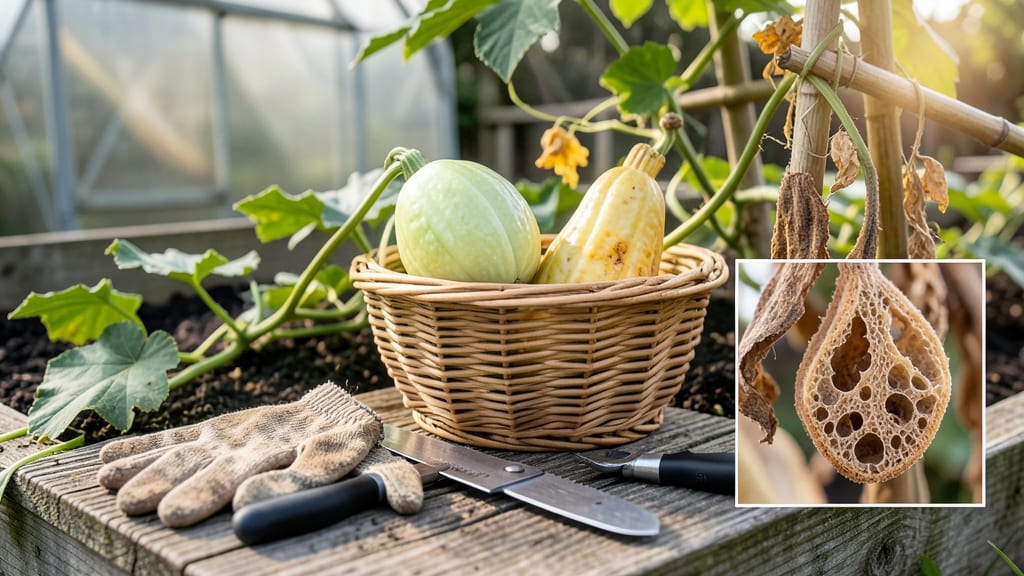
Harvesting loofah at the right time turns a garden vine into a spongy treasure—and missing the window means tough, unusable gourds.
I’ve watched my 🎋 loofah vines climb to 20 feet only to harvest too early, leaving me with gourds that crumble like overripe melons. The secret? Spotting the three color zones before the shell cracks.
In USDA Zone 6a, where I garden, September is prime time—but timing shifts with your climate. Too soon, and the fibers won’t soften; too late, and the gourd splits open. Here’s how to nail it every time.
You’ll learn the exact color shifts to watch for, how to test readiness without damaging the gourd, and the 3-step drying process that keeps your loofahs fluffy and mold-free for months.
The 3 color zones that signal perfect loofah harvest time
Harvesting loofah at the right time transforms a simple gourd into a luxurious, natural sponge. The key lies in watching for three distinct color transitions that reveal when the fibrous interior is ready for use.
Each stage—green, yellow, and brown—offers clues about texture and usability that can’t be ignored. Skipping these cues often leads to either a gummy, unusable gourd or one that’s already cracked open by nature.
First, let’s address the green zone, which is actually the wrong time to harvest. When your loofah gourds are still bright green and firm to the touch, they’re too young. The flesh inside is still soft and fleshy, making it impossible to dry into the signature sponge-like texture.
This stage is all about growth, not harvest—think of it as the seedling phase of your loofah’s lifecycle. Patience here is crucial, as rushing will leave you with a gourd that’s more like a squash than a loofah.
Next comes the yellow zone, the sweet spot for most gardeners. This is when the gourd’s skin begins to shift from green to a pale yellow or golden hue. The texture starts to harden slightly, and you’ll notice the vines beginning to yellow and dry out.
This phase marks the transition from edible gourd to functional loofah. If you harvest now, you’ll get a slightly firmer gourd, but it may still need extra drying time to reach its full spongy potential. It’s the bridge between immaturity and perfection.
| Color Zone | Skin Texture | Interior Condition | Harvest Readiness |
|---|---|---|---|
| Green | Firm, smooth | Soft, fleshy | Not ready (edible) |
| Yellow | Hardening, rough | Fibrous, drying | Nearly ready (harvest soon) |
| Brown | Dry, papery | Hollow, fibrous | Perfect (harvest now) |
The final phase is the brown zone, where your loofah reaches its peak usability. At this stage, the skin turns a dull brown or tan, almost papery to the touch.
The vines will have completely dried and fallen away, and the gourd itself may even feel slightly hollow when tapped. This is the ideal harvest window—the gourd is fully mature, and the interior fibers are ready to transform into a loofah.
If you wait too long, the gourd may crack open on its own, releasing seeds and ruining the structure.
One common mistake is assuming all loofah gourds follow the same timeline. Smaller varieties may mature faster, while larger ones can take weeks longer. Always check the skin color and vine condition rather than relying solely on days since planting.
In my garden, I’ve seen early-maturing loofahs ready in as few as 100 days, while others need the full 150-day window to reach the brown zone. Pay attention to your specific variety’s growth habits.
Another pro tip: Harvest on a dry day to prevent mold from developing during the drying process. If you’re unsure whether a gourd is ready, give it a gentle tap—if it sounds hollow, it’s time to pick it.
The brown zone is your golden opportunity to turn a garden curiosity into a long-lasting, eco-friendly sponge. Miss it, and you’ll be left with a brittle shell or a cracked mess. Timing is everything in the world of loofah harvesting!
For those in cooler climates, like USDA Zone 6a, keep an eye on the first frost. If the brown zone arrives before frost, harvest immediately. If frost threatens first, you can harvest early in the yellow zone and finish drying indoors.
Just be prepared for a slightly less fibrous result. In warmer zones, the brown zone often arrives naturally, giving you a perfect window for harvest without rushing.
Remember, the color transitions are your best friends when it comes to loofah harvesting. Green means wait, yellow means almost there, and brown means harvest now. Once you master these cues, you’ll never second-guess when to pick your loofah again. Happy harvesting—your future shower sponge awaits!
How to test loofah readiness without damaging the gourd
Harvesting loofah at the right time ensures a soft, fibrous texture perfect for sponges—but testing readiness without harming the gourd requires gentle techniques. Start by examining the stem attachment.
A dry, brown stem indicates maturity, while a green stem means the gourd needs more time. This simple visual cue helps avoid premature harvesting.
Next, use your fingertips to press the gourd’s surface. A ripe loofah feels firm yet slightly yielding, like a well-ripened squash. If it’s rock-hard or spongy, it’s either overripe or underripe. This tactile test is your first non-destructive clue to perfect timing.
🚨 callout-warning 🚨
⚠️ Avoid These Harvesting Mistakes
1. Overripe loofahs crack open naturally—harvest them before they split to preserve quality.
2. Harvesting too early results in tough, unusable fibers—wait for full color transition.
3. Using sharp tools can puncture the gourd—always twist gently at the stem.
For a deeper test, tap the gourd lightly with your knuckles. A hollow, echoing sound signals maturity, while a dull thud means it’s not ready. This method mimics the natural drying process and helps confirm internal readiness without cutting into the gourd.
Check the vine’s condition too. When the vine nearest the gourd turns yellow and dries out, it’s a clear sign to harvest. This natural process ensures the gourd has fully matured. Ignoring this cue often leads to fibrous disappointment.
Finally, observe the color zones on the gourd. A ripe loofah shows three distinct areas: a green top (still growing), a yellow middle (ripe), and a brown base (fully mature). Harvest when the yellow zone dominates—this balance guarantees the best texture.
With these non-destructive tests, you’ll harvest loofah at peak readiness, ensuring soft, usable fibers every time. Happy gardening! 🎋