
How To
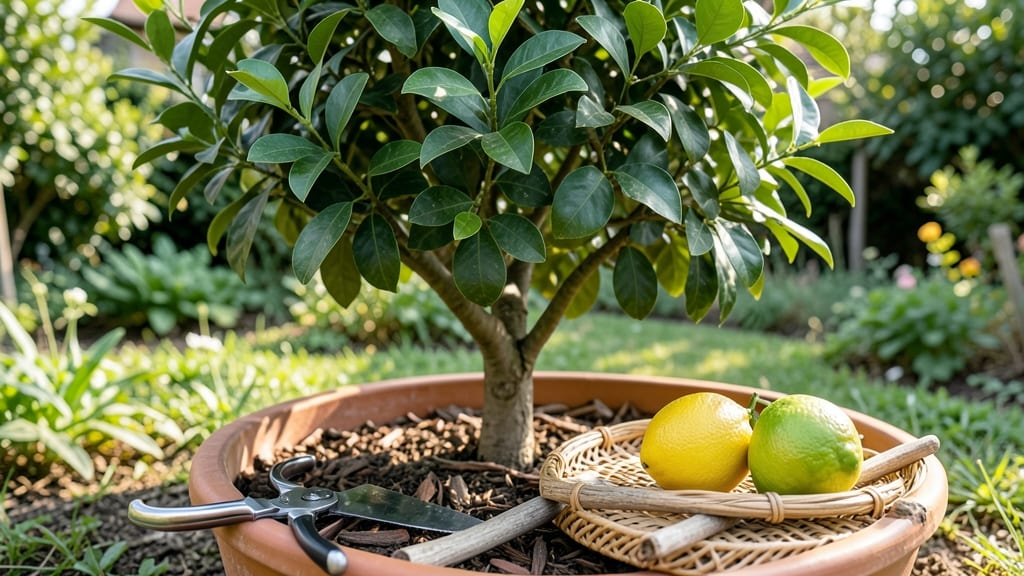
Harvesting Meyer lemons at the right time 🍋 makes all the difference between a tart, sweet burst of flavor and a bland, seedy disappointment.
Picture this: you’ve nurtured your Meyer lemon tree all season, and now the fruit is ready—but how do you know for sure? The answer lies in three simple tactile tests that reveal peak ripeness, so you never miss the window.
Timing matters because these lemons ripen off the tree, meaning they’ll only get sweeter after picking. But harvest too early, and you’ll end up with a mealy, underdeveloped fruit. Too late, and the skin toughens while the flavor sours.
Below, I’ll walk you through the exact signs to look for—color, firmness, and scent—plus how to adjust for your climate, whether you’re in a frost-prone Zone 6 or a frost-free paradise.
3 Tactile tests to determine Meyer lemon ripeness
Harvesting Meyer lemons at the perfect moment transforms their sweet-tart flavor from good to extraordinary. Unlike their tart counterparts, Meyer lemons ripen off the tree, so timing your harvest based on physical cues ensures peak juiciness and texture.
I’ve learned the hard way—overripe lemons turn bitter, while underripe ones lack that signature sweetness. Let’s dive into the three tactile tests that’ll help you harvest like a pro.
First, understand that Meyer lemons are unique—they often stay yellow-green even when ripe, unlike standard lemons that turn bright yellow. This can trick even experienced gardeners! The key is combining color, firmness, and scent into a foolproof system.
These tests work year-round, whether you’re growing in USDA Zone 9 or a container in Zone 7 with winter protection.
- 🍋 Test 1: Color Shift
Look for yellow-green (not bright yellow) with minimal green at the stem end. Meyer lemons rarely turn fully yellow—this is normal! - 🤏 Test 2: Gentle Pressure
Press lightly—ripe fruit should yield slightly (like a ripe avocado) but not feel mushy. Overripe lemons get soft and saggy. - 👃 Test 3: Aroma Check
Squeeze the lemon gently—it should release a sweet citrus scent. If it smells sharp or sour, it’s not ready yet.
Let’s start with the color test, which is your first visual clue. A ripe Meyer lemon will show yellow-green skin with only a tiny patch of green near the stem. Unlike standard lemons, they rarely turn bright yellow, so don’t wait for that.
Instead, focus on the color shift from green to yellow-green across most of the fruit. I once harvested a batch that was fully green because I mistook it for unripe—big mistake! The flavor was painfully tart and lacked the signature sweetness.
The firmness test is where many gardeners go wrong. A ripe Meyer lemon should feel firm but slightly yielding—like pressing your thumb into a ripe peach. If it feels rock-hard, it’s underripe. If it dents easily or feels mushy, it’s overripe.
I recommend using your fingertips (not nails) to avoid bruising the fruit. Pro tip: Twist gently—if the lemon detaches easily from the stem, it’s ready. If it resists, leave it another week.
Don’t underestimate the power of scent—this is the final confirmation that your Meyer lemons are ready. Squeeze the lemon gently (not hard enough to bruise) and bring it to your nose. A ripe lemon should release a bright, sweet citrus aroma.
If it smells flat or sour, it’s not ready. I’ve used this trick to avoid harvesting underripe lemons that looked perfect but tasted bland. The scent test alone can save you from a flavor disappointment.
Now, let’s talk about seasonal adjustments. In warm climates (Zones 9-11), Meyer lemons can produce fruit year-round, but peak harvest is fall to early winter. In cooler zones (6-8), harvest between October and December before the first frost.
If you’re growing in containers, bring them indoors before 32°F (0°C) to protect the fruit. I once left my potted tree outside during a 28°F (-2°C) night, and the lemons turned mealy and unusable.
Here’s a quick recap of what to avoid: Harvesting green lemons (they’ll never sweeten), waiting for bright yellow (Meyers stay yellow-green), or ignoring the scent test (your nose knows best!).
I’ve also learned that overcrowded branches can delay ripening—prune back leafy growth in early spring to improve airflow and fruit development. This simple step can speed up ripening by 2-3 weeks.
Once you’ve mastered these three tactile tests, you’ll never second-guess your Meyer lemon harvest again. The best part? These lemons continue ripening off the tree, so you can harvest a few at a time and enjoy them over weeks.
Store them at room temperature for up to 2 weeks or refrigerate for longer shelf life. I like to keep a bowl of ripe lemons on my counter—it’s a daily reminder of my gardening success!
Remember, patience is key. Rushing the harvest means missing that perfect sweet-tart balance. Next time you’re in your garden, grab a lemon, give it the three tests, and trust your senses. Your taste buds will thank you!
Meyer lemon harvest timeline: month-by-month expectations
Meyer lemons thrive in warm climates but can also produce fruit in temperate zones with proper care. Understanding your local frost dates and seasonal shifts is key to timing your harvest for peak flavor.
In USDA Zone 9-11, lemons ripen year-round, while gardeners in Zones 7-8 must plan for a shorter harvest window before frost arrives.
Your Meyer lemon tree’s first harvest typically occurs 12-18 months after planting, but mature trees (3+ years old) can produce fruit year-round in frost-free areas. In colder climates, focus on harvesting between late summer and early winter to avoid frost damage.
Adjust your expectations based on whether your tree is container-grown (harvests may delay slightly) or planted in-ground.
| Month | Climate Zone | Harvest Window | Key Signs | Adjustments |
|---|---|---|---|---|
| January | Zones 9-11 | Peak harvest | Fully yellow fruit, slight softness | Harvest daily if overripe |
| March-April | Zones 7-8 | Early harvest | Yellow-green fruit, firm | Protect from late frosts |
| May-June | All zones | New fruit sets | Green fruit, hard skin | Monitor for pests |
| July-August | Zones 9-11 | Secondary harvest | Yellow fruit, sweet scent | Water deeply to prevent stress |
| September-October | Zones 7-8 | Final harvest | Yellow fruit, soft stem | Harvest before first frost |
In warm climates, Meyer lemons produce fruit year-round, with peak harvests in winter months (November-February). Pay attention to fruit color shifts—Meyer lemons turn golden-yellow when ripe, unlike standard lemons that stay green.
If your tree is in a container, harvest may be delayed by 2-4 weeks due to slower growth.
For temperate climates, time your harvest to avoid first frost dates. In Zone 7, harvest between September and October; in Zone 8, extend to November.
Use a row cover to protect trees if early frosts threaten. Overripe lemons become bitter and mealy, so harvest frequently to maintain quality.
Adjust your harvest schedule based on tree maturity. Young trees (under 2 years) produce fewer lemons, while mature trees (3+ years) can yield 50+ lemons annually. Prune spent branches in late winter to encourage new growth and a heavier harvest the following season.