
How To
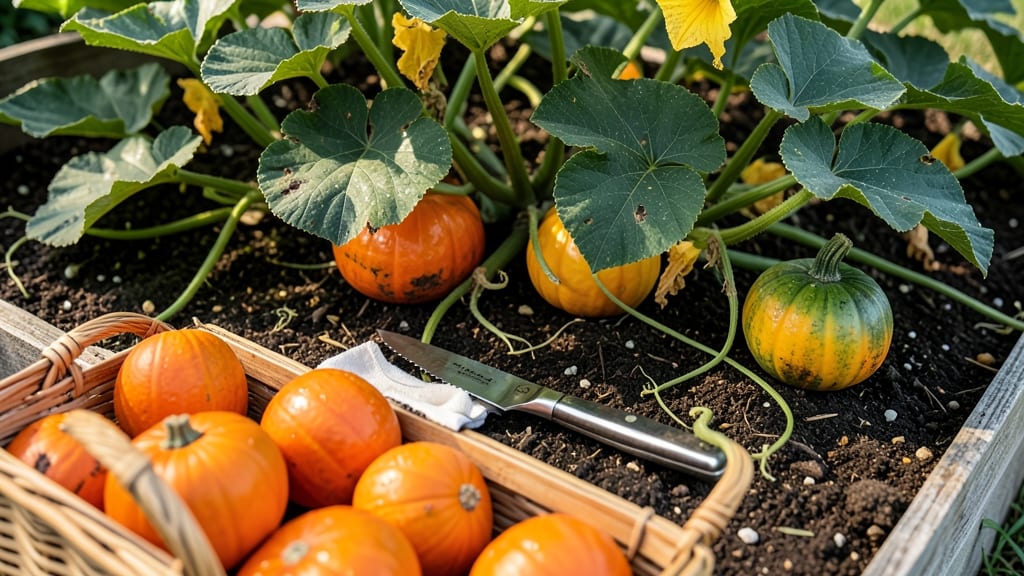
Harvesting mini pumpkins 🎃 at the right time means the difference between sweet, vibrant decorations and bland, underripe ones—aim for late September to early October when they’re fully mature.
Picture this: you’ve waited all summer for your mini pumpkins to grow, but you pick them too soon, and they’re still mealy inside. Or you wait too long, and frost ruins them before they ripen.
The key is catching them at peak flavor and texture, which means watching for three visual cues: color depth, skin firmness, and stem changes.
Most gardeners in Zone 6a know the window is tight—just 165 frost-free days from planting to harvest. Missing the mark means sacrificing both taste and that perfect fall aesthetic. But with the right timing, you’ll get pumpkins that store well and look stunning in your decor.
Below, I’ll walk you through the exact signs to look for—plus how to test readiness and care for them after harvest—so you never guess again.
3 Visual cues to determine when mini pumpkins are ready for harvest
Harvesting mini pumpkins at the perfect moment transforms your garden into a treasure trove of vibrant, flavorful decorations. But timing is everything—pick too soon, and they’ll be bland and underdeveloped; wait too long, and they’ll overripen or succumb to frost.
The key lies in three visual cues that signal ideal maturity: color depth, stem changes, and skin firmness. Mastering these cues ensures your mini pumpkins are ready to shine in your fall displays.
First, let’s address a common question: Why do these cues matter? Mini pumpkins, unlike their larger cousins, have a shorter growing season and thinner rinds. Their sweetness and structural integrity peak at a very specific window—missing it means sacrificing both flavor and longevity.
For example, a Jack-Be-Little variety (a popular mini pumpkin) should be harvested when it’s 3–6 inches wide, but its internal readiness isn’t always obvious from size alone.
Here’s where the magic happens: these three visual cues work together like a maturity checklist. When all three align—deep color, dry stems, and hard skin—you’ve hit the sweet spot for harvest.
Ignore one, and you risk underripe or overripe pumpkins. Let’s break down each cue with actionable tips to avoid guesswork.
🎃 3 Visual Cues for Perfect Harvest Timing
-
1. Deep, Consistent Color
Look for a uniform hue—no pale patches. For orange varieties, think "carrot-colored," not pastel. White or green mini pumpkins should be bright and opaque, not translucent. -
2. Dry, Papery Stem
The stem should shrink slightly and feel dry to the touch. If it’s still green or pliable, the pumpkin needs 1–2 more weeks to mature. -
3. Hard, Indent-Proof Skin
Press your fingernail into the rind. If it doesn’t dent, it’s ready. Soft skin means more cooking time or poor storage life.
Let’s dive deeper into the first cue: color depth. Mini pumpkins come in a rainbow of hues—orange, white, green, even striped varieties—but their maturity color is always vibrant and even.
For instance, a ‘Sugar Pie’ mini pumpkin should turn a rich golden-orange, not a dull yellow. Pro tip: Use a white background to check for pale spots, which signal underripe areas. If you’re growing white varieties, look for opaque whiteness—translucency means it’s not ready.
Next, pay attention to the stem, which often gets overlooked but is a reliable maturity indicator. As the pumpkin matures, the stem shrivels slightly and develops a papery texture. Run your thumb over it: a ready stem feels dry and crisp, almost like parchment paper.
If it’s still green or flexible, the pumpkin needs 7–10 more days to ripen. This cue is especially critical for container-grown mini pumpkins, which can overripen faster due to limited root space.
The skin firmness test is your final quality check. Use your fingernail to press the rind: if it springs back without leaving a dent, the pumpkin is perfectly ripe. A soft or dentable skin means it’s underripe and will continue growing on the vine, risking cracking or rotting.
Overripe pumpkins, on the other hand, develop a wrinkled skin and shriveled stem. For long-term storage, aim for firmness—these pumpkins will keep for months in a cool, dry place.
Timing your harvest correctly also depends on your climate. In warmer regions (like USDA Zone 9+), mini pumpkins may ripen earlier—sometimes as early as late August.
But in cooler zones (like Zone 5), frost can strike by mid-October, so prioritize stem dryness over color if temps drop. If frost is imminent, harvest anyway—mini pumpkins can tolerate light frost but will soften if left too long.
One mistake I’ve seen gardeners make is harvesting by size alone. A 4-inch mini pumpkin might look perfect, but if its skin is soft or its stem is green, it’s not ready. Always cross-check all three cues.
For example, I once harvested a ‘Wee-B-Little’ variety at 5 inches because the skin was firm and the stem dry—only to discover it had uneven color. A few more days in the sun fixed that, proving that patience pays off.
Finally, let’s talk post-harvest care, because even the perfectly ripe mini pumpkin can spoil if not stored properly. After harvesting, cure your pumpkins
How long does it take for mini pumpkins to mature after flowering?
Once those adorable mini pumpkin flowers bloom, you’ll start counting the days until harvest. But the timeline varies based on variety, climate, and sunlight.
Most mini pumpkins take 70 to 100 days from flowering to full maturity, but some faster varieties like 'Jack Be Little' can be ready in as few as 70 days. Cooler climates or partial shade may slow ripening, while warm, sunny conditions speed it up.
After successful pollination (usually by bees), the flower wilts and a tiny pumpkin begins forming. This is your starting point—count 8 to 12 weeks from this moment for a fully mature mini pumpkin.
For example, if flowers appear in early July, expect harvest-ready pumpkins by mid-to-late September in most USDA Zone 6a regions.
| Factor | Impact on Maturity Timeline | Optimal Conditions |
|---|---|---|
| Variety | 70–100 days from flowering | Choose fast-maturing types like 'Munchkin' (70–80 days) |
| Sunlight | 6–8 hours/day speeds ripening | Full sun (south-facing spot) |
| Temperature | Cooler temps delay maturity | Ideal: 70–85°F during growing season |
| Watering | Consistent moisture prevents cracking | 1–2 inches/week (morning watering) |
If you’re growing heirloom or slower varieties, extend your timeline to 100 days or more. For instance, 'Cinderella' pumpkins may need up to 110 days from flowering.
Keep a garden journal to track your specific variety’s progress—note the date of the first flower and monitor growth weekly. This helps you adjust expectations for future plantings.
Watch for vine yellowing and hardened rinds as key signals your pumpkins are nearing readiness. In my garden, I’ve found that mini pumpkins in containers mature slightly faster than those in the ground because they warm up quicker in sunlight.
However, container-grown pumpkins may produce fewer fruits, so balance quantity and speed based on your goals.
Don’t let frost catch you off guard! If your first frost is predicted within 2–3 weeks of maturity, harvest early—even if the pumpkins aren’t fully hardened. Store them in a cool, dry place (50–55°F) to slow ripening.
For example, in Zone 5, I often harvest mini pumpkins by late September to avoid frost damage, even if they’re not perfectly ripe.
Pro tip: If your pumpkins aren’t maturing fast enough, try hand-pollinating flowers with a paintbrush to ensure fertilization. This can jumpstart the process, especially in areas with low bee activity. With the right conditions, you’ll have vibrant, ready-to-harvest mini pumpkins in no time! 🎃