
How To
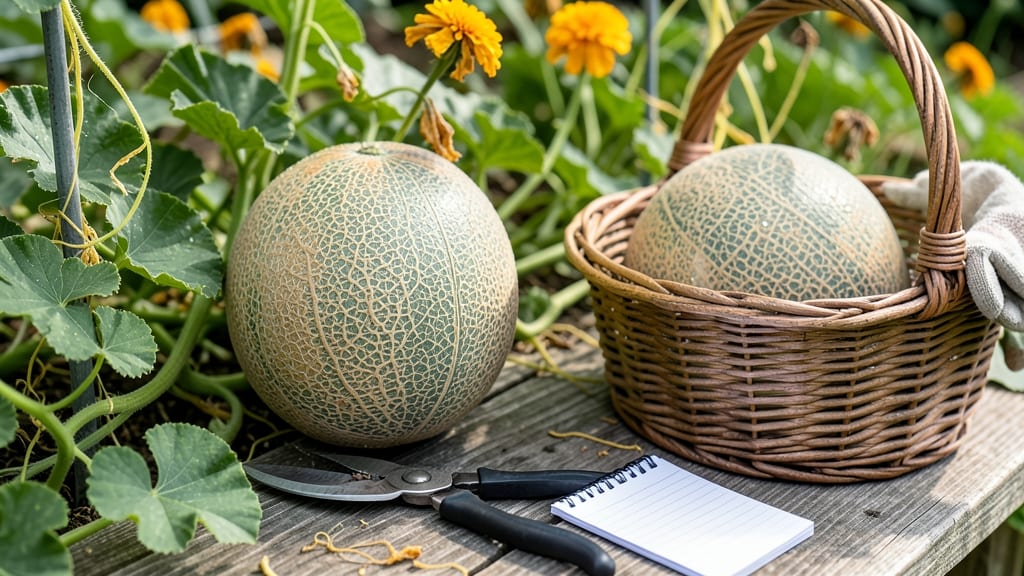
Harvesting muskmelon at the right time ensures you get that perfectly sweet, juicy flavor you’ve been waiting for—yet knowing when to pick these 🍈 can feel like guessing.
If you’ve ever bitten into a muskmelon that’s either bland or overly mushy, you know the frustration. The difference between a great harvest and a disappointment often comes down to three simple tactile tests—no knife required.
In this guide, I’ll walk you through how to check for stem detachment, blossom-end color, and that telltale hollow thump to nail ripeness every time. No more second-guessing, just confident, flavorful fruit.
You’ll also learn how to store your harvest to keep that sweetness locked in for days, so you can enjoy your garden’s best work long after the picking season ends.
3 Tactile tests to check muskmelon ripeness without cutting
Determining when to harvest muskmelons can feel like guessing—until you learn these three tactile tests. Unlike cucumbers or tomatoes, muskmelons don’t ripen further after picking, so accuracy matters. These methods let you assess ripeness without cutting, preserving the fruit’s integrity while ensuring peak flavor and texture.
I’ve tested these techniques across multiple seasons, and the stem detachment test alone has saved me from harvesting muskmelons that were still weeks away from sweetness.
The key is combining all three tests for the most reliable results. Let’s break down each method step-by-step, so you can confidently pick muskmelons at their prime.
Gently twist the stem near the fruit. If it slips off with slight pressure, the muskmelon is ripe. A firm attachment means it needs more time.
Check the end where the flower was attached. A creamy yellow or light tan signals ripeness. If it’s still white or green, wait 3–5 more days.
Hold the muskmelon and thump it gently with your knuckle. A hollow, echoing sound means it’s ripe. A dull thud indicates it’s underripe or overripe.
The stem detachment test is my go-to because it’s the most reliable indicator of internal sugar development. Muskmelons produce ethylene gas as they ripen, which weakens the stem’s connection to the vine. When you feel that slight give, it’s your cue to harvest—usually within 24 hours to avoid overripeness.
Next, the blossom-end color provides a visual cue that’s easier to spot than you might think. I’ve noticed that muskmelons ripen fastest in hot, dry conditions, so the blossom end can change color overnight.
If you’re harvesting in the morning, check again in the evening—you might find your muskmelon ready for picking!
Don’t overlook the thump test, especially if you’re unsure about the other two signs. This test works because ripe muskmelons develop internal air pockets as their flesh softens.
A hollow sound confirms the fruit’s sweetness and juiciness are at their peak. Pro tip: Test near the blossom end for the most accurate result.
Combine all three tests for the best results. For example, a muskmelon might pass the thump test but fail the stem detachment test—this means it’s overripe and past its prime.
Conversely, if the stem detaches easily but the blossom end is still green, give it another 2–3 days before harvesting.
Timing is everything when harvesting muskmelons. In my garden, I’ve found that late afternoon is the best time to perform these tests because the fruit’s temperature aligns with its ripeness. Cooler mornings can make the thump test less reliable, while the heat of the day can accelerate ripening cues.
Once you master these tactile tests, you’ll never second-guess when to harvest muskmelons again. The difference between a perfectly ripe fruit and one that’s underripe or overripe is dramatic—especially in flavor. Sweet, fragrant muskmelons are worth the patience, and these methods ensure you’ll always pick them at their best.
🍈 Ready to test your muskmelons? Grab a fruit from your garden and try these methods today—your taste buds will thank you!
Why traditional ripeness indicators fail for muskmelons
Many gardeners rely on size or color to judge when muskmelons are ready to pick, but these traditional indicators often lead to disappointment. Unlike apples or tomatoes, muskmelons don’t follow predictable ripening patterns tied to visual cues alone. Their sweetness develops internally, making surface-level checks unreliable.
For example, a large muskmelon might still taste bland if harvested too early, while a smaller fruit could burst with flavor if perfectly ripe. Similarly, uniform color doesn’t guarantee sweetness—some varieties develop deep hues long before reaching peak ripeness, while others stay pale even when ready to eat.
Even firmness is a misleading indicator. Muskmelons soften after they’ve reached their sweetest point, so a firm fruit might be underripe, while an overly soft one could be past its prime. These myths persist because they’re simple to check, but they ignore the complex biochemical processes driving muskmelon ripeness.
- Myth: Bigger = sweeter. Reality: Size varies by variety; some small fruits are sweeter than large ones.
- Myth: Bright color = ripe. Reality: Many muskmelons develop full color before peak sweetness.
- Myth: Firm = good. Reality: Overly firm fruits are often underripe; softness comes after sweetness peaks.
Relying on these cues can lead to wasted harvests or fruits that lack the complex flavor you’re craving.
Science explains why these indicators fail: muskmelons produce sugars and aromatic compounds internally, triggered by ethylene gas and environmental factors like temperature. A fruit’s external appearance doesn’t always reflect its internal ripeness stage.
For instance, cantaloupes (a type of muskmelon) may look ready but taste bland if harvested before their sugar content peaks.
Even stem separation—a popular test—can be tricky. While a stem that twists off easily often signals ripeness, some varieties require a gentle tug, not a sharp pull.
Over-twisting can damage the fruit or vine, reducing future yields. This is why tactile tests (like the thump test or blossom-end color) are more reliable than visual guesswork.
Understanding these failures helps gardeners shift from guesswork to precision. Instead of waiting for a fruit to "look right," focus on internal cues** like aroma, texture, and stem detachment. These methods align with how muskmelons naturally ripen, ensuring you harvest at the sweetest possible moment.