
How To
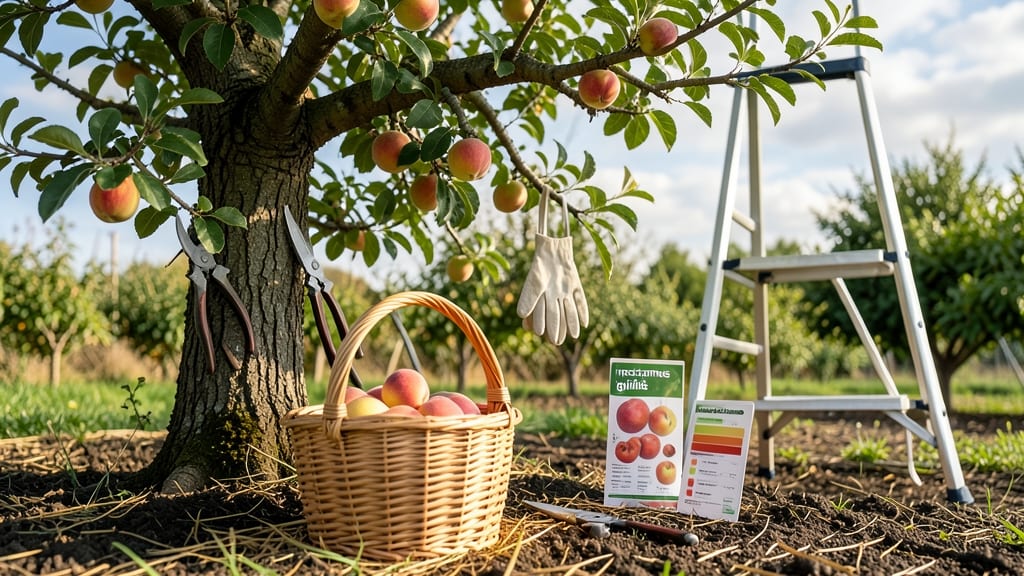
Harvesting nectarines at the right time means the difference between bursting sweetness and mealy disappointment — and it all comes down to knowing when they’re truly ready to pick.
Picking too early means tart, underripe fruit that never softens properly, while waiting too long risks dropping them to the ground or attracting pests. The key is catching that sweet spot where the fruit yields slightly to pressure, smells fragrant, and slips free with a gentle twist.
In USDA Zone 6a, nectarines typically reach peak ripeness between mid-July and August, but heat waves or rain can shift that window.
I’ll walk you through the exact visual cues to look for — color shifts, skin texture, and even the scent test — so you never miss the perfect moment.
Once you’ve mastered the harvest, I’ll share pro tips for storing them to keep that juicy flavor for days, whether you’re eating them fresh or planning to preserve the bounty.
How to test nectarine ripeness: the 3 key signs for perfect harvest timing
Nectarines are climacteric fruit, meaning they ripen best on the tree. Unlike peaches, they never soften properly once picked, so timing is everything. Miss the window, and you’ll end up with mealy, tart fruit or worse—fruit that never ripens at all.
The good news? Three simple tests will tell you exactly when to harvest for peak sweetness.
First, focus on color changes. Ripe nectarines develop their full mature hue, whether that’s deep yellow, vibrant orange, or rich red. A green or blotchy fruit isn’t ready yet—wait at least 3-5 more days for full color development.
This is your first clue that the fruit’s sugar conversion is underway.
🍑 Nectarine Ripeness Summary
| Sign | Ready Indicator | Not Ready Indicator |
|---|---|---|
| Color | Fully mature hue (no green) | Green or patchy coloring |
| Stem Test | Twists off easily with slight resistance | Stays firmly attached or snaps off |
| Firmness | Yields slightly to gentle thumb pressure | Firm with no give or overly mushy |
| Aroma | Sweet, floral scent near stem | No scent or harsh odor |
The stem separation test is my favorite trick—it’s foolproof. Gently grasp the fruit and twist it side-to-side near the stem. If it detaches cleanly with slight resistance, it’s ready.
If it won’t budge or snaps off abruptly, wait another day. This test works because ripe nectarines loosen naturally from the tree as their cell walls break down during ripening.
Next, check fruit firmness with your thumbnail. Press gently near the blush side of the nectarine. A ripe fruit will yield slightly (like pressing a ripe avocado) but won’t feel mushy.
If it’s rock-hard, it’s underripe; if it’s too soft, it’s overripe. This test ensures you catch nectarines at their peak texture, balancing crispness and juiciness.
Pro tip: Harvest in the morning when temperatures are cooler. Fruit picked in the midday heat can overripen quickly, losing flavor and texture. Use clean pruning shears or your hands—never pull the fruit, as this can damage the tree’s branch bark and invite pests.
Store harvested nectarines at room temperature for 1-2 days max to let residual sugars develop.
Here’s a common mistake I see: picking nectarines based on size alone. A large nectarine isn’t necessarily ripe—it could just be water-filled and bland. Always combine color, stem test, and firmness for accurate results. And remember, nectarines don’t ripen after picking like bananas do, so timing is critical.
For regional adjustments, account for your climate. In hotter zones (8-10), nectarines may ripen faster—check daily. In cooler zones (5-7), they’ll take longer to reach peak ripeness. If you’re in Zone 6 or below, consider late-blooming varieties like ‘Redhaven’ or ‘Fantasy’ to extend your harvest window.
Finally, smell the fruit. A ripe nectarine emits a sweet, floral aroma near the stem. If there’s no scent or it smells sharp or fermented, it’s past its prime.
This final check ties all the other signs together—when all three (color, stem test, and aroma) align, you’ve got perfectly timed nectarines ready for picking.
Once you master these three key signs, you’ll never miss the harvest window again. Your nectarines will be sweeter, juicier, and more flavorful than store-bought—worth the patience! Now, grab your shears and head to the orchard—your peak-season fruit is waiting. 🍑
Best time of day and season to harvest nectarines for maximum flavor
Timing your nectarine harvest is everything—picking too early means bland fruit, while waiting too long risks overripe messes. The best flavor comes when you combine seasonal ripeness with daily temperature cues.
In my zone 6a garden, I’ve learned that morning harvests in late summer deliver the sweetest rewards, but regional differences matter.
Nectarines thrive in warm climates like California’s Mediterranean zones, where harvests stretch from June through September. Meanwhile, northern gardeners in zones 4-6 typically see peak ripeness in July-August. The key? Understanding how daytime temperatures between 75°F-85°F accelerate sugar development while preserving texture.
🌱 Pro Tips for Perfect Nectarine Harvests
- 🌞 Morning is best: Harvest between 8-10 AM when temperatures are coolest (65°F-75°F) to preserve sugar concentration.
- 🌡️ Seasonal windows: Southern US (zones 8-11): June-September | Northern US (zones 4-6): July-August.
- 🍑 Temperature triggers: Fruit ripens fastest when daytime highs reach 80°F+ for 3+ consecutive days.
- 🌧️ Avoid rain: Never harvest after wet weather—fruit becomes waterlogged and spoils quickly.
- ⏰ Evening harvests: Only pick afternoons if temps stay below 85°F to prevent over-ripening.
In tropical climates like Florida or Hawaii, nectarines may ripen year-round, but I’ve noticed the sweetest flavor occurs during cooler shoulder seasons (spring/fall). The sugar-to-acid ratio peaks when daytime highs dip to 78°F-82°F—perfect for juicy, balanced fruit.
For US gardeners, this typically means late July in the South and early August in the North.
Pro tip: Watch for color changes paired with stem separation. A ripe nectarine will yield slightly to gentle thumb pressure and detach easily from the tree.
If you’re unsure, pick a few test fruits—underripe ones will improve slightly at room temperature, while overripe ones become mushy within 24 hours.
After harvest, store nectarines at room temperature for 1-2 days to develop full sweetness, then refrigerate to extend shelf life. In my experience, morning-picked fruit lasts 5-7 days in the fridge, while evening-picked fruit may only keep 2-3 days due to faster sugar breakdown.
Remember: Consistency is key. Check your tree every 2-3 days during peak season, and always use sharp pruners to avoid damaging branches. With practice, you’ll train your eye to spot the perfect harvest window—where flavor, texture, and freshness align perfectly. 🍑