
How To
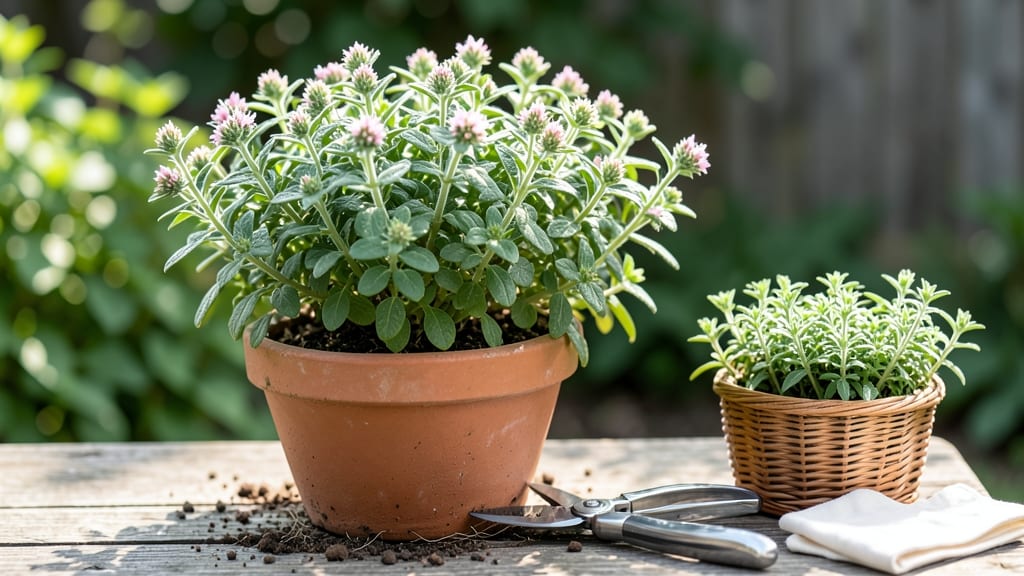
Harvesting oregano for drying at the right time turns your garden into a flavor powerhouse 🌿 — and waiting too long means bitter, woody stems that ruin your bundles.
Picture this: you’ve nurtured your oregano all season, and now the question is when to snip those fragrant leaves. The answer isn’t just about the calendar—it’s about the plant’s leaf color, stem snap, and even the stage of its flowers.
Miss these cues, and you’ll end up with dried oregano that tastes more like kindling than the Mediterranean spice you crave.
In USDA Zone 6, the best window is mid-to-late summer when the plant is 6-12 inches tall, leaves are deep green and aromatic, and flower buds are just forming. But timing isn’t one-size-fits-all—first-year plants need a gentler touch, while mature bushes can handle a heavier harvest.
Below, I’ll walk you through the exact tests to use (yes, there’s a stem snap trick) and how to adjust for your climate.
Once you’ve nailed the harvest, the drying process is just as critical. Learn how to bundle, dry, and store your oregano so it keeps its punch for months—no more sad, flavorless jars gathering dust in your pantry.
How to identify the perfect harvest time using leaf color & stem tests
Harvesting oregano at the right moment ensures your dried bundles retain their bold, earthy flavor and vibrant green color. The key lies in two simple tests: checking the leaf color and performing the stem snap test.
When done correctly, these methods guarantee you’re harvesting at peak maturity—just before the plant shifts into full bloom.
First, focus on the leaf color as your primary indicator. Mature oregano leaves should be a deep, rich green with a slightly wrinkled texture. If the leaves appear pale or still soft, the plant isn’t ready.
Conversely, if they’ve turned grayish-green or brownish, you’ve waited too long, and the flavor will suffer.
Next, use the stem snap test to assess woodiness. Hold a stem between your fingers and gently bend it. If it snaps cleanly with a slight resistance, it’s ready for harvest.
A stem that bends easily (too soft) or breaks with a dry, brittle sound (too woody) means you’re either too early or too late.
🌿 Step-by-Step Guide to Harvesting Oregano
-
Step 1: Check Leaf Color
Look for deep green, wrinkled leaves with a strong aroma. Avoid harvesting if leaves are pale or still tender. -
Step 2: Perform the Stem Snap Test
Bend a stem—it should snap cleanly (not bend like rubber or crumble). This indicates optimal maturity. -
Step 3: Observe Flower Buds
Harvest just as small flower buds form (but before they open). Open flowers signal bitter, woody stems. -
Step 4: Measure Plant Height
Ideal height is 6–12 inches. Shorter plants aren’t mature enough; taller ones may be past their prime. -
Step 5: Harvest in the Morning
Pick stems after dew dries (around 9–10 AM) for maximum oil content and freshness.
Another critical cue is the presence of flower buds. Oregano’s flavor peaks just as tiny buds form—typically in mid-to-late summer (July–August in most USDA zones).
If you wait until flowers fully open, the stems become hard and woody, and the leaves lose their aromatic oils, which are essential for drying.
For first-year plants, be extra cautious. They may reach 6–8 inches tall but lack the bold flavor of mature oregano. Wait until the second year when the plant is 12–18 inches tall and fully established. Mature plants (2+ years old) produce the richest flavor and are ideal for drying.
Pro tip: Always harvest before the heatwave. High temperatures can cause the plant to bolt prematurely, turning leaves bitter. If your region experiences 90°F+ days, prioritize harvesting in early morning or late evening to preserve quality.
Once you’ve confirmed the perfect harvest time, use clean, sharp scissors to cut stems about 2–3 inches above the base. This encourages new growth and prevents the plant from becoming woody at the bottom.
Bundle stems with rubber bands and hang them upside down in a dark, dry, well-ventilated space for 1–2 weeks.
After drying, store your oregano in airtight containers away from light. Properly dried oregano should retain its vibrant green color and intense aroma for up to 12 months. If you miss the window, don’t worry—just prune the plant back to encourage another round of growth for a second harvest.
Mastering these visual cues and tests ensures your dried oregano stays flavorful and aromatic for all your culinary needs. Happy harvesting! 🌿✂️
Best time of year to harvest oregano for maximum flavor & shelf life
Timing your oregano harvest is everything when it comes to preserving its bold, earthy flavor. The best time to harvest for drying falls between mid-summer and early fall, specifically when your plant is 6-12 inches tall and just before flowering.
This window—typically July through September in most USDA zones—ensures peak oil content and vibrant green leaves that dry beautifully.
In USDA zones 7-10, aim for harvests between late July and early August to catch the sweetest flavor before the heat sets in. For cooler zones like USDA 5-6, extend your harvest window into September to take advantage of the longer growing season.
Remember, first-year plants may produce smaller yields, so prioritize mature plants (2+ years old) for the richest flavor.
Here’s a quick reference to help you plan your harvest based on your climate and plant maturity:
| Season | Best Harvest Time | USDA Zones | Plant Maturity | Key Cues |
|---|---|---|---|---|
| Spring | Not ideal (young growth) | All | First-year plants | Soft stems, small leaves |
| Summer | July - August | 7-10 | Mature plants | Woody stems, aromatic leaves, no flowers |
| Fall | September (cooler zones) | 5-6 | All | Bright green leaves, before frost |
| Winter | Not recommended | All | Dormant plants | Brown stems, no growth |
For first-year plants, focus on harvesting younger stems in late summer to encourage bushier growth. Mature plants, however, can handle more aggressive pruning—cut back one-third of the plant at a time to maintain shape and productivity.
Always harvest on a dry, sunny morning to ensure the leaves retain their moisture and oils for the best drying results.
Pro tip: If you miss the summer window, a light fall harvest (before the first frost) can still yield flavorful oregano, though the leaves may be slightly less vibrant. Just avoid harvesting after frost, as the cold can turn your oregano bitter and woody.
Store dried bundles in airtight containers away from light to preserve flavor for up to 12 months.
By aligning your harvest with these seasonal cues, you’ll enjoy oregano that’s bursting with flavor and perfect for drying—no bitter aftertaste in sight! 🌿