
How To
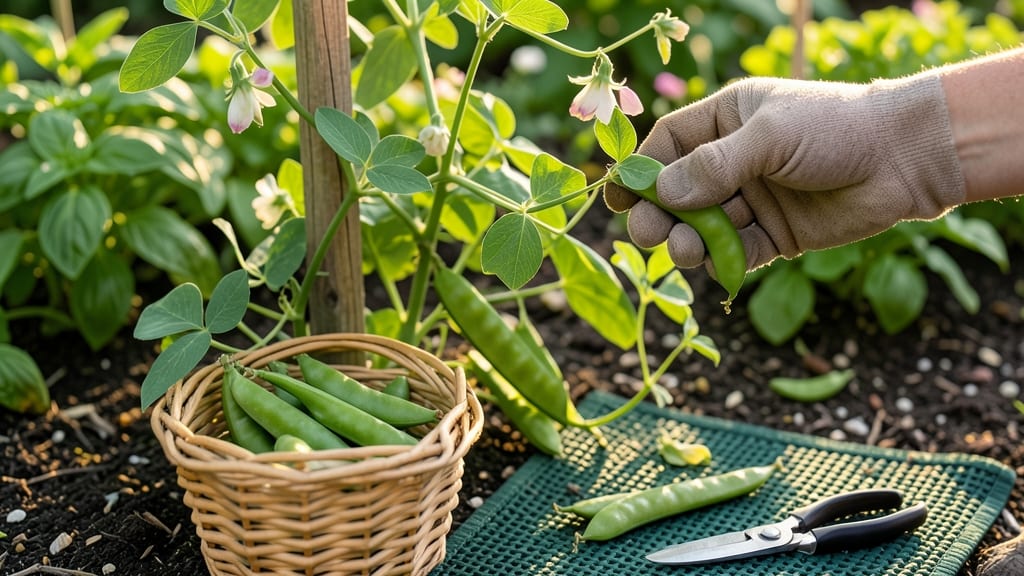
Harvesting pea pods at the right time ensures the sweetest flavor and prevents wasted effort in your garden 🌱—and the secret lies in knowing exactly when to pull them.
Picking too early means tough, underdeveloped pods, while waiting too long turns them mealy or bitter. Most gardeners miss the window because they don’t recognize the subtle cues that signal peak ripeness.
In this guide, I’ll walk you through the foolproof snap test and size check, plus how weather and variety affect timing. You’ll also learn how to store your harvest for maximum freshness.
By the end, you’ll confidently harvest peas at their sweetest, turning your garden’s hard work into delicious meals.
The perfect pea pod size and snap test for harvesting
Harvesting peas at the right moment transforms your garden into a sweet, crisp treasure chest. The key lies in three simple checks: pod size, color vibrancy, and the legendary snap test.
Miss these cues, and you risk tough skins or bitter peas that spoil the harvest. Let’s break down exactly what to look for in each pea variety to ensure peak flavor every time.
Pea pods mature quickly, so checking them daily is ideal. For most varieties, the harvest window is just 2–3 days—after that, sweetness fades fast. Sugar snap peas, snow peas, and shelling peas each have slightly different signals, but the core principles remain the same.
Start by examining the pod length, which is your first major clue.
| Variety | Pod Size | Color | Snap Test | Harvest Time |
|---|---|---|---|---|
| Sugar Snap Peas | 1.5–2.5 inches | Bright green | Snaps cleanly with slight bend | 65–75 days |
| Snow Peas | 2–3 inches | Vibrant green | Snaps with a crisp break | 60–70 days |
| Shelling Peas | 1–2 inches | Deep green | Snaps with a hollow sound | 70–80 days |
The snap test is your foolproof trick—gently bend a pod sideways. If it snaps cleanly with a slight give, it’s ready. Sugar snap peas should break with a satisfying pop, while shelling peas emit a hollow thwack.
Overripe pods resist bending or feel rubbery. For snow peas, aim for a flat pod with no bulging seeds—harvest when they’re still tender and crisp.
Color is your third clue. Look for vibrant green pods, not dull or yellowing ones. Some heirloom varieties develop a slight waxy sheen when ripe—this is normal. Avoid harvesting in the heat of the day; pods can taste bitter when temperatures exceed 80°F (27°C).
Early morning harvests yield the sweetest peas, as sugars peak after overnight cooling.
Environmental factors can shift your harvest timeline. Cool weather (50–70°F or 10–21°C) slows maturation, while warm spells speed it up.
If your pods swell faster than expected, check them daily to avoid missing the window. Overripe peas develop tough skins and bitter flavors, so stay vigilant—especially with shelling peas, which have the narrowest harvest window.
For bush peas, harvest from the bottom up to encourage upward growth. With climbing varieties, focus on the lower pods first, then work your way up the trellis.
Always use clean, sharp scissors or pinch pods at the stem to avoid damaging the plant. This small detail keeps your pea plants productive for weeks longer.
Pro tip: If you’re unsure, harvest a few pods and taste-test them. The sweetest peas have a juicy, crisp texture with minimal fiber. If they’re bland or mealy, they’re past their prime.
With practice, your snap test skills will sharpen, and you’ll consistently pick peas at their peak—turning your garden into a sweet, green goldmine.
Remember, the more you harvest, the more your pea plants produce. Regular picking encourages new flower blooms and extends the harvest season by 2–4 weeks. So grab those scissors, test those snaps, and enjoy the rewards of perfectly timed pea harvesting!
Common harvesting mistakes that ruin pea flavor
Peas are at their sweetest when harvested at the perfect moment—but that window is short. Harvesting too early leaves you with tiny, underdeveloped pods, while waiting too long turns them tough, fibrous, and bitter. Even a day’s delay can make the difference between garden-fresh sweetness and disappointment.
Many gardeners make the mistake of assuming "bigger is better," but overripe peas lose their delicate flavor fast. The texture changes first—pods become leathery, and the peas inside swell, crowding out that crisp, tender quality we all love.
Even the color fades from vibrant green to dull, signaling it’s past prime.
⚠️ Warning: Overripe Peas = Bitter Flavor
Harvesting peas when they’re too mature triggers bitterness and tough skins. Look for these red flags:
- Pods > 2.5 inches – Seeds inside are too large, making peas mealy.
- Dull green color – Vibrant peas fade as they age.
- Leathery texture – Squeeze gently; if it feels tough, it’s past its prime.
Pro Tip: Check daily during peak harvest season to avoid missing the sweet spot!
Another common mistake is harvesting inconsistently. Peas produce new pods quickly, so skipping a day can lead to a surge of overripe pods all at once. This isn’t just about flavor—it also stresses the plant, reducing future yields.
I’ve seen gardeners pull every pod at once thinking they’re helping, but this shocks the plant and halts production.
Even the time of day matters. Harvesting in the morning after dew dries ensures pods are crisp and sweet. Waiting until afternoon can mean wilting pods and a loss of that fresh-picked flavor.
If you’re harvesting later in the day, pick only the ripest pods and store them in the fridge until you’re ready to use them.
Variety matters too! Sugar snap peas and snow peas have different ideal harvest times than shelling peas. For example, sugar snaps should be harvested when pods are flat and crisp, while shelling peas need slightly larger pods with plump peas inside.
Ignoring these differences can lead to uneven flavor across your harvest.
To avoid these mistakes, set a reminder to check your pea plants every 2-3 days during peak season. Use the snap test—gently bend a pod; if it snaps easily, it’s ready.
If it bends without snapping, wait another day. With this approach, you’ll enjoy consistently sweet peas all season long.