
How To
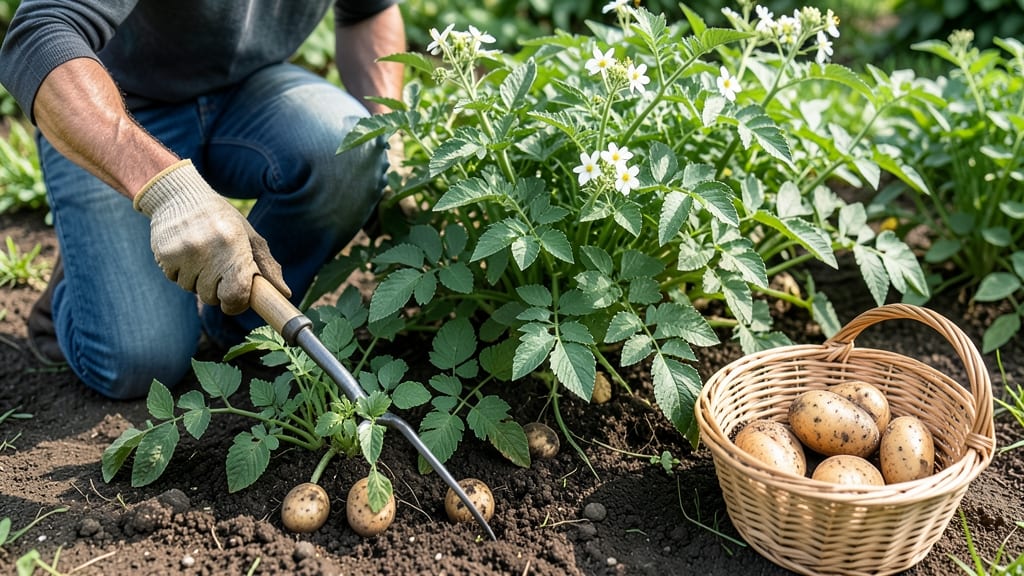
Harvesting potatoes in Missouri at the right time means the difference between fluffy, perfect spuds and tough, shriveled messes.
Missouri gardeners know that timing potato harvests wrong can mean the difference between a bumper crop and wasted effort—but with fluctuating soil temperatures and unpredictable weather, when exactly should you dig up those 🥔?
For most varieties, the window opens when soil temperatures dip into the 50°F–60°F range, usually between mid-July and early September, depending on your exact USDA zone (5b-6b).
But it’s not just about the calendar—leaf yellowing, flower wilting, and even a light scratch test tell you when those tubers are ready.
Below, I’ll break down the soil temperature triggers by variety, how to spot readiness in the field, and how to handle Missouri’s tricky frost dates so you don’t lose your harvest to an early freeze.
Missouri potato harvest timeline: soil temperature triggers by variety
Missouri's variable climate makes potato harvest timing tricky, but soil temperatures are your best guide. Most varieties thrive when soil reaches 50°F-60°F—the sweet spot for tuber development. Early varieties like Yukon Gold may be ready by mid-July, while late varieties like Russet Burbank often need until September.
Missouri's USDA Zones 5b-6b mean frost-free days (165) play a huge role. If your last frost hits October 15, you've got about 120 days to grow potatoes—plenty for most varieties. But soil temperature is the real game-changer, not just calendar dates.
Growing Degree Days (GDD) help Missouri gardeners predict harvest times more accurately. Most potato varieties need 1,000-1,500 GDD to mature. In Missouri, this typically translates to July-August for new potatoes and August-September for full-sized tubers.
Here’s a quick breakdown of when to expect harvest-ready soil temps in Missouri:
| Variety Type | Soil Temp Trigger | Missouri Harvest Window | GDD Target | Key Visual Cue |
|---|---|---|---|---|
| Early (e.g., Red Pontiac) | 50°F-55°F | Mid-July to early August | 900-1,100 | Flowers appear, tubers 1-2" |
| Mid-Season (e.g., Kennebec) | 55°F-60°F | Late July to mid-August | 1,100-1,300 | Foliage yellows, tubers 2-3" |
| Late (e.g., Russet Burbank) | 60°F+ | Late August to September | 1,300-1,500 | Foliage dies back completely |
For early varieties, I always check soil temps first—don’t wait for foliage to yellow. If your soil hits 50°F in mid-July, it’s time to dig. These potatoes are perfect for new potatoes or quick cooking, so don’t delay!
Mid-season varieties like Kennebec are my favorites—they balance yield and ease. Watch for foliage yellowing and tuber firmness when soil temps hit 55°F-60°F. This usually lands in late July in Missouri’s warmer southern regions but may stretch into early August in cooler northern areas.
Late varieties like Russet Burbank need patience. They’ll keep growing until soil temps drop below 60°F, often until September. Wait until full foliage dieback—this ensures maximum tuber size. In Missouri, this usually aligns with first frost warnings, so plan accordingly.
Pro tip: Use a soil thermometer to track temps—Missouri’s clay-heavy soils can retain heat longer than sandy soils. If your soil stays above 60°F into September, you might get a second harvest wave for late varieties.
Don’t ignore Missouri’s frost dates either. If frost threatens before your potatoes are ready, cover them with straw mulch to protect tubers from cold damage. This buys you extra time to harvest without sacrificing yield.
Remember, harvest timing affects storage life too. Potatoes harvested too early (green stem ends) won’t store well, while those left too late (shriveled tubers) spoil faster. Aim for that goldilocks zone of 50°F-60°F soil and you’ll be golden.
Signs your Missouri potatoes are ready to harvest (before checking the calendar)
Missouri’s unpredictable weather makes relying on a calendar risky for potato harvests. Instead, focus on your plants’ visual cues—like flower wilting or foliage yellowing—to determine the perfect time. These signs often appear 2-3 weeks before soil temperatures drop below 50°F, giving you a clear window to dig.
For new potatoes, harvest when flowers bloom and tubers reach 1-2 inches in diameter. This usually happens around 50-60 days after planting. For mature potatoes, wait until the plant’s foliage dies back completely, signaling full tuber development.
⚠️ WARNING: Common Harvest Mistakes in Missouri ⚠️
⚠️ Overripe Harvesting – Waiting too long (after foliage fully dies) leads to shriveled, tough-skinned potatoes and higher risk of disease in Missouri’s humid summers.
⚠️ Ignoring Soil Conditions – Harvesting when soil is too wet or too dry damages tubers. Aim for 60-70°F soil temps and moderate moisture for ideal digging conditions.
Test tuber readiness by gently scratching the skin near the soil line. If it resists pressure and feels firm, it’s ready. For early varieties, this happens around July 4th, while late varieties may wait until mid-September.
Missouri’s variable frost dates (mid-October in most regions) mean you must act quickly once foliage yellows. If frost threatens, harvest immediately—even if tubers aren’t fully sized—to avoid rot or spoilage.
Store harvested potatoes in a cool, dark place (50-60°F) with good airflow to prevent greening or sprouting. Avoid refrigeration, as cold temperatures convert starches to sugars, ruining texture.
Pro tip: Hill soil around plants in late June to encourage deeper tuber growth. This Missouri-specific trick helps tubers mature faster, giving you a 2-3 week head start on harvest timing.