
Vegetables
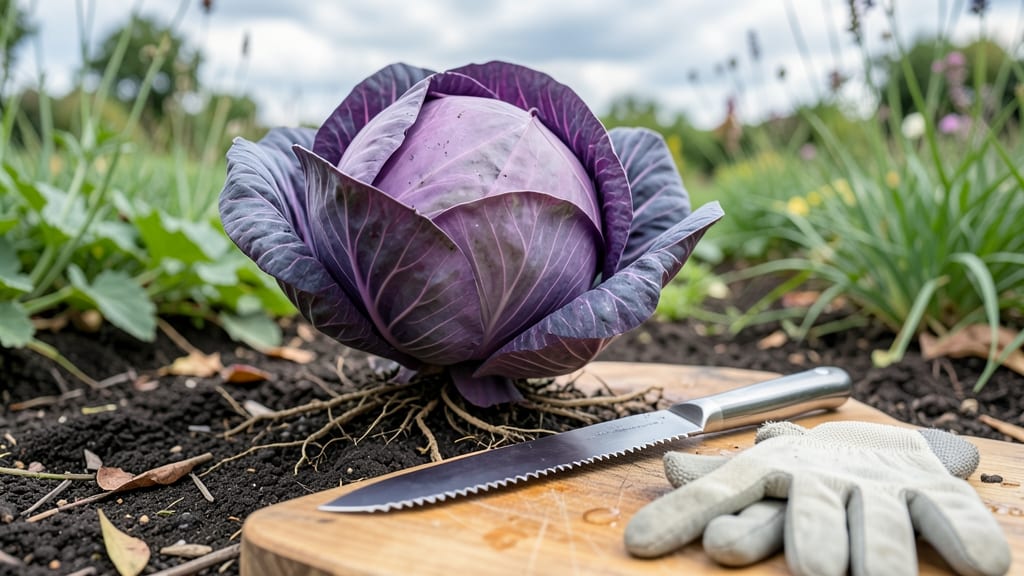
Harvesting purple cabbage at the right time ensures the deepest flavor and longest storage life—so timing your harvest based on color and firmness is the key to success.
You’ve spent months nurturing your 🥬 purple cabbage, but how do you know when those vibrant leaves are truly ready? The answer lies in a simple color shift and texture test that most gardeners miss.
Purple cabbage reaches peak sweetness when its outer leaves deepen to a rich, deep purple hue, while the head stays firm to the touch. Harvest too early, and you’ll lose flavor; wait too long, and the head may split or bolt.
In this guide, I’ll walk you through the exact visual cues, seasonal adjustments, and harvesting techniques to ensure your purple cabbage is at its best—whether you’re storing it for winter or enjoying it fresh.
How to use the purple cabbage color test for harvest timing
Purple cabbage’s stunning deep purple hue isn’t just for aesthetics—it’s a color-coded harvest guide that reveals when your cabbage is at its peak flavor and texture. The key? Watching for greenish edges on the outer leaves, which signal the perfect moment to harvest.
This color shift happens due to anthocyanin breakdown, the pigment responsible for that rich purple color.
The science behind the shift is fascinating: when cabbage matures, sunlight and heat trigger chlorophyll production in the outer leaves, turning them from deep purple to greenish-yellow. This change means the inner leaves have reached their sweetest, crispest stage—ideal for eating fresh or storing.
Ignoring this cue can lead to bolting (flower stalk growth) or bitter, woody texture.
Here’s the golden rule: harvest when 10-20% of the outer leaves show greenish edges while the core remains deep purple. This balance ensures you get the best flavor and storage life.
For example, if you planted seeds in early April, expect this color shift around mid-to-late July in USDA Zone 6a.
🥬 Purple Cabbage Harvest Timeline Guide
| Stage | Visual Cues | Days to Harvest | Action |
|---|---|---|---|
| Seedling | Small purple leaves, no head formed | 0-30 days | Thin seedlings; ensure 18" spacing |
| Head Formation | Leaves tighten into compact head, deep purple | 30-60 days | Monitor for pests; water consistently |
| Early Maturity | Head firm, no green edges, leaves tightly wrapped | 60-75 days | Wait for color shift before harvesting |
| Peak Harvest | 10-20% green edges, core remains deep purple, firm head | 75-90 days | Harvest immediately for best flavor |
| Over-Mature | >50% green leaves, head loosens, may bolt | 90+ days | Use for cooking (less crisp); avoid storage |
💡 Pro Tip: Harvest on a cool, dry morning to preserve texture and extend storage life.
The color test works best in full sun conditions (6-8 hours daily), where the anthocyanin pigment stays vibrant longer. If your cabbage is growing in partial shade, the color shift may happen 2-3 weeks later due to slower chlorophyll production.
For example, in USDA Zone 5, shade-grown cabbage might not show green edges until early August.
Seasonal timing also plays a role. In warmer climates (Zones 8-10), purple cabbage may mature faster, with the color shift appearing as early as June. Conversely, in cooler regions (Zones 3-4), you might not see the shift until late August or September.
Always adjust your harvest expectations based on your local last frost date and average summer temperatures.
Don’t rely solely on color—also check the head’s firmness. A ready-to-harvest cabbage should feel solid and heavy for its size when lifted. Gently squeeze the head: if it doesn’t dent easily, it’s perfect.
Pair this test with the color shift for foolproof timing. For instance, if your cabbage is firm but still fully purple, wait 3-5 more days for the edges to lighten.
Regional variations matter too. In humid climates like the Southeast, purple cabbage may develop green edges faster due to higher moisture levels accelerating chlorophyll production. In dry climates like the Southwest, the shift might be slower because drought stress delays maturity.
Always adjust your harvest window based on your local weather patterns and soil conditions.
Once you’ve confirmed the green-edged, firm-head stage, act quickly! Purple cabbage’s sweetness peaks at harvest and declines within 24-48 hours if left on the plant. Use a sharp knife to cut the head 1-2 inches above
Best practices for harvesting purple cabbage to maximize sweetness
Harvesting purple cabbage at the right moment transforms its natural sweetness from subtle to spectacular. The difference between a crisp, flavorful head and a bitter, tough one often comes down to technique and timing.
I’ve learned that even a 1-2 day delay can turn your perfect cabbage into something barely edible, so let’s dive into the best methods to preserve that vibrant purple hue and sweet flavor.
First, always harvest on a cool, cloudy morning when temperatures are below 75°F (24°C). This prevents stress on the plant and keeps the cabbage crisp and sweet. Avoid harvesting after rain or in extreme heat, as this can cause the heads to soften or develop off-flavors.
I’ve made this mistake in my own garden, and the results were disappointing—mushy texture and a loss of that signature sweetness.
⚠️ WARNING: Harvesting Too Late Ruins Flavor ⚠️ Harvesting purple cabbage too late is a common mistake that turns sweetness into bitterness. When the outer leaves start splitting or the head feels loose, it’s a clear sign you’ve waited too long.
Overripe cabbage loses its vibrant purple color and develops a woody core, making it less enjoyable to eat. Even worse, the plant may bolt prematurely, sending up a flower stalk and ruining your harvest entirely.
Pay attention to these visual cues to avoid wasting your hard work in the garden.
Now, let’s talk about the two best harvesting methods: the knife cut and the twist-and-pull technique. For the knife method, use a sharp, clean knife to cut the head about 1 inch above the base.
This leaves the roots intact, allowing the plant to potentially produce a smaller second head if cared for properly. I prefer this method for larger cabbages, as it gives me cleaner cuts and less risk of damaging the plant.
The twist-and-pull method is ideal for smaller heads or when you want to remove the entire plant. Simply grasp the head firmly and twist it gently but firmly while pulling upward. The goal is to avoid tearing the leaves, which can lead to rot.
This method works well if you’re harvesting the last of your cabbage or if the plant looks exhausted. Just be sure to leave a small portion of the stem attached to prevent the head from drying out too quickly.
Once harvested, your purple cabbage needs immediate care to preserve its sweetness. Store it in a cool, dark place with high humidity, like a root cellar or refrigerator crisper drawer.
Wrap the head loosely in plastic wrap or place it in a perforated plastic bag to retain moisture without causing rot. I’ve found that cabbage stored this way stays fresh for up to 4 weeks, with minimal loss of sweetness or texture.
If you’re not ready to use your entire harvest at once, consider fermenting or freezing the cabbage. Fermentation preserves the vibrant purple color and enhances sweetness, while freezing works well for cooked dishes.
Just be sure to blanch the cabbage first—90 seconds in boiling water followed by an ice bath—to lock in flavor and texture. With these techniques, you’ll enjoy your purple cabbage harvest long after the growing season ends.