
Vegetables
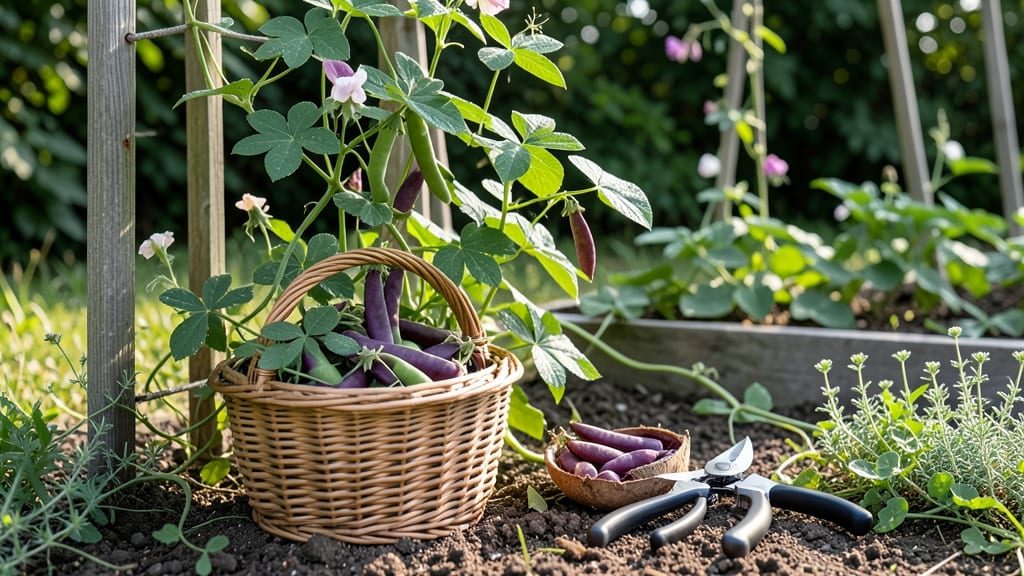
Harvesting purple hull peas 🌱 when pods crack open and seeds darken is the secret to sweet, tender peas that taste like summer in every bite.
Picture this: you’ve waited months for your purple hull peas to thrive, only to open a pod and find tough, stringy peas or shriveled seeds. That’s the difference between a perfect harvest and a wasted effort—and it all comes down to timing.
In USDA Zone 6a, where most gardeners grow these peas, the ideal harvest window falls between July and August, but the real magic happens when you spot three key signs: pods reaching 2-3 inches, a slight bulge where peas form, and shells that are firm but not woody.
Below, I’ll break down exactly how to test for readiness, regional tweaks for your climate, and what to do once you’ve got your hands on those sweet, plump pods—because once you master this, you’ll never miss the window again.
3 Visual tests to determine when purple hull peas are ready for harvest
Harvesting purple hull peas at the perfect moment transforms your garden into a flavor factory. But miss the window, and you’ll end up with either tough, stringy peas or dry, shriveled pods.
The key is knowing these three foolproof visual cues that signal peak ripeness. I’ve learned the hard way—overripe peas lose their sweetness and texture faster than you can say "pod explosion."
First, let’s address the biggest mistake I see in gardens: harvesting based on plant age alone. Purple hull peas mature between 70-90 days, but counting days won’t tell you if the pods are ready.
Instead, focus on what’s happening right in front of you. The plant’s signals are clear if you know where to look. Here’s how to decode them.
- 1 Pod Color Shift: Start with green pods that gradually deepen to a purple hue. The ideal harvest moment is when the pod’s purple color covers 50-70% of its surface—this means the peas inside are plump and sweet. Avoid pods that turn fully purple or brown, as they’ll be dry and mealy.
- 2 Seed Development: Gently squeeze the pod—if you can see dark green or black seeds through the skin (without crushing it), they’re ready. The seeds should fill the pod but not be overcrowded. Overripe pods will have seeds that are hard and shriveled, while underripe pods will feel hollow when tapped.
- 3 Shell Texture: Run your thumb along the pod’s seam. It should feel slightly fibrous but not woody. If the pod snaps easily when bent (but doesn’t crack open), it’s perfect. Avoid pods that are too soft or mushy—these are underripe—or hard and dry, which means the peas inside are past their prime.
Pro tip: Harvest in the morning when pods are cool and crisp. This is when their sugar content peaks, and the peas will be at their most tender. I’ve found that checking pods every 2-3 days in peak season keeps me from missing the window.
If you’re unsure, harvest a few pods to taste-test—they should snap cleanly and have a sweet, fresh flavor.
One common pitfall is assuming all pods on a plant are ready at once. Purple hull peas mature unevenly, so check multiple pods across the plant. I’ve seen entire harvests ruined because someone assumed all pods were ripe based on one or two.
Always sample 3-5 pods from different parts of the vine to confirm readiness.
If you wait too long, the pods will dry out and split open, releasing seeds onto the ground. While you can still save those seeds for next year, the peas inside will be tough and bland.
On the flip side, harvesting too early means small, underdeveloped peas with a gritty texture and minimal flavor. The 2-3 inch rule is your best friend—pods should be this length when they’re ready.
Another visual clue? Look at the plant’s leaves. As pods mature, the lower leaves may start to yellow and crisp. This is the plant’s way of telling you it’s redirecting energy to the pods.
However, don’t wait until leaves yellow—by then, some pods may already be overripe. Stay ahead of the game by harvesting before this happens.
For container growers, timing can be trickier because space is limited. In pots, pods often mature faster due to warmer soil temperatures. Check pods daily once they reach 1 inch long to avoid missing the harvest window.
And remember: prune regularly to improve airflow, which helps pods mature evenly.
Once you’ve mastered these three visual tests, harvesting purple hull peas becomes second nature. The first few times, you might hesitate—should I pick this one?—but after a few harvests, you’ll recognize the perfect moment like a pro.
And trust me, there’s nothing like the satisfaction of a fresh pod snapped open to reveal plump, sweet peas ready for your table.
How to harvest purple hull peas without damaging the plant (step-by-step guide)
Harvesting purple hull peas at the right time ensures tender, flavorful pods while keeping your plant productive. The key is gentle handling and consistent timing—pick too early, and you’ll get tough peas; too late, and the pods turn woody.
I’ve learned the hard way that daily checks during peak season make all the difference in maximizing your yield without stressing the plant.
Your harvesting frequency depends on your plant’s maturity and growing conditions. In hot climates, pods mature faster, so you may need to harvest every other day.
In cooler regions, every 2-3 days keeps the plant producing. Always prioritize morning harvests when pods are crisp and full of moisture—this preserves their sweetness and texture.
Step-by-Step Harvesting Guide
- 1 Check pods daily for 2-3 inch length and firm but tender texture. Avoid harvesting when pods are soft or woody.
- 2 Use clean pruning shears or your fingers to twist pods gently at the stem. Never pull—this can uproot the plant or damage vines.
- 3 Discard overripe pods (dry, brown, or cracked) immediately. These won’t improve—only underripe pods (small, green, and soft) can be saved by leaving them on the vine 1-2 more days.
- 4 Store harvested pods in a paper towel-lined container in the fridge for up to 5 days. For longer storage, shell and freeze peas immediately to lock in freshness.
- 5 After harvest, water the plant deeply and add a light fertilizer (10-20-10) to encourage continued production. Avoid heavy feeding—it can lead to leafy growth over pods.
If you miss the peak harvest window, don’t panic—purple hull peas often produce a second flush of pods if you keep the plant healthy. Focus on removing old pods and pruning damaged vines to redirect the plant’s energy.
I’ve had success extending my harvest by 3-4 weeks this way, especially in Zone 7+ climates with longer growing seasons.
Pro tip: Label your plants if you’re growing multiple varieties. Purple hull peas cross-pollinate easily, and mixing them with other peas (like black-eyed peas) can lead to unpredictable seed colors next season. Always save seeds from isolated plants if you want true-to-type peas for next year.
Finally, rotate your harvest locations if you’re growing peas in containers or raised beds. This prevents soil depletion and reduces the risk of disease buildup like powdery mildew. A little planning now means bigger, healthier yields next year.