
How To
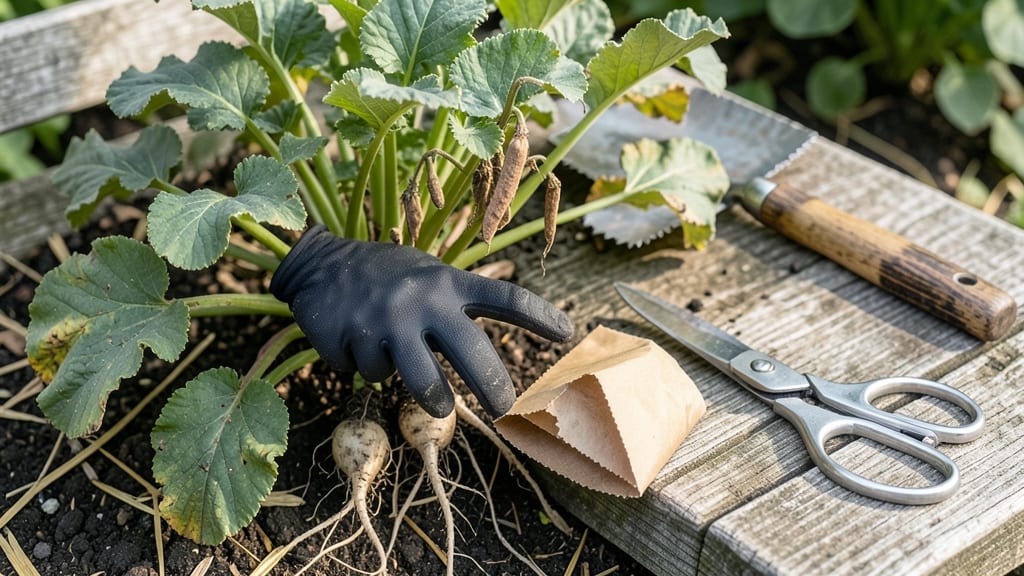
Harvesting radish seed pods at the right moment ensures you save viable seeds for next year’s garden 🥕 — and missing the window means wasted effort.
Picture this: You’ve spent weeks growing your radishes, and now the pods are drying on the vine. But how do you know when they’re truly ready? Harvest too soon, and the seeds won’t germinate; wait too long, and they’ll scatter or lose viability.
The key is watching for the perfect cues—like brown, papery pods and a faint rattle when shaken—before they split open.
Timing matters even more in Zone 6a, where spring and fall frost dates bookend the growing season. A late harvest in May or an early one in September can leave pods exposed to damp conditions, inviting mold or rot.
Below, I’ll walk you through the dry and split tests, the two foolproof ways to confirm your radish seeds are ready for collection—and how to store them properly once you’ve got them in hand.
Whether you’re a first-time seed saver or a veteran gardener, these steps will help you avoid common mistakes and maximize your yield. Ready to turn this year’s radishes into next year’s plants? Let’s dive in.
How to identify the perfect time to harvest radish seed pods
Harvesting radish seed pods at the right moment ensures you collect viable seeds for next season’s garden. The key lies in observing visual maturity cues and environmental conditions that signal readiness.
Miss this window, and you risk gathering seeds that won’t germinate—or worse, letting the pods shatter and scatter seeds prematurely.
Radishes typically produce seed pods 45-60 days after flowering, but timing varies by variety and climate. In cooler regions like USDA Zone 6a, pods mature earlier in spring (April-May) or fall (September-October). Warmer climates may see extended harvest windows, but the pod’s physical state—not the calendar—determines readiness.
| Stage | Pod Appearance | Seed Condition | Action |
|---|---|---|---|
| Early Maturity | Green, firm, glossy | Seeds not visible | Wait 1-2 weeks |
| Mid-Maturity | Green-brown, slightly dry | Seeds faintly visible | Monitor daily |
| Full Maturity | Brown, papery, rattles | Seeds clearly visible | Harvest immediately |
| Over-Mature | Dry, brittle, splits open | Seeds scatter | Collect remaining seeds |
Start by checking the pod color. Immature pods stay vibrant green, but as they mature, they transition to a dull tan or brown hue. This color shift indicates the pod walls are drying out—critical for seed viability.
Pair this with a texture test: gently squeeze a pod. If it feels dry and papery (like crumpled paper), it’s ready. Still firm? Hold off for another week.
Listen for another telltale sign: a rattling sound when you shake the pod. This noise means the seeds inside have fully developed and are loose within the pod.
Shake a few pods daily once they turn brown—this acoustic cue is your green light to harvest. Ignore it, and you’ll risk losing seeds to wind or rain.
Environmental conditions also play a role. Harvest on a dry, sunny day with low humidity to prevent mold. If rain is forecasted, collect pods immediately—even slightly damp pods can spoil during storage. In humid climates, prioritize harvesting in the morning when dew has evaporated, reducing the risk of fungal growth.
Don’t overlook the plant’s foliage. As pods mature, the radish plant’s leaves will yellow and die back, redirecting energy to seed production. This natural senescence is a final confirmation that your pods are nearing harvest. If leaves remain lush and green, the pods likely need more time.
Regional timing matters too. In cool-season zones (like Zone 6a), aim to harvest seed pods before the first frost (around October 15 in many areas). In warmer climates, pods may mature faster—monitor them closely to avoid missing the window.
Pro tip: Mark your calendar 45-60 days after flowering to stay ahead of the curve.
Once you’ve confirmed all cues align, use clean, sharp pruning shears to snip pods at their base. Leave a short stem (about 1 inch) attached to prevent seeds from falling out during drying.
Lay pods on a paper towel-lined tray in a dry, shaded spot to finish curing for 1-2 weeks before storage.
The dry and split test: how to verify radish seeds are ready for harvesting
Harvesting radish seed pods at the right moment ensures you collect viable seeds for next season’s garden. The dry test and split test are two foolproof methods to confirm seed maturity. These simple checks save you from wasting time on immature or overripe pods that won’t produce healthy seedlings.
First, focus on the pod texture. Mature radish seed pods should feel dry and papery to the touch, almost brittle. If they’re still firm or slightly pliable, they need more time on the plant.
Ignoring this step often leads to seeds that won’t germinate, leaving you with empty seed packets and wasted effort.
- Gently squeeze the seed pod between your fingers. It should feel lightweight and hollow.
- Look for a brown or tan color replacing the green. This indicates full maturity.
- Shake the pod—if it rattles with seeds inside, it’s ready for harvest.
- Use a small knife or scissors to carefully split open a pod lengthwise.
- Check for fully formed seeds that are dark brown or black and plump.
- If seeds are light-colored or shriveled, the pod isn’t mature enough.
- Cut the entire seed stalk with 2-3 inches of stem attached.
- Hang pods upside down in a dry, well-ventilated area for 1-2 weeks.
- Once pods are completely dry, remove seeds and store in a cool, dark place.
Timing is everything when harvesting radish seed pods. If you wait too long, the pods may shatter and scatter seeds, making collection messy. Conversely, harvesting too early results in underdeveloped seeds that won’t sprout.
Aim to harvest pods in the morning after dew has dried for the best results and easiest handling.
After harvesting, label your seeds with the variety name and harvest date. This helps you track performance and plan future plantings. Store seeds in paper envelopes rather than plastic bags to prevent moisture buildup, which can cause mold and reduce viability.
With these tests, you’ll never second-guess whether your radish seeds are ready. Mastering the dry and split test transforms seed saving from guesswork into a reliable process—ensuring your next garden starts with the best possible foundation. Happy harvesting! 🌱