
Vegetables
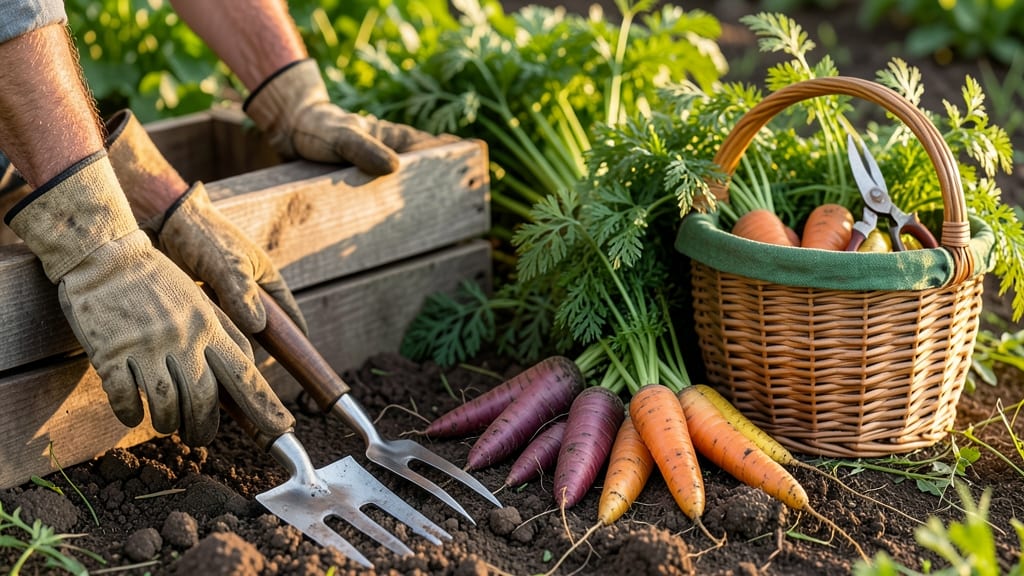
Harvesting rainbow carrots at the right time means the difference between tender, vibrant roots and tough, bitter ones — and the secret lies in their color shifts.
You’ve spent weeks nurturing your 🥕 rainbow carrots, but how do you know when to pull them? The answer isn’t just about size—it’s about the moment their colors deepen from pale to bold, signaling peak sweetness.
Miss this window, and you’ll end up with roots that split or turn woody.
Cooler weather actually speeds up maturity, so timing matters more in spring and fall than in summer’s heat. Below, I’ll walk you through the 3-step color test that guarantees perfect harvests—no guesswork, just vibrant roots ready for the table.
From checking leaf health to testing soil firmness, you’ll learn exactly when to harvest for baby carrots versus full-size roots, plus how to store them for maximum flavor after the pull.
How to identify rainbow carrot maturity using color shifts
Rainbow carrots are a gardener’s pride—not just for their stunning colors but because their color shifts act as a natural harvest calendar. Each variety develops distinct hues as it matures, from creamy white to deep purple, signaling when to pull them for the sweetest flavor and tender texture.
Unlike standard orange carrots, these vibrant roots change color gradually, making it easier to time your harvest perfectly.
Understanding these color-to-maturity correlations ensures you don’t harvest too early (missing sweetness) or too late (risking woody roots). For example, a yellow carrot with orange streaks is typically ready 2-3 weeks earlier than a deep purple variety.
The key is observing the shoulder (the top of the root peeking above soil) and the leaf color, which often darken as the root matures.
The optimal harvest window varies by variety but generally falls between 50-90 days after sowing. Cool weather (like spring or fall) enhances sweetness, while hot summers can make roots mature faster. Pay attention to these visual cues to avoid bitter or fibrous carrots—your taste buds will thank you!
🌱
White and yellow varieties are the fastest maturing, often ready in 50-70 days, while purple and red types take longer due to their deeper pigmentation. The color intensity is your best guide—dull or patchy hues mean they need more time in the soil.
For example, a purple carrot with faint lavender streaks isn’t ready yet, but one with deep violet roots is perfect for harvest.
Texture is another clue: press the shoulder gently—if it feels firm but yields slightly (like a ripe peach), it’s time to harvest. Overripe carrots become woody and lose sweetness, so don’t wait too long after the color shift appears.
A quick check with your fingers can save you from bitter disappointment!
Cooler temperatures (like spring or fall) slow maturity, giving you more time to enjoy the color progression. In hot summers, carrots may mature 2-3 weeks faster, so monitor them closely.
If your garden is in USDA Zone 6a or higher, aim for harvests in May-June or October-November to align with ideal weather conditions.
Pro tip: Thin seedlings early to avoid overcrowding, which stresses roots and delays color development. Space them 2-3 inches apart to give each carrot room to develop its signature hues. Well-spaced plants also make it easier to spot the shoulders peeking above soil, a key sign of maturity.
Once you’ve mastered reading these color signals, you’ll never guess when to harvest again. The next step? Use a 3-step color test to confirm maturity by checking the tops, shoulders, and roots—we’ll cover that in the next section!
For now, keep an eye on those vibrant beds and let the colors guide you to a sweet, flavorful harvest.
Remember, the brighter the color, the sweeter the carrot—nature’s way of telling you it’s time to dig! 🥕
The 3-Step color shift test for perfect rainbow carrot harvest timing
Harvesting rainbow carrots at the right time ensures maximum sweetness and vibrant colors. Unlike traditional orange carrots, these varieties change hues as they mature, giving you clear visual cues.
The 3-step color shift test focuses on three key areas: the foliage color, the shoulder visibility, and the root color intensity. Each step reveals whether your carrots are ready for baby harvests or full-size roots.
Start by examining the top greens. Young rainbow carrots have lush, deep green leaves, but as they mature, the foliage may develop subtle purple or red tinges, especially in varieties like 'Purple Haze' or 'Rainbow Mix'.
This color shift signals the roots are developing their signature hues below ground. Pay close attention to the leaf edges, as they often change first.
Next, check the shoulder visibility. When the carrot's shoulder (top 1-2 inches) becomes visible above the soil line, it’s a strong indicator of maturity. This happens when roots reach their mature size (4-6 inches).
For baby carrots, harvest when only half the shoulder is exposed. Use a ruler or your fingers to gauge depth—this step prevents overgrowth and woody texture.
🌱 Step-by-Step Color Shift Test
- Step 1 Check foliage color: Look for purple or red tinges on leaf edges. Deep green means immature; color shifts mean roots are maturing below.
- Step 2 Assess shoulder visibility: Use your thumb to gauge depth. If 1-2 inches are above soil, full-size carrots are ready. For baby carrots, harvest when half exposed.
- Step 3 Test root color intensity: Dig up 1-2 test carrots. Vibrant, consistent colors (no green tops) mean peak sweetness. Pale or uneven colors mean more time in the ground.
Pro Tip: Harvest in cool mornings to preserve flavor and crispness.
Finally, perform the root color intensity test. Gently dig up 1-2 carrots from the outer edges of your bed. The roots should display vibrant, consistent colors without green tops. If colors are uneven or pale, leave them longer.
For varieties like 'Scarlet Nantes', aim for deep orange-red hues, while 'White Satin' should be creamy white with no green.
Timing is everything for rainbow carrots. Harvest too early, and you’ll miss their peak sweetness and vibrant colors. Wait too long, and they’ll become woody or split.
Use this 3-step test to balance flavor, texture, and visual appeal. For continuous harvests, plant successive batches every 2-3 weeks to enjoy rainbow carrots all season.
Remember, climate matters. In cooler regions (USDA Zone 6a), carrots mature faster in spring or fall, while warmer zones may need shade cloth to prevent bolting. Adjust your timing based on local frost dates and soil conditions for the best results.