
Vegetables
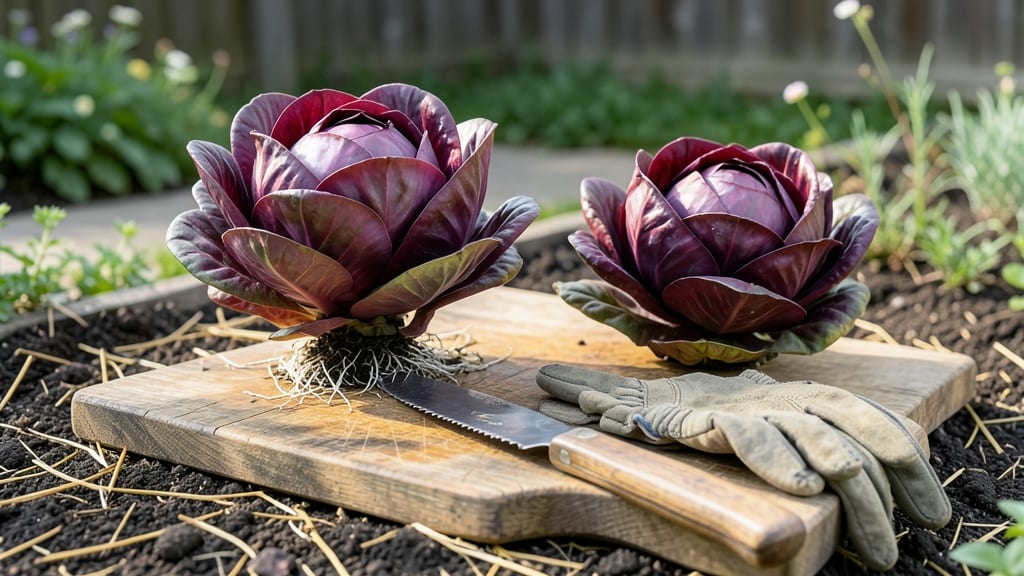
Harvesting red cabbage 🥬 at the right time means the difference between a sweet, crisp head and one that’s tough or bitter.
Timing your harvest perfectly ensures maximum sweetness and crisp texture—but knowing exactly when to pick can be tricky. Miss the window, and you risk tough leaves or bitter flavor, which is why understanding the visual cues is the key.
Most red cabbage varieties are ready to harvest around 90 days after transplanting, but cooler fall weather can slow growth, while warm spring days may speed it up. That’s why checking the head’s firmness, leaf color, and size matters more than a calendar date.
Below, I’ll walk you through the three visual cues that guarantee a perfect harvest, plus how climate and variety tweak the timing. By the end, you’ll know when to pull your red cabbage for the best flavor—and how to store it to keep it fresh for weeks.


3 Visual cues to identify perfect red cabbage harvest time
Harvesting your red cabbage at the right moment transforms a simple vegetable into a flavorful, crisp delight. The difference between a perfectly sweet head and one that's tough or bitter often comes down to timing.
I've learned through years of gardening that visual cues are the best way to determine when your cabbage is ready—no guesswork required.
When I first started growing red cabbage, I made the mistake of waiting too long, ending up with woody stems and bitter leaves. Now, I rely on three key indicators to know exactly when to harvest.
These physical signals ensure I get the best flavor and texture every time, whether I'm growing 'Ruby Perfection' or 'Red Express' varieties.
- 1
- 2
- 3
Firm, Solid Head
Press your thumb gently into the cabbage head. If it feels firm and compact—not squishy or loose—it's ready. A mature head should resist slight pressure without denting.
Vibrant Purple-Red Leaves
The outer leaves should be a deep, rich purple-red, not pale or yellowing. If you see green streaks or fading color, the cabbage is past its prime and may develop a bitter taste.
6-8 Inch Diameter
Measure the widest part of the head. A red cabbage ready for harvest typically measures between 6 and 8 inches in diameter. Smaller heads may still be flavorful but often lack the satisfying size.
One of the biggest mistakes I see gardeners make is harvesting too early because they're eager to enjoy their crop. While a small cabbage might look tempting, it won't have developed the full sweetness or crisp texture you're aiming for.
Patience pays off—wait until all three cues are met before cutting.
If your red cabbage is growing in cool weather (ideal for this vegetable), you'll likely notice these signs 60-90 days after transplanting. In warmer climates, the process might speed up slightly, so keep an eye on your plants daily during peak growing months.
I always check my cabbages in the morning when the heads are firmest after overnight cooling.
When you're ready to harvest, use a sharp knife or garden shears to cut the head about 1 inch above the base. This leaves the lower leaves intact, which can sometimes regrow into a smaller second head. It's a bonus that keeps your garden productive longer!
After harvesting, store your red cabbage in a cool, dark place (like a root cellar or refrigerator) to preserve its vibrant color and crisp texture. Proper storage can extend its freshness for several weeks, giving you time to enjoy your homegrown bounty in salads, stir-fries, or fermented dishes.
Remember, every red cabbage variety has slight differences in maturity timing, so always check the seed packet for specific guidelines. But these three visual cues will serve you well regardless of which type you're growing. Happy harvesting!
Red cabbage harvest timing by variety: early vs. late season differences
Choosing the right red cabbage variety and understanding its harvest window can mean the difference between a sweet, crisp head and a tough, bitter one. Early varieties like 'Ruby Perfection' mature faster, while late-season types like 'Red Express' need more time to reach peak flavor.
Your climate zone also plays a critical role—cool weather speeds up growth, while heat can stall development.
For gardeners in USDA Zones 3-5, spring-planted red cabbage often reaches harvest in June-July, while fall crops mature by October-November. In warmer Zones 7-9, late-season varieties may need 10-12 weeks to fully develop, pushing harvests into November-December.
Knowing these differences helps you plan for the best possible harvest timing.
Variety selection directly impacts your harvest schedule. Early varieties like 'Ruby Perfection' are ideal for quick harvests in 60-75 days, while late-season types like 'Red Express' take 85-100 days. If you're in a short growing season, opt for early varieties to avoid missing your first frost window.
| Variety | Days to Maturity | Best Planting Time | Harvest Window | Climate Zone Fit |
|---|---|---|---|---|
| Ruby Perfection | 60-75 days | Early spring (March) or late summer (August) | June-July (spring) or October (fall) | Zones 3-8 |
| Red Express | 85-100 days | Mid-spring (April) or early fall (July) | August-September (spring) or November (fall) | Zones 4-9 |
| Early Red Ball | 70-80 days | Late spring (April) or mid-summer (July) | July-August (spring) or October (fall) | Zones 5-10 |
If you're growing Ruby Perfection, aim for a June harvest in cooler climates or October for fall crops. This variety thrives in Zones 3-8 and is perfect for gardeners who want a quick turnaround.
For Red Express, plan for a late-season harvest in August-September or push into November in warmer zones.
Don't forget that fall-planted red cabbage often tastes sweeter after a light frost, which enhances its natural sugars. In Zones 7-9, you can even extend your harvest into December if you choose late varieties like 'Red Express'.
Just be sure to monitor your plants closely, as over-maturity can lead to tough leaves and reduced flavor.
For the best results, harvest red cabbage on a cool morning after a light frost if possible. Use a sharp knife to cut the head cleanly, leaving a few outer leaves attached to protect the stem.
Store in a cool, humid environment (like a root cellar) to maintain freshness for up to 2 weeks. With the right variety and timing, you'll enjoy crisp, vibrant red cabbage all season long! 🥬