
How To
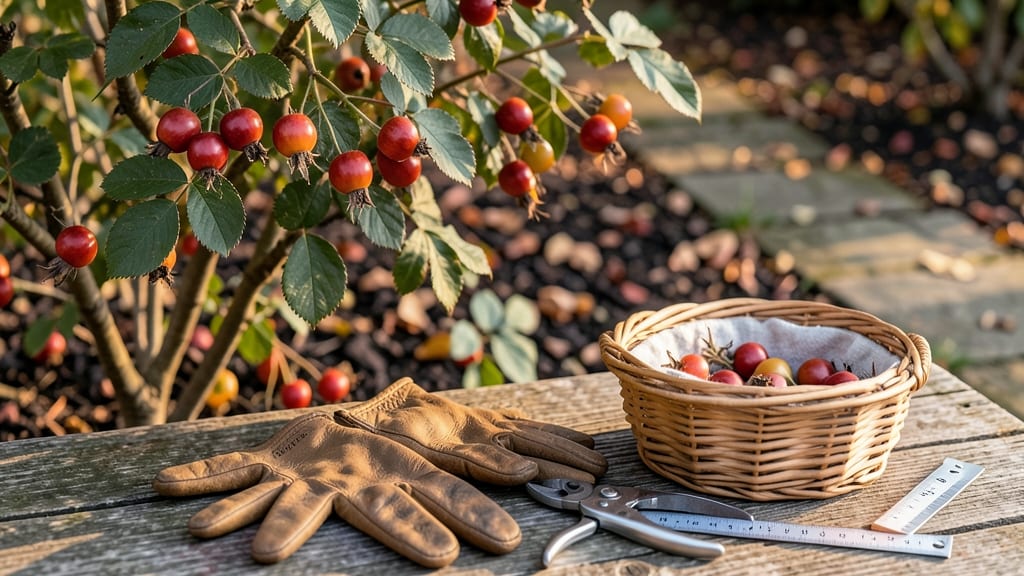
Harvest rosehips when they turn deep red or orange 🌹 — timing makes all the difference between tart disappointment and sweet success.
Picture this: you’ve waited months for your Rosa rugosa or Rosa canina to burst with color, only to pick hips that taste bitter or fall apart in your hands.
That’s why knowing the exact moment to harvest isn’t just helpful—it’s the game-changer between wasted effort and a bounty of nutrient-packed hips for teas, jellies, or supplements.
Most gardeners in USDA Zone 6a can start checking for ripeness in late summer, but the real secret lies in the 3 color-coded stages that signal peak flavor and texture. Skip the guesswork and learn how to spot the perfect moment—before frost or rain ruins your harvest.
Below, I’ll walk you through how to test ripeness, avoid common mistakes, and store your harvest for maximum freshness. Ready to turn your rosehip shrubs into a year-round resource? Let’s get started.
3 Color-coded stages of rosehips for perfect harvest timing
Harvesting rosehips at the right moment transforms them from tart and tough to sweet, nutrient-packed treasures. The key? Watching for three distinct color stages—each signaling different flavor profiles and uses. I’ve learned that picking too early means bitter hips, while waiting too long risks frost damage or over-ripeness.
Let’s break down what to look for at each stage to maximize your harvest’s potential.
First, understand that rosehips develop through three critical color phases: green (unripe), orange (ripe), and deep red (overripe). Each stage offers unique benefits, whether you’re making rosehip tea, jams, or medicinal tinctures.
The orange stage is often the sweet spot for most gardeners, but the deep red stage still has its uses—just with different preparation methods.
Here’s the comparison table to help you identify the perfect moment to harvest based on color, flavor, and nutrient content:
| Stage | Color | Flavor Profile | Nutrient Peak | Ideal Use |
|---|---|---|---|---|
| Green (Unripe) | 🟢 Bright green | Tart, astringent, bitter | Low vitamin C, high tannins | Medicinal tinctures (must cook to remove bitterness) |
| Orange (Ripe) | 🟠 Deep orange-red | Sweet-tart, mild, balanced | Peak vitamin C (5x more than oranges!) | Teas, jellies, syrups, fresh eating |
| Deep Red (Overripe) | 🔴 Rich crimson | Very sweet, mushy texture | Nutrients concentrated but texture softens | Dried powders, fermented drinks, animal feed |
The green stage is where most gardeners make their first mistake. These hips are packed with tannins, which create that unpleasant bitterness. If you harvest too early, you’ll spend extra time cooking or fermenting just to make them palatable.
I’ve tried using green rosehips in teas, and unless you boil them for 10+ minutes, the taste is harsh. Save these for medicinal uses where bitterness is less noticeable.
When rosehips reach the orange stage, that’s your golden window. This is when their vitamin C content peaks—often containing five times more than an orange! The flavor mellows into a pleasant sweet-tart balance, perfect for making rosehip jam or infusing into honey.
I harvest mine at this stage for syrups, which capture the best flavor without needing excessive processing. Just be sure to pick them before the first frost, as cold temperatures can turn them mushy overnight.
Don’t dismiss the deep red stage entirely—it’s ideal for drying or making powders. The texture softens, but the sweetness intensifies. I’ve used overripe hips to create rosehip flour for baking or fermented them into a tangy drink.
However, their short shelf life means you’ll need to process them quickly. If you miss the orange stage, this is your backup, but expect to handle them with care to avoid squishing.
Pro tip: Harvest in the morning when temperatures are cool. This preserves the hips’ moisture and makes them easier to handle. Use clean, sharp pruners to snip the stems just above a leaf node—this encourages more hips to grow next season.
Avoid harvesting after rain, as wet hips bruise easily and spoil faster.
Regional variations matter too. In cooler climates (like USDA Zone 5), rosehips may ripen later, sometimes as late as October. In warmer zones (Zone 8+), they might be ready by September.
Always check your local frost dates and adjust your harvest timeline accordingly. I’ve seen rosehips in my Zone 6 garden turn orange as early as late August, so stay vigilant!
One final reminder: Not all rose varieties produce edible hips. Stick to Rosa rugosa, Rosa canina, or Rosa gallica for the best culinary and medicinal results.
Some ornamental roses have hips that are too bitter or small to harvest. When in doubt, research your specific rose variety before planning your harvest.
Now that you know the color-coded stages, you’re ready to transform your garden into a nutrient-rich harvest. Whether you’re brewing tea, making jams, or drying hips for supplements, timing is everything. Happy harvesting! 🌹
How to Test rosehip ripeness: 5 sensory & visual clues
Harvesting rosehips at the wrong time can turn your nutrient-rich bounty into bitter, unusable fruit. While color changes are the most obvious clue, true ripeness requires testing firmness, scent, and seed development. I’ve learned the hard way—overripe hips taste like sawdust, and underripe ones are practically inedible!
Don’t rely solely on visual cues like deep red hues. Environmental factors like frost, rain, or drought can trick your eyes. Instead, combine these 5 sensory checks to guarantee a perfect harvest for teas, jellies, or supplements.
5 Sensory & Visual Clues for Rosehip Ripeness
- 1. Color Shift: Mature hips turn deep orange-red (not bright red). Rosa rugosa varieties often stay orange, while Rosa canina deepen to red.
- 2. Firmness Test: Gently squeeze—ripe hips feel firm but slightly yielding, like a ripe tomato. Soft hips are underripe; mushy ones are rotting.
- 3. Seed Visibility: Hold a hip to the light—fully formed seeds should be clearly visible through the skin. Cloudy seeds mean it’s not ready.
- 4. Scent Check: A ripe rosehip has a slightly sweet, earthy aroma. Green hips smell grassy; overripe ones smell fermented.
- 5. Snap Test: Twist a hip gently—it should snap cleanly from the stem. If it resists or tears, it’s not fully ripe.
Pro Tip: Harvest on dry, sunny mornings after dew evaporates to avoid mold. Never pick after frost—frost turns hips mealy and flavorless.
Timing matters too—most rose species ripen between late September and October, but Rosa rugosa can hold until November. Check your local frost dates and harvest 2–3 weeks before the first expected frost to avoid ruined batches.
Avoid these harvest mistakes that waste your effort: picking hips still attached to green sepals (they’re underripe), harvesting in rainy weather (increases mold risk), or storing them in plastic bags (traps moisture). Instead, use paper bags for airflow and process within 3–5 days.
Once you master these clues, you’ll consistently harvest sweet, nutrient-packed rosehips—perfect for homemade syrups, teas, or even wildlife-friendly gardens. The key is patience: wait for all 5 sensory signals to align before harvesting.