
How To
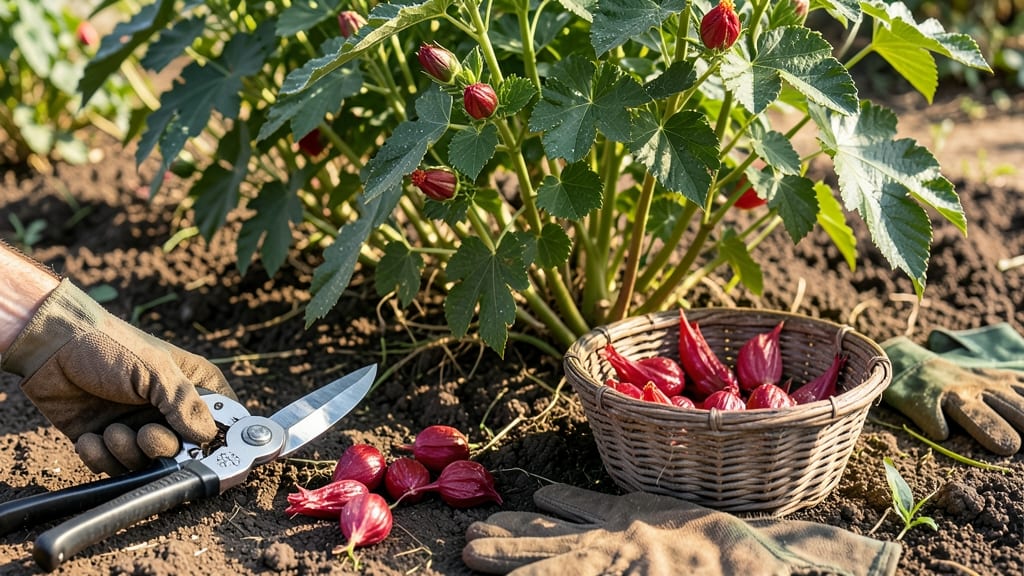
Harvesting roselle at the right time means catching those deep red calyces when they’re tender and packed with flavor—before they turn woody or release seeds.
Picture this: you’ve waited months for your 🌱 roselle to mature, only to pick pods that are either too hard or too bitter. The difference between a perfect harvest and a disappointing one often comes down to two key signs: color and firmness.
Miss the window, and you’ll end up with calyces that either lack the rich, tangy taste you crave or are too fibrous to use in teas, jams, or stews.
But here’s the thing: timing isn’t just about color. Seed development and regional climate play just as big a role. In tropical zones like Florida or West Africa, roselle may ripen faster, while cooler climates like USDA zones 9b+ might stretch out the harvest season.
I’ll walk you through the exact visual cues to look for—plus how to adjust for your specific growing conditions—so you never miss the sweet spot.
You’ll learn how to check for seed maturity, when to expect that all-important color shift, and why harvesting at the right stage can mean the difference between a bold, vibrant tea and a bland one. Let’s get started.
Roselle pod color shift: the 3-Stage visual guide to perfect harvest timing
Harvesting roselle at the right time ensures the best flavor, fiber quality, and seed development. The pods undergo a dramatic color transformation from green to deep red, signaling maturity.
Each stage affects the final product—underripe pods yield bland calyces, while overripe ones develop bitter seeds. Understanding these shifts helps you time your harvest for optimal results.
In tropical climates, roselle pods mature faster due to longer daylight, while temperate zones experience slower ripening. The 3-stage color progression—green, yellow-green, and deep red—serves as your visual guide.
Pay attention to regional climate variations, as they can shift your ideal harvest window by up to 4-6 weeks.
Here’s how the pod color shift correlates with harvest readiness, including how each stage impacts taste and fiber quality:
At Stage 1, roselle pods are bright green and firm, indicating they’re underripe. Harvesting now means sacrificing flavor intensity and fiber quality. These pods are best left on the plant to mature further.
In temperate zones, this stage may last longer due to cooler temperatures, so monitor pods closely.
By Stage 2, the pods transition to a yellow-green hue and reach about 1-1.5 inches in diameter. This is the marginal harvest window, where pods are edible but lack peak flavor.
The seeds are partially developed, making them suitable for fiber extraction but not ideal for culinary use. In tropical climates, this stage occurs 2-3 weeks earlier than in temperate regions.
The deep red or brown color of Stage 3 is your cue to harvest. Pods are now 1.5-2 inches wide, soft to the touch, and packed with optimal flavor. The seeds are fully mature, ready for extraction or planting.
In Florida or West Africa, this stage arrives as early as 6 months after planting, while California growers may wait up to 8 months due to cooler nights.
To confirm readiness, gently squeeze the pod. If it yields slightly under pressure, it’s harvest-ready. Overripe pods may crack open on their own, releasing seeds and reducing quality. In humid climates, overripe pods are more prone to mold, so harvest promptly when you spot the deep red color.
Regional adjustments are key: in short-day tropical climates, roselle matures faster, while long-day temperate zones require patience. For example, Hawaii growers can expect a 30% faster color shift compared to Southern California.
Always stagger your harvest to extend production—pick a few pods daily to enjoy fresh roselle for weeks.
Pro tip: Use a sharp pair of pruning shears to avoid damaging the plant. Cut the pod just above the calyx base, leaving some stem attached. Store harvested pods in a cool, dry place for up to 2 weeks to preserve their vibrant color and flavor.
🌱
Harvesting roselle at the right time ensures sweet-tart flavor and high-quality fiber for your seeds. Overripe pods develop bitter seeds, while underripe ones yield poor fiber content. The key lies in testing pod firmness, seed color, and cracking resistance—three simple checks that save you from wasted harvests. Start by selecting 3-5 mature pods from different branches. Look for pods that have swollen to 1-2 inches and show a deep reddish-brown hue. These visual cues often align with seed readiness, but they’re not foolproof—always verify with physical tests. Inconsistent ripening? It’s common in roselle, especially in variable climates or uneven sunlight. For staggered harvesting, pick pods every 2-3 days once the first batch passes the tests. This extends your harvest window and reduces waste. Store harvested pods in a cool, dry place (60-70°F) for up to 2 weeks—longer storage risks seed spoilage or flavor degradation. Pro tip: Use a sharp pruning shear to cut pods cleanly, leaving a ½-inch stem. Avoid pulling pods, which can damage the plant. If you’re growing roselle for both fiber and seeds, prioritize pods with thicker walls—these yield better fiber quality. Remember, roselle seeds take 6-8 months to mature fully. Patience pays off—overharvesting can stress the plant and reduce future yields. With these tests, you’ll nail the perfect harvest every time! 🌱Seed maturity test: how to check roselle seeds before harvesting
Step-by-Step Seed Maturity Test