
Vegetables
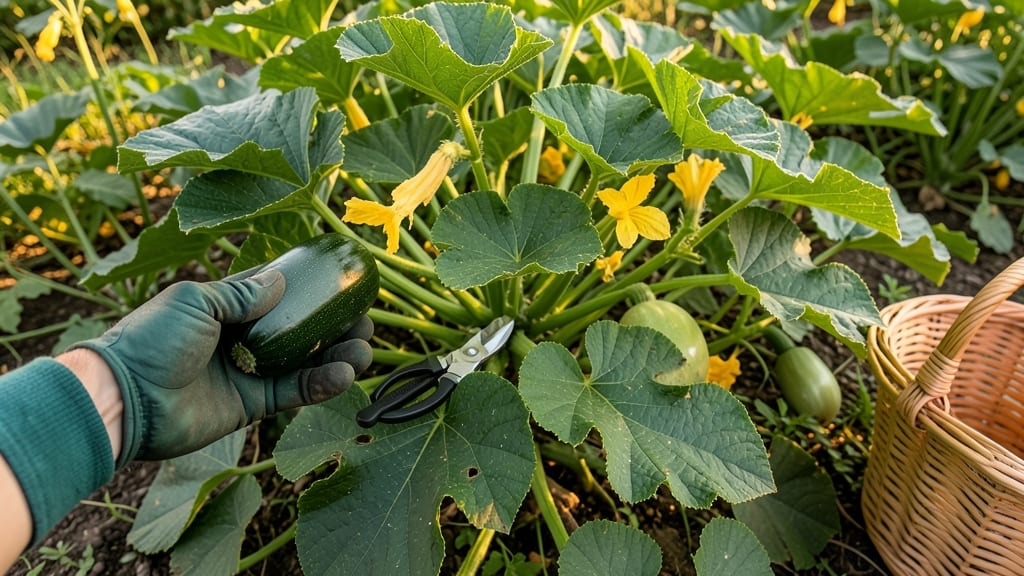
Harvest round zucchini when they reach 6-8 inches—that’s the sweet spot for tender, flavor-packed 🎃 goodness you’ll actually want to eat.
Round zucchini can go from perfectly tender to woody in days—missing the harvest window means tough, seedy disappointment. I’ve learned the hard way that waiting even a few extra days turns a crisp, sweet zucchini into a leathery mess.
Here’s the secret: the 3-finger press test tells you exactly when to pick. Gently press your thumb and forefinger into the skin—if it resists, it’s ready. Too soft? Back in a day or two. Too firm? You’ve waited too long.
Below, I’ll break down the ideal size, color cues, and how your local climate affects timing. You’ll also discover what happens if you harvest too early (bland, watery zucchini) or too late (bitter, seedy frustration).
The 3-Finger press test: how to check zucchini ripeness like a pro
Harvesting round zucchini at the perfect moment means the difference between a tender, sweet vegetable and a woody, seedy disappointment. The 3-finger press test is my go-to method for determining ripeness—it’s quick, reliable, and works for all round varieties like Black Beauty or Golden Zucchini.
This test combines tactile feedback with visual cues to ensure you never miss the window.
Before you even touch your zucchini, check its size and color. Round zucchini should be about 6-8 inches long and boast a deep, even green hue (or golden for heirloom types).
A pale or mottled skin means it’s underripe, while a dull, yellowing color signals overripeness. These visual clues set the stage for the finger test.
Now, here’s how to perform the 3-finger press test like a pro: Gently press your thumb, index, and middle fingers into the zucchini’s skin. If the skin resists slightly but doesn’t dent deeply, it’s ready to harvest.
Think of it as pressing a ripe avocado—just enough resistance to confirm firmness without bruising.
If the skin yields easily under pressure, your zucchini is still underripe. These smaller fruits tend to be watery and bland, lacking the sweetness and texture of a perfectly ripe one.
On the flip side, if the skin feels hard and unyielding, the zucchini has passed its prime, developing bitter, fibrous flesh and large seeds.
🌱Pro Tip: The 3-finger test works best in the morning when zucchini skin is firmer due to cooler temperatures. Avoid testing after a hot day, as the skin may feel softer than usual.
| Ripeness Stage | Size | Skin Texture | 3-Finger Test | Flavor & Texture |
|---|---|---|---|---|
| Underripe | 4-6 inches | Soft, yields easily | Skin dents deeply | Watery, bland |
| Perfectly Ripe | 6-8 inches | Firm but not hard | Resists slightly | Tender, sweet |
| Overripe | 8+ inches | Hard, tough | No give, feels rock-like | Bitter, seedy |
For round zucchini varieties like Ronde de Nice, timing is everything because they ripen faster than their elongated cousins. I’ve found that these globular types reach peak ripeness in just 45-55 days after planting, so check them every 2-3 days once they start flowering.
Use a sharp knife or pruners to harvest, cutting the stem about 1 inch above the fruit to prevent damage to the plant.
Another visual cue to watch for is the stem’s flexibility. When ripe, the stem should bend easily without snapping. If it breaks cleanly, the zucchini is overripe.
This trick works especially well for golden round zucchini, where the stem’s color can also shift from green to brown as the fruit matures.
🌿Common Mistake: Many gardeners wait until zucchini reach 9+ inches before harvesting, thinking bigger means better. But by then, the flesh is often stringy and mealy, and the seeds have hardened.
Round zucchini are at their best when smaller and sweeter—don’t let them fool you with their size!
Once you’ve mastered the 3-finger press test, you’ll never second-guess your harvest timing again. Consistently picking zucchini at this stage encourages your plants to produce more fruits instead of putting energy into overripe ones.
Plus, you’ll enjoy the best flavor and texture in every dish—whether grilled, spiralized, or baked into bread.
✂️Final Tip: Harvest in the morning after the dew has dried but before the heat of the day sets in. This ensures the skin is firm for testing and reduces stress on the plant. Happy harvesting!
Round zucchini harvest timeline: size, color, and seasonal factors
Harvesting round zucchini at the right time ensures crisp, sweet fruits packed with flavor. The ideal window depends on variety, climate, and even whether you planted in spring or summer. I’ve grown Golden Zucchini and Black Beauty for years, and timing makes all the difference.
Most round zucchini varieties reach harvest readiness 50-70 days after planting, but cooler climates or early spring plantings may extend this timeline. For example, Black Beauty often matures faster in warm summers, while Golden Zucchini may take a few extra days in cooler regions.
| Variety | Ideal Size | Days to Harvest | Best Season | Climate Note |
|---|---|---|---|---|
| Golden Zucchini | 6-8 inches | 55-65 days | Summer | Slower in cool springs |
| Black Beauty | 6-8 inches | 50-60 days | Late spring/early summer | Faster in heat |
| Patio Star | 4-6 inches | 45-55 days | Summer | Compact, great for containers |
| Sunburst | 6-7 inches | 55-65 days | Summer | Yellow stripes, heat-tolerant |
Spring-planted zucchini may need 2-3 extra weeks to mature compared to summer plantings. In my Zone 6a garden, I’ve noticed that zucchini planted in late May often ripen faster than those sown in April due to warmer soil temperatures.
Color is another key indicator—look for deep, consistent green (or yellow/orange for heirlooms) with no blemishes. A slightly shiny skin signals peak ripeness, while dull or mottled skin means it’s past its prime. I always check the stem end too; if it’s starting to flower, the zucchini is overripe.
Climate plays a huge role: in hot summers, zucchini can mature in as few as 45 days, while cooler spring or fall seasons may stretch harvest time to 70 days.
If you’re in a short growing season, opt for faster varieties like Patio Star or harvest smaller fruits to extend your season.
Pro tip: Harvest in the morning when fruits are cool and crisp. Use a sharp knife to avoid damaging the plant, and always leave a 1-inch stem attached—this prevents rot and helps the next fruit develop faster.