
How To
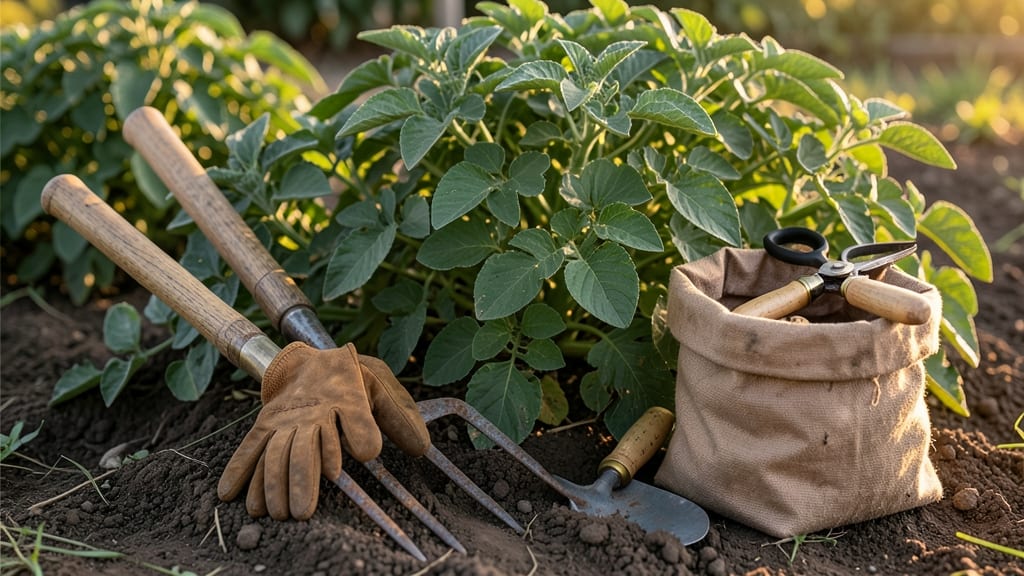
Harvest russet potatoes when the foliage yellows and dies back, usually 70–120 days after planting—timing it right ensures tender, flavorful tubers instead of woody or shriveled ones.
Picture this: you’ve spent weeks tending to your 🥔 patch, and now the leaves are wilting like they’re checking out for the season. That’s your cue—digging too early means small, underdeveloped potatoes, while waiting too long risks tough skins and a bitter bite.
But here’s the catch: climate plays a huge role. In cooler zones like 6a, you might harvest as early as late summer, while warmer regions could stretch into early fall. The key is watching the plant and the soil—firm tubers the size of a golf ball are your goal.
Below, I’ll break down the exact signals to watch for, how to adjust for your region, and the one storage trick that keeps russets fresh for months. No more guesswork—just perfect timing for your harvest.
Signs russet potatoes are ready for harvest: foliage, soil, and tubers
Harvesting russet potatoes at the right time ensures maximum flavor and texture. Unlike other varieties, russets develop a thick, papery skin and deep, earthy taste when fully mature. The key is watching for three critical signs: foliage changes, soil conditions, and tuber firmness.
Ignoring these cues can lead to underdeveloped tubers or overmature, shriveled potatoes.
Start by examining your potato plant foliage. When the leaves begin turning yellow or brown and start to wilt or die back, it’s a strong signal that the tubers below are ready.
This process, called senescence, typically occurs 2-3 weeks before the potatoes reach peak flavor. Russets, in particular, benefit from this natural drying process, which enhances their dry, flaky texture.
Next, check the soil conditions around your plants. Gently scratch the top 2-3 inches of soil with your fingers or a small trowel.
If the soil is dry and crumbly, it’s a good sign the tubers have stopped growing and are ready for harvest. Moist, sticky soil suggests the potatoes are still developing, and harvesting too soon will leave you with small, underdeveloped spuds.
Finally, test the tubers themselves for firmness. Use your thumbnail to press lightly into a tuber’s skin. If the skin resists pressure and doesn’t dent easily, the potato is ready.
For russets, aim for tubers that are 2-3 inches in diameter. Smaller tubers are best for new potatoes, while larger ones are ideal for storage and baking.
For russet potatoes, timing is everything. If you harvest too early, the tubers will be small and watery, lacking the rich flavor russets are known for. Conversely, leaving them too long in the ground can result in shriveled, tough potatoes with a bitter taste.
A good rule of thumb is to harvest russets 70-120 days after planting, depending on your climate zone and variety.
One russet-specific tip is to wait until the stem ends turn brown and dry before digging. This indicates the tubers have fully matured and developed their signature thick skin.
If the stem end remains green, it’s a sign of solanine buildup, a toxin that makes potatoes toxic when consumed. Always cut off any green parts before storing or cooking.
When you’re ready to harvest, use a garden fork or shovel to gently loosen the soil around the plant. Lift the tubers carefully to avoid bruising or cutting. Russets are particularly prone to damage, so handle them with care.
Once harvested, let them cure in a dark, dry place for a few days to toughen their skins further, which improves storage life.
Don’t forget to replant your potato patch after harvest! Russets grow best in loose, well-draining soil rich in organic matter. Amending your soil with compost or aged manure before replanting next season will give your russets the best start for another bountiful harvest.
Best harvest timing for russet potatoes: seasonal guide by climate zone
Timing your russet potato harvest depends heavily on your climate zone and the specific variety you're growing. Cool-season regions like USDA Zones 3-6 typically harvest earlier than warm climates in Zones 7-10.
Early varieties like Yukon Gold may be ready in just 70-90 days, while late varieties like Idaho Russet can take up to 120 days—knowing these ranges helps avoid over- or under-maturing your crop.
In cooler climates, russets often reach harvest readiness when daytime temperatures drop below 75°F and nights dip to 50-60°F. This usually occurs in late summer to early fall, often around August-September.
Meanwhile, gardeners in warmer zones should plan for harvests during spring or fall to escape peak summer heat, which can stress plants and lead to green, toxic tubers.
- 1 Cool Zones (3-6): Harvest late August-September when foliage yellows and soil temps drop below 70°F. Early varieties can be ready as early as 70 days after planting.
- 2 Warm Zones (7-10): Aim for spring (March-April) or fall (October-November) harvests. Avoid summer heat, which causes green, bitter tubers due to solanine buildup.
- 3 Early Varieties: Harvest when tubers are 2-3 inches wide and skin resists pressure. This often occurs 10-14 days before full maturity to avoid tough flesh.
- 4 Late Varieties: Wait until foliage fully dies back (typically 100-120 days after planting). Tubers will be larger but may have thinner skins—handle with care.
- 5 Adjust for Weather: If a heatwave or frost is forecasted, harvest 2-3 days early. Russets store better if dug before extreme conditions stress the plant.
For new potatoes, you can start harvesting as early as 50-60 days after planting, even if the plant isn’t fully mature. Simply dig around the base of the plant and look for finger-sized tubers with firm skins.
These are perfect for quick cooking but won’t store as long as fully mature russets. I like to check for new potatoes every 10-14 days starting around day 50 to ensure I don’t miss the window.
In short-season climates (like Zone 4 or higher elevations), prioritize early-maturing varieties like Red LaSoda or Kennebec. These can be planted as soon as the soil is workable in early spring and harvested before the first frost.
If you’re in a longer growing season, like Zone 8-10, consider planting a fall crop for a second harvest in late autumn.
Pro tip: Keep a harvest journal to track when your russets mature each year. Note the planting date, variety, and harvest timing. Over time, you’ll spot patterns based on your microclimate—like how a south-facing hill might warm up faster than a north-facing garden bed.
This helps you fine-tune your schedule for future seasons!