
How To
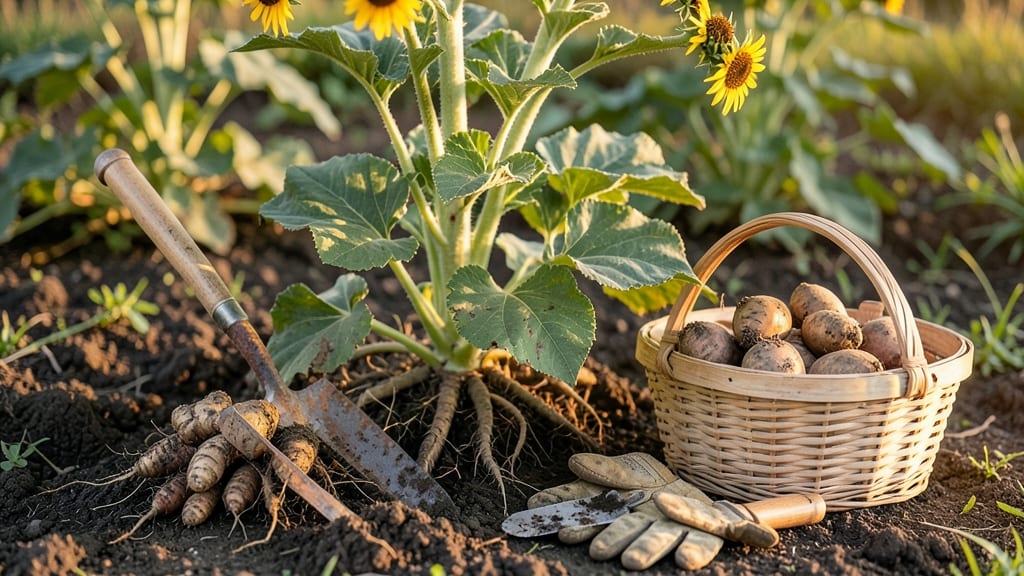
Harvesting sunchokes at the right time ensures their tubers stay sweet and crisp, not woody or bitter.
Picture this: your 🌱 sunchokes are thriving in your garden, but you’re not sure whether to dig them now or wait. Too early, and you’ll get small, underdeveloped tubers. Too late, and they’ll turn tough and lose their delicious flavor.
The key is knowing when the foliage starts yellowing and the tubers reach 2-4 inches in size—signs they’re ready for harvest.
In USDA Zone 6a, like many gardeners, timing matters most in late summer to early fall. If you wait until the first frost, the tubers will survive but may develop a slightly earthy taste.
The sweet spot? When the leaves begin to die back naturally, signaling the tubers are at peak flavor.
Below, I’ll walk you through how to check tuber size without damaging the plant, what to look for in the foliage, and how to store your harvest so it stays fresh for months. No more guesswork—just perfect, delicious sunchokes every time.
How to determine sunchoke tuber size for perfect harvest timing
Harvesting sunchokes at the right tuber size is key to unlocking their sweetest flavor. Aim for tubers between 1 to 3 inches in diameter—the ideal window for peak taste and texture.
Smaller tubers (under 1 inch) are often woody and bitter, while oversized ones (over 3 inches) can become fibrous and tough, ruining the eating experience.
Checking tuber size without damaging your plants is easier than you think. Gently brush away soil from the base of the plant using your hands or a small trowel. Look for tubers that feel firm and round—this is your cue that they’re ready.
Avoid using sharp tools near the tubers to prevent cuts that invite rot. A visual inspection every 2-3 weeks in late summer helps track growth progress.
Seasonal timing plays a huge role in tuber development. In warmer climates (Zones 8-10), sunchokes grow year-round, but the best harvest window is still late summer to early fall.
In cooler regions (Zones 3-7), focus on harvesting before the first frost—typically between September and October—when tubers have reached maturity but haven’t yet started converting starches into inulin, which can make them taste bitter.
Here’s a quick trick: Pull back foliage to peek at the soil surface. If you spot tubers poking through or see brown, rough skin, they’re nearly ready.
This method lets you monitor progress without digging up the entire plant. Patience is key—rushing the harvest can leave you with undersized, flavorless tubers.
For an early harvest, you can dig up a few tubers when they reach 1 inch in diameter—ideal for smaller meals or sharing with neighbors. This method lets you extend the harvest season by leaving other plants to mature further.
Just remember, early-picked tubers won’t store as long as fully mature ones, so use them within 1-2 weeks or plan to cook them immediately.
If you’re in a short growing season, prioritize harvesting tubers that are at least 1.5 inches in diameter before the first frost. Cold temperatures can trigger tuber starch conversion, turning them bitter and less palatable.
In these cases, focus on larger tubers first—they’ll have the best flavor and store better over winter.
One common mistake is assuming all tubers on a plant mature at the same rate. In reality, larger tubers develop faster than smaller ones, so check multiple spots around the plant.
If you notice uneven growth, dig deeper near the plant’s base where the soil is richer. This area often yields the biggest, most flavorful tubers.
After harvesting, let tubers cure for 24 hours in a dry, shaded spot before storing. This step removes excess moisture and helps prevent rot. Store cured tubers in a cool, dark place (like a root cellar or basement) where temperatures stay between 35-40°F.
Proper storage can keep them fresh for up to 6 months, ensuring you enjoy their nutty flavor long after the harvest season ends.
For gardeners in warmer climates, you can experiment with a fall and spring harvest. Tubers left in the ground over winter often shrink slightly but remain edible. However, their flavor may be less sweet due to starch changes.
If you choose this route, harvest in early spring (March-April) before new foliage emerges to avoid competing with next year’s growth.
Remember, the soil type also affects tuber size. Sandy soils produce smaller, faster-maturing tubers, while loamy or clay-rich soils encourage larger, slower-growing tubers. Amend your soil with compost or aged manure before planting to create the ideal growing conditions for bigger, sweeter harvests.
Foliage and seasonal clues for harvesting sunchokes at peak flavor
Your sunchokes send clear signals when it's time to harvest, but many gardeners miss them. The foliage is your first clue—healthy green leaves mean the tubers aren’t ready yet. Instead, watch for yellowing leaves and stem dieback, which indicate the plant is redirecting energy to the tubers.
This natural process happens in late summer, typically 6-8 weeks before your first frost in USDA Zone 6a.
Don’t confuse natural dieback with disease—healthy sunchokes will yellow evenly across the plant. If only some leaves wilt, it’s likely a pest or fungal issue. For peak flavor, harvest when 50-75% of the foliage has turned yellow, not when it’s completely brown and crispy.
This timing ensures your tubers are fully developed but still tender.
Seasonal timing is everything. In cooler climates like mine, I harvest in September or early October when nights grow chilly. If you live in a warmer zone, aim for late August to September—the key is avoiding frost, which can make tubers tough.
Pro tip: Mark your calendar 6-8 weeks before your first frost and start checking foliage then.
If you wait until the foliage is completely dead or after a hard frost, your sunchokes will develop a woody texture and lose sweetness. The ideal window is when leaves are 50-75% yellow—dig then for the best flavor.
Spring harvesting is also an option if you missed the fall window. In early spring, before new growth appears, the tubers will be smaller but sweeter. Dig carefully to avoid damaging the crown, which can reduce next year’s yield.
For a spring harvest, aim for March or April in Zone 6a, but tubers won’t be as large as fall-harvested ones.
One trick I use is the gentle tug test. When tubers are ready, they’ll pop out of the soil easily with a slight pull. If they resist, wait another week.
Over-mature tubers (larger than 4 inches) become fibrous and less flavorful, so don’t delay if the foliage signals readiness. Harvesting at the right time means the difference between a crisp, nutty tuber and a tough, bland one.
Remember, seasonal cues are your best guide. Pay attention to your local climate—warmer zones may need an earlier harvest, while cooler areas can wait until late fall. The goal is to beat the frost while the tubers are still at their peak. With these clues, you’ll never guess wrong again!