
Flowers
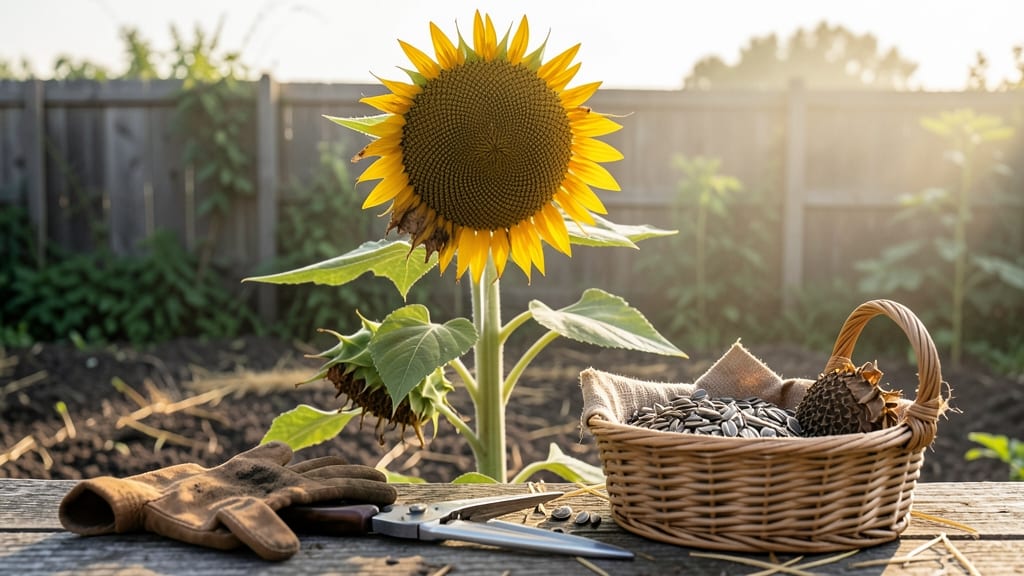
Harvesting sunflowers at the right time means the difference between crisp, flavorful seeds and bitter, shriveled ones — and it all starts with watching for these three key signs.
Picture this: you’ve spent all summer nurturing your 🌻 sunflowers, and now the moment of truth arrives. But how do you know when those seeds are finally ready?
Waiting too long means birds will snatch them first, while harvesting too early leaves you with soft, underdeveloped seeds that won’t store well. The secret lies in the stem color, seed firmness, and even the way the petals behave.
Most sunflowers reach peak harvest readiness between July and September, depending on your variety and climate. The back of the flower head should turn a rich, dry brown, and the petals will wilt and drop away like pages from an old book.
If you press your thumb against a seed, it should feel firm and snap easily when you bend the stem—those are the universal cues that say, "It’s time."
In this guide, I’ll walk you through the exact visual and tactile clues to harvest sunflowers at their prime, whether you’re saving seeds for next year’s garden or roasting them for a snack.
You’ll also learn how to avoid common mistakes that ruin entire batches—and how to store your harvest for months to come.
How to tell when sunflowers are ready by stem color & seed stage
Harvesting sunflowers at the right time ensures crisp seeds and maximum yield. The key is watching for three visual cues: stem color changes, seed head firmness, and the classic "paperback" test. These signs work for both edible varieties like Mammoth and ornamental types such as Teddy Bear.
Timing varies by variety—some mature in 50 days, while others take 120 days—so check your seed packet for guidance.
First, focus on the stem color. Young sunflowers have bright green stems, but as they mature, the stem near the base turns brown and woody. This change signals the plant is redirecting energy to seed development.
For dwarf varieties, this happens around 70 days after planting, while tall varieties may take up to 100 days. Don’t wait until the entire stem is brown—harvest when 50% of the stem shows this color shift.
Next, examine the seed head. The back of the flower head should turn from green to yellow-brown and feel dry and papery when touched. Run your thumb along the seed head’s underside—if it feels like the pages of an old book (the "paperback" test), it’s ready.
For oil-type sunflowers, wait until the seeds are fully brown inside the head, while confectionery types (like those for snacking) should have plump, white seeds visible through the back.
| Stage | Stem Color | Seed Head | Petals | Harvest Time |
|---|---|---|---|---|
| Early Bloom | Bright green | Green, moist | Fully open | Not ready |
| Mid-Maturity | Green with brown base | Yellowing edges | Drooping | Monitor daily |
| Peak Harvest | 50% brown | Papery, crisp | Wilted | Harvest now |
| Overripe | Fully brown | Dry, brittle | Fallen | Too late |
For dwarf varieties like 'Teddy Bear' or 'Moulin Rouge,' harvest when the flower head is fully brown but before the petals fall off. These types mature faster (60-80 days) and are perfect for cut flowers or bird feeders.
If you’re growing giant varieties like 'Russian Giant,' wait until the seed head is fully brown and dry—this can take up to 120 days. Use a sharp knife or pruners to cut the stem, leaving 6 inches of stalk attached for drying.
One trick I swear by is the "seed test". Gently squeeze a seed from the center of the head. If it’s firm and white (for confectionery types) or hard and brown (for oil types), it’s ready.
If the seed is soft or green, wait 3-5 more days. This test works best in the morning when seeds are cool and crisp. Avoid harvesting after rain or dew, as moisture can spoil seeds during drying.
Don’t forget about weather conditions. Harvest on a dry, sunny day to prevent mold. If rain is forecasted, pick the sunflowers early and dry them indoors immediately.
For large varieties, you may need to support the stem with a trellis or stake to prevent it from snapping under the weight of the seed head. Once harvested, hang the sunflowers upside down in a well-ventilated area for 1-2 weeks to fully dry.
Pro tip: If you’re growing sunflowers for seeds to replant, wait until the seed head is fully brown and dry—this ensures maximum viability.
For edible seeds, harvest when the back of the head is papery and brown, but before birds or squirrels get to them first. Place a bird netting over the heads if you’re worried about wildlife.
Timing is everything with sunflowers. Harvest too early, and you’ll get soft, underdeveloped seeds. Wait too long, and the seeds may shrink or sprout in the head.
By mastering these three key signs—stem color, seed head firmness, and the paperback test—you’ll always know when your sunflowers are at their peak. Happy harvesting! 🌻
5 Critical mistakes that ruin sunflower harvests (and how to avoid them)
Harvesting sunflowers at the wrong time can turn your hard work into disappointment—whether it’s soft, underdeveloped seeds or bird-snacked blooms left in the field. I’ve seen gardeners lose entire harvests by making these common mistakes, and I’m here to help you avoid them.
The key is understanding the maturity signs and acting at the right moment, especially since oil-type sunflowers and confectionery varieties have different harvest windows.
First, let’s tackle the biggest mistake: waiting too long. If you delay harvesting past the ideal window, you risk attracting birds, squirrels, and other wildlife that will strip your seeds before you can.
In my Zone 6a garden, I’ve lost entire rows to hungry critters because I didn’t harvest in time.
The back of the flower head should turn a dry, papery brown, and the petals should wilt and fall away—if you see green seeds or moist centers, it’s not ready yet.
⚠️ callout warning
Birds and squirrels can devour 50%+ of your seeds in just 24 hours if left unharvested. Confectionery sunflowers (like 'Moulin Rouge') ripen 2-3 weeks earlier than oil types ('Sunflower Oil Hybrid'). Check seeds with the thumb test: press a seed—if it’s firm and cracks easily, it’s ready!
🌾 Pro Tip: Harvest oil-type sunflowers when the back turns golden-brown and the petals droop. Confectionery types are ready when the seed head feels dry and crisp.
Another critical error is harvesting too early, which leads to soft, shriveled seeds that won’t store well. I once picked a batch of sunflowers because the petals were drooping, only to find the seeds were still green and moist inside.
Always test a few seeds by pressing your thumb against the back of the flower head—if it feels dry and papery, it’s time. For confectionery varieties, the seeds should also pop easily when cracked open.
Ignoring weather conditions is another silent harvest killer. Rain or high humidity right before harvest can cause mold or rot in your seeds. I learned this the hard way when a late-summer storm ruined a batch of sunflowers I’d planned to harvest.
If rain is forecasted, harvest 2-3 days early and dry the heads indoors. Always harvest on a dry, sunny morning to ensure the best results.
For climate zone adjustments, timing varies significantly. In warmer zones (8-10), sunflowers may mature 4-6 weeks earlier than in cooler zones (4-6). For example, in Zone 9, I harvest by late July, while in Zone 5, I wait until early September.
Keep a planting journal to track your local maturity timeline—this helps you plan for next year’s harvest.
Finally, not drying seeds properly after harvest is a common oversight. Even if you pick at the perfect time, seeds left in damp conditions will mold or sprout prematurely.
After cutting the stems, hang the heads upside-down in a well-ventilated, dry place (like a garage or shed) for 2-3 weeks. Once fully dry, rub the seeds free by hand or use a mesh bag to shake them out.
Store in airtight containers in a cool, dark place for up to 6 months.
By avoiding these five critical mistakes, you’ll ensure a bountiful, high-quality harvest every season. Next time, I’ll share my foolproof post-harvest drying and storage methods to keep your seeds fresh for months—don’t miss it!