
How To
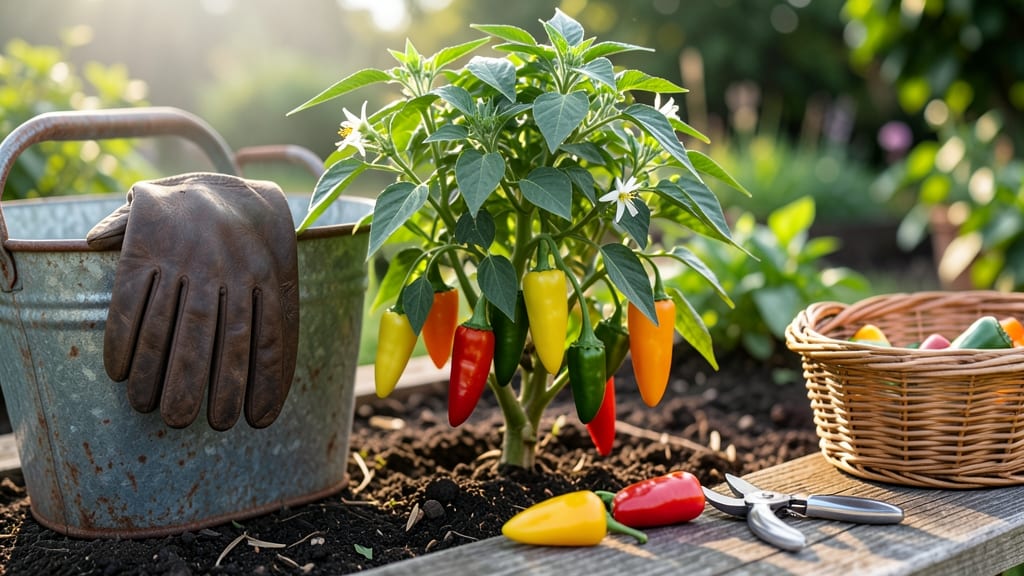
Harvest sweet banana peppers when they reach 2–3 inches and show a color shift from green to yellow or orange 🌶️ — timing this window is the key to unlocking their signature sweetness.
Sweet banana peppers are a gardener’s treasure—crisp, mild, and packed with flavor—but harvesting them too early or too late can ruin their delicious potential.
Most gardeners wait until late summer, but the real secret is checking daily for the right cues: firmness, size, and that telltale color change. Miss these signs, and you might end up with peppers that are either too hard or too soft for the best taste.
Below, I’ll walk you through the exact maturity indicators, seasonal timing tips, and how to store your harvest so it stays fresh longer. No more guesswork—just peak-flavor peppers every time.
Banana pepper color stages: what each hue means for flavor and harvest time
Sweet banana peppers undergo a fascinating color transformation that directly impacts their flavor and heat levels. Understanding these color stages helps you determine the perfect harvest window for maximum sweetness. Most varieties start bright green and progress through yellow to vibrant orange or red, each phase offering unique taste profiles.
The journey from green to yellow marks the transition from immature to semi-ripe. Green peppers are crisp but underdeveloped, lacking the full sweetness potential. As they turn yellow, their sugar content begins building, creating that signature mild, fruity flavor gardeners love.
This stage typically occurs 70-80 days after transplanting, depending on your climate.
| Color Stage | Flavor Profile | Heat Level | Harvest Time |
|---|---|---|---|
| Bright Green | Crisp, tart, underripe | Mild (0-500 SHU) | Not ideal (too early) |
| Yellow | Sweet, mild, balanced | Low (500-1000 SHU) | Prime harvest window |
| Orange/Red | Fruity, slightly tangy | Very low (0-500 SHU) | Still good, but risk overripe |
The yellow stage represents peak harvest time for most gardeners. At this point, banana peppers achieve their signature mild sweetness with minimal heat. They're firm to the touch but yield slightly when gently squeezed—a key indicator of ripeness.
This is when their sugar content peaks, making them perfect for fresh eating, stuffing, or pickling.
As peppers mature further into orange or red, their flavor becomes more complex but slightly tangy. While still edible, they risk becoming overripe if left too long. The skin may soften, and the flesh can develop a slightly mealy texture.
Some gardeners prefer this stage for fermenting or cooking, but for fresh use, yellow is ideal. Always check for stem separation—a clean break means it's ready.
Climate plays a crucial role in color progression. In hotter regions, peppers may ripen faster, moving from green to yellow in just 2-3 weeks. Cooler climates slow this process, so expect a more gradual transition.
Pay attention to your local last frost date—peppers need consistent warmth to develop color properly. If temperatures drop below 60°F, growth halts, delaying ripening.
One common mistake is harvesting based solely on color. Some green banana peppers (like the 'Green Zebra' variety) stay green but still reach maturity. Always combine color cues with size and firmness.
A ripe pepper should be 2-4 inches long, firm, and slightly soft when pressed. If it feels rock-hard, it's underripe; if it's mushy, it's past its prime.
Pro tip: Use a small knife or pruners to harvest, cutting the stem just above the pepper. This encourages more fruit to develop. Avoid pulling peppers directly from the plant, which can damage the stem.
Store harvested peppers in a cool, dark place (50-55°F) to slow ripening. They'll keep for 1-2 weeks this way, but for longer storage, freeze them whole or slice them for future recipes.
Remember that sweetness peaks at yellow, but don't dismiss orange/red peppers entirely. They offer a different flavor profile that some gardeners adore. The key is to harvest regularly—this encourages continuous production and prevents overripening.
With practice, you'll develop an eye for the perfect color and texture that makes your banana peppers irresistibly delicious. 🌶️
Size and texture guide: how big should sweet banana peppers be before picking?
Sweet banana peppers reach their peak sweetness and crisp texture when harvested at the right size. Unlike their hotter cousins, these peppers are best picked when they measure between 2 to 4 inches long. This size range ensures they're fully developed but haven't lost their tender quality.
For sweet banana peppers, the ideal harvest window is when they're firm yet slightly yielding to gentle pressure. Think of it like squeezing a ripe avocado - just enough give without being mushy. This texture test helps you avoid both underripe (hard, bitter) and overripe (leathery, less flavorful) peppers.
⚠️ callout-warning ⚠️
Harvesting too early? Your peppers will be hard and bitter. Waiting too long? They'll become leathery and tough. The 2-4 inch rule is your best guide, but always combine size with the finger pressure test for perfect timing.
🌱 Pro Tip: Check your plants every 2-3 days during peak production (July-August) to catch peppers at their sweetest!
When peppers reach 3 inches, they typically offer the best balance of sweetness and crunch. At this stage, their walls are thick enough for slicing but still tender.
For storage or cooking, you can let them grow slightly larger (up to 4 inches), though they may develop slightly thicker skins.
Pay attention to the stem's readiness too. A properly ripe pepper will have a stem that snaps cleanly when you gently twist it. This indicates the pepper is fully mature and ready for harvest. If the stem resists, it's not quite time yet.
For continuous harvests, pick peppers regularly to encourage more production. Unlike some pepper varieties, sweet banana peppers won't ripen further after picking, so timing is everything. The earlier you harvest within the 2-4 inch range, the sweeter and crisper they'll be.
Remember that color changes (from green to yellow/orange) happen after the pepper reaches harvest size. These color shifts indicate ripening but don't affect the sweetness - that's all about size and texture. Save those colorful peppers for visual appeal in dishes!