
Vegetables
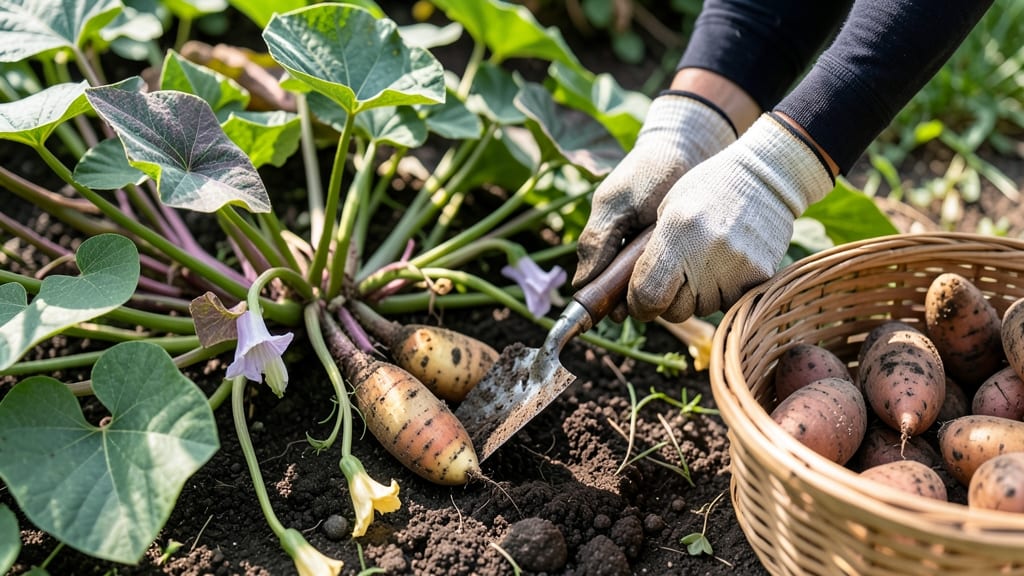
Harvesting sweet potatoes in Florida happens when vines yellow and die back naturally 🍠 — usually between October and December, with November being the peak month.
Picture this: you’ve spent months nurturing your sweet potatoes, and now the vines are wilting faster than a summer afternoon. That’s your cue—they’re ready to dig! But timing is everything in Florida’s frost-free climate, where tubers can overstay their welcome in the ground.
Most gardeners in USDA zones 9a-11 wait until the foliage turns brown and crispy, signaling the tubers have reached peak sweetness. Too early, and you’ll end up with small, underdeveloped potatoes; too late, and they’ll shrivel or rot in the humid soil.
Below, I’ll break down the exact signs to watch for, regional differences across Florida, and how to handle your harvest like a pro—so you’re left with a bounty of sweet, flavorful tubers instead of missed opportunities.
How to tell when sweet potatoes are ready for harvest in Florida’s climate
Florida’s frost-free growing season gives sweet potatoes a long, sweet window to mature—but knowing exactly when to harvest can make the difference between peak flavor and wasted effort.
Unlike northern climates, Florida’s consistent warmth means no frost to signal harvest time, so you’ll need to watch for plant behavior and soil cues instead. The key is catching tubers at 120-150 days when they’ve reached ideal size but before vines completely die back.
In Florida, harvest timing varies slightly by region due to temperature differences. North Florida’s cooler winters may push harvests toward late October to November, while South Florida’s heat can extend the window until December or even January in some microclimates.
Central Florida typically aligns with November harvests, when daytime highs drop into the 70s°F and nights cool slightly—perfect conditions for sweet potato maturation.
Don’t miss these 3 critical signs your sweet potatoes are ready: yellowing vines, toughened skin, and tuber size between 2-4 inches. Waiting too long risks shrunken, woody tubers, while harvesting too early means small, underdeveloped roots. Florida’s humidity also means you’ll need to act quickly once you see these cues—rainy seasons can rot tubers in the ground if left unharvested.
| Region | Ideal Harvest Window | Key Cues | Soil Temp Trigger | Days to Maturity |
|---|---|---|---|---|
| North Florida (Panhandle) | Late October - November | Vines yellow by 60%, skin toughens | 65-75°F (soil cools slightly) | 120-140 days |
| Central Florida (Orlando/Tampa) | Mid-November - December | 70% vine dieback, brown stem ends | 70-80°F (stable warmth) | 130-150 days |
| South Florida (Miami/Keys) | December - Early January | Slow vine yellowing, skin resists fingernail | 75-85°F (consistent heat) | 140-160 days |
🌡️ Pro Tip: Use a soil thermometer—ideal harvest temps are 65-80°F depending on region.
One of the most reliable harvest indicators is the vine dieback pattern.
In Florida, you’ll see vines start yellowing at the edges and working inward—this is called senescence, nature’s way of telling you it’s time to dig. Don’t wait for 100% dieback, though; by then, tubers may have started shrinking.
Instead, aim for 50-70% vine yellowing, combined with toughened skin that resists your fingernail when pressed.
For maximum sweetness, harvest when tubers reach 2-4 inches in diameter. Smaller than 2 inches means underdeveloped flavor, while larger tubers often become woody and stringy.
Florida’s sandy soils can make sizing harder to judge, so dig up 1-2 test tubers a week before your expected harvest date to check size and flavor. If they’re still small or taste bland, give them another week.
Another Florida-specific challenge is the hurricane season overlap with harvest time. If a storm is forecast during your harvest window, dig up tubers immediately—even if they’re not perfectly sized—to avoid waterlogged soil or physical damage from debris.
Cure harvested tubers indoors in warm, humid conditions (80-85°F, 80% humidity) for 5-10 days to develop sweetness, regardless of harvest timing.
Pay attention to soil temperature trends, not just calendar dates. When daytime highs drop into the mid-70s°F and nighttime lows approach 60°F, sweet potatoes signal harvest readiness.
In South Florida, this might not happen until December, while North Florida gardeners may see it as early as late October. Use a soil thermometer to track these shifts—65°F soil temps are your sweet spot for ideal harvest conditions.
If you’re growing heirloom varieties like Georgia Jet or Beauregard, expect slightly earlier harvests (around 120 days) compared to Porto Rico types, which can take up to 150 days.
Florida’s long growing season lets you stagger plantings for continuous harvests—just space plantings 2-3 weeks apart starting in March to ensure a steady supply through December.
Finally, avoid harvesting after heavy rains—wet soil makes tubers prone to rotting and disease.
If you must harvest after rain, wait 2-3 days for the soil to dry out, or use a garden fork to gently loosen tubers without disturbing the soil too much. Early morning harvests are ideal in Florida’s heat, as tub
Step-by-step harvesting guide: from digging to curing sweet potatoes
Now that you’ve spotted those telltale signs your sweet potatoes are ready, it’s time to harvest them properly to preserve their flavor and storage life. Florida’s humid climate means you’ll need to act quickly once the vines start dying back.
The key is gentle handling—rough treatment bruises tubers, inviting rot during storage. I’ll walk you through every step, from digging to curing, so you can enjoy sweet, homegrown sweet potatoes all winter long.
Before you begin, gather your tools: a fork or spade, gloves, a sharp knife, and a clean bucket. Work on a dry day to avoid muddy tubers, which can harbor disease.
Florida’s sandy soil makes digging easier than in heavier soils, but take care not to pierce the tubers. Now, let’s get started with the exact steps to harvest and cure your sweet potatoes like a pro.
Wait for Morning Harvest
Dig up sweet potatoes in the early morning when soil is cool. This reduces stress on the tubers and prevents them from sweating in Florida’s heat. Avoid harvesting after rain—wet soil sticks to tubers, increasing rot risk during curing.
Gently Loosen Soil
Use a fork or spade to loosen soil around the plant’s base, working outward in a 12-inch radius. Sweet potatoes grow in all directions, so avoid stabbing downward to prevent punctures. Florida’s loose soil makes this easier than in compacted northern regions.
Lift Tubers Carefully
Grasp the vine stems and lift the entire plant to expose hidden tubers. Shake off excess soil, but don’t scrub—this removes the protective skin. Place tubers in a shaded, well-ventilated area (like a garage or porch) for 2–3 hours to dry before handling.
Trim and Cure
Use a sharp knife to trim vines to ½-inch stubs, leaving the tuber’s stem end intact. This prevents disease entry.
Florida’s high humidity demands a warm, humid curing environment: set tubers in a single layer on a screen or rack in a 80–85°F space with 80–90% humidity for 5–10 days.
Store Properly
After curing, store tubers in a cool (55–60°F), dark, dry place with good airflow. Florida’s lack of frost means you can store them year-round, but check monthly for soft spots. Avoid refrigerating—cold converts starches to sugar, making them taste bland.
Florida’s humid climate can make curing tricky, so monitor your curing space closely. If humidity drops below 80%, cover tubers lightly with a damp cloth. The curing process thickens the skin and develops sweetness—don’t skip it!
Once cured, your sweet potatoes should keep for 4–6 months with proper storage, giving you a steady supply through Florida’s cooler months.
Pro tip: Save a few tubers to replant next spring. Choose the largest, healthiest ones and store them separately in a cool, dark spot. By following these steps, you’ll avoid common mistakes like harvesting too early or skipping curing, both of which ruin flavor and storage life.
Now you’re ready to enjoy your homegrown sweet potatoes at their peak!